
My name is Jaap, and I am a biomedical scientist that also used to live with severe Hidradenitis Suppurativa, the kind that takes over your life. Today, I am completely asymptomatic because I learned how to heal Hidradenitis Suppurativa from within. More importantly, I’ve had the privilege of helping many other individuals with HS get their lives back too.
A Proven natural Roadmap to Manage HS
Get the support and natural strategies you need for lasting relief and join a community that understands.

“It’s Mutilation”: Why HS Surgery Isn’t the Holy Grail
If you’ve lived with severe Hidradenitis Suppurativa, you know the desperation.
You know the point where you would do anything to stop the pain, the drainage, and the smell. The point where the idea of drastic measures doesn’t sound drastic at all, it sounds like a relief. For many with late-stage, tunneled disease (Hurley Stage III), that drastic measure is often hidradenitis suppurativa surgery.
But is it a cure? Or is it just the most extreme downstream solution we have?
A new case report from Tanzania gives us a powerful, and frankly jarring, look into this exact question. It’s a story of a patient’s suffering and a medical team’s solution in a resource-limited setting. And while we must thank the authors for their work, the report is almost more important for what it’s missing.
It’s a perfect example of how conventional medicine, even with the best intentions, continues to focus on removing the diseased tissue instead of asking the one question that matters: why did the tissue become diseased in the first place?
Today, we’re going to break down this case study. We’ll look at what they did, why they did it, and why it’s almost sickening that the real root causes (which are not known by conventional medicine) were completely ignored. This is the key to understanding how to treat Hidradenitis Suppurativa for lasting remission.
A Proven natural Roadmap to Manage HS
Get the support and natural strategies you need for lasting relief and join a community that understands.

The Case: A 37-Year-Old Man at a Breaking Point
In a 2025 paper from Clinical Case Reports, Dr. Nelson Mosha and his colleagues at the Kilimanjaro Christian Medical Centre in Tanzania present a powerful case [1].
Their patient was a 37-year-old man with a 2-year history of severe, bilateral axillary (armpit) HS. He was at Hurley Stage III, the most advanced stage, with extensive, painful, and foul-smelling discharging sinuses and scarring. His quality of life was, as you can imagine, in ruins.
For two years, he had been on the conventional medical merry-go-round: topical antibiotics, systemic antibiotics, and intralesional steroids. Nothing worked.
Now, here is the most important part of the entire report. The “upstream” factors:
- The patient was morbidly obese, with a BMI of 35.
- He had a history of type 2 diabetes mellitus.
- His lab work showed elevated total cholesterol and serum triglycerides.
This patient is the textbook definition of someone with a profound, systemic metabolic disorder. And as a growing mountain of research confirms, metabolic syndrome and insulin dysregulation are not just associated with HS; they are core drivers of the systemic inflammation that causes it [2]. We have discussed this before in other blog posts in detail.
The “Solution”: Wide Excision Surgery
The medical team, facing failed medical treatments and limited resources (no access to biologics), recommended the only option left: aggressive surgery.
The patient underwent a “wide local excision” under general anesthesia. This is not a small procedure. This is the surgical removal of the entire affected area, all the skin, the tunnels, and the subcutaneous tissue, down to the muscle fascia.
This is what that looks like.
A Proven natural Roadmap to Manage HS
Get the support and natural strategies you need for lasting relief and join a community that understands.
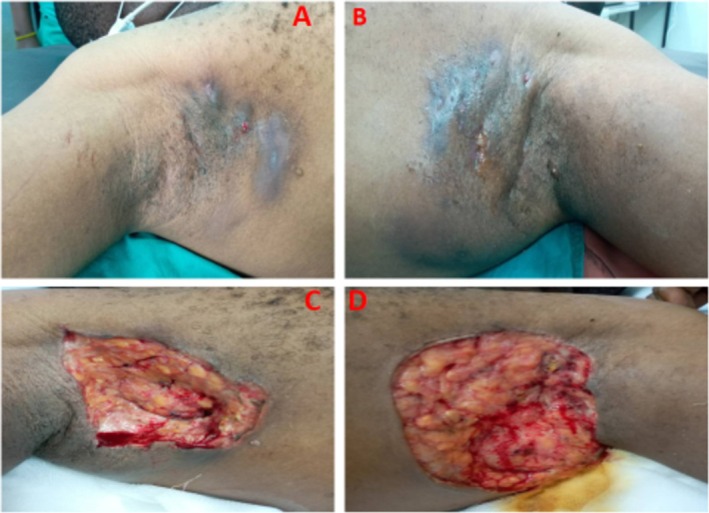
Figure 1 By Dr. Nelson Mosha and his colleagues:
- Figure by: Dr. Nelson Mosha and colleagues [1].
- (A, B): The patient’s left and right axillae (armpits) before surgery. You can see the extensive scarring, nodules, and chronic disease of Hurley Stage III HS.
- (C, D): The results of the wide local excision. This is the open wound immediately after the surgeons removed all the affected tissue.
The wounds were then left to heal by “secondary intention,” which means they are left open to slowly fill in with new tissue from the bottom up. It is a long, difficult healing process.
The authors report a positive result: 12 months later, the patient “remains disease-free without signs of recurrence.”
Is This a “Cure”? Or Just Cutting Out the Symptom?
I want to thank Dr. Mosha and the team for their work. In a resource-limited setting, for a patient suffering so much, this intervention may have been the only way, with the knowledge they had, to give him his life back from the constant, debilitating pain. I get it. In some cases, you have to clear the battlefield.
But to call this a “long-lasting solution” or the “Holy Grail”? No. Very, very not.
Let’s look closely at the after photo, taken four weeks post-op as the wound was healing.
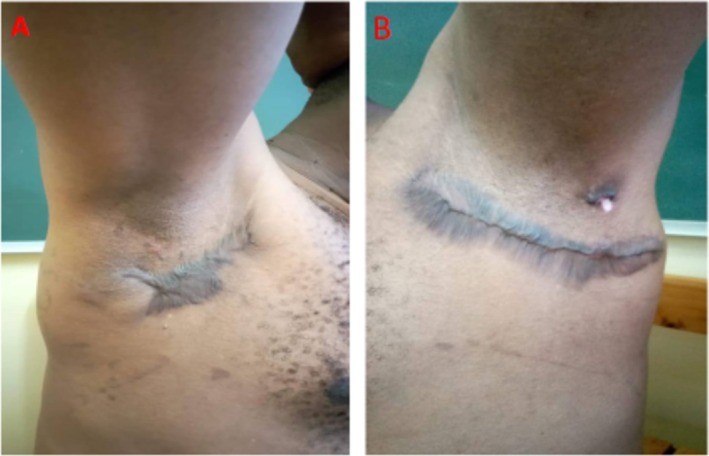
Figure 2 By Dr. Nelson Mosha and his colleagues:
- Figure by: Dr. Nelson Mosha and colleagues [1].
- (A, B): The right and left axillae 4 weeks after surgery, healing by secondary intention.
- A Closer Look (B): Look at the top of the scar line on the left axilla (B). Is that a new, small “bulb”? A new cyst? It certainly looks like one.
This is my main problem. Even in the photos meant to show success, you can see what looks like the very beginning of a new lesion.
And why wouldn’t it? Surgery didn’t resolve the problem. It just removed the diseased affected tissue!
Think of it this way: The patient’s metabolic disorder and systemic inflammation are a fire raging inside his body. That fire caused the skin in his armpits to become a warzone of abscesses and tunnels.
The surgeons didn’t put out the fire. They just removed the warzone.
The fire (the obesity, the type 2 diabetes, the high cholesterol, the insulin dysregulation) is still burning. And it is going to come back at some point, because the cause was never addressed.
This is why, as many of us know, HS so often recurs even after surgery. Research on wide excision shows that while it has a meaningful local cure rate, recurrences still happen, especially at the margins of the surgery site [4]. Why? Because the fire just spreads to the next available patch of fuel.
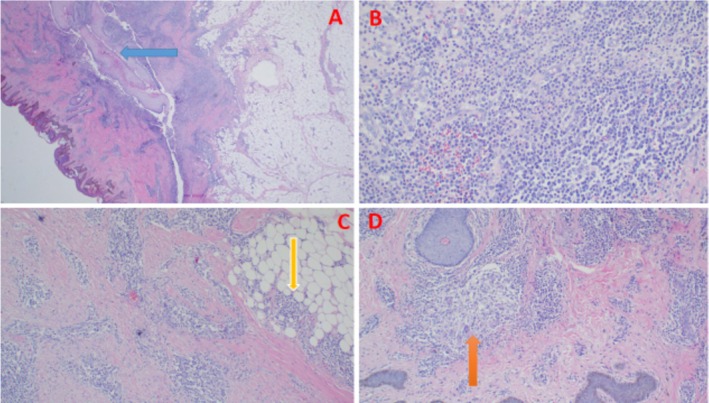
Figure 3 By Dr. Nelson Mosha and his colleagues:
- Figure by: Dr. Nelson Mosha and colleagues.
- What it shows: This is what the diseased HS tissue looks like under a microscope after it was surgically removed.
- (A) The Ruptured Tunnel: The blue arrow points to a ruptured sinus tract. This is one of the deep tunnels that defines HS, which has broken open under the skin, spilling inflammatory contents.
- (B) The Abscess: This image shows a neutrophilic abscess, a medical term for a dense, hot pocket of pus and swarming inflammatory immune cells. This is the source of the intense pain and drainage.
- (C) Deep Inflammation: The yellow arrow proves this isn’t a surface issue. It shows the inflammation has burrowed deep into the subcutaneous fat layer (the subcutis).
- (D) Scarring & Destruction: The orange arrow points to granulation tissue and giant cells. This is the body’s chaotic attempt to wall off and repair the chronic damage, which ultimately leads to the thick, ropy scars we all know.
- Key Takeaway: This is the visual proof that HS is not a superficial skin problem. It’s a deep, destructive, and structural disease that creates tunnels, abscesses, and deep scarring, all driven by a runaway immune response.
A Proven natural Roadmap to Manage HS
Get the support and natural strategies you need for lasting relief and join a community that understands.

The Sickening Knowledge Gap
I’m going to be blunt. It is almost sickening that there is a complete absence of any discussion about natural treatment of HS. Not only in this paper but almost never it is recognized in peer reviewed papers.
The patient’s root causes were funny enough even partly listed in the report. But was he put on a hidradenitis suppurativa diet? Was he given a plan to reverse his type 2 diabetes and obesity? Was he taught anything about lifestyle or root-cause healing?
No. He was given antibiotics, steroids, and then surgery.
This is the failure of the conventional model. This is the Knowledge Gap. We have strong evidence that dietary interventions, like eliminating dairy, etc., can lead to significant improvement or even full long lasting remission for many HS patients [3]. We know that addressing the metabolic fire (Layer 1: Foundational Nutrition) and the lifestyle triggers (Layer 2: Strategic Lifestyle Changes) is the only way how to treat HS for long-lasting relief.
And let’s talk about the surgery itself. Wow. It’s a mutilation.
I use that word with empathy, because I’ve been there. I’ve felt that desperation. But we have to be honest about what this is. You are permanently disfigured, trading one kind of scar for another, all because the medical model is so focused downstream that it would rather cut out a massive part of your body than teach you how to heal from the inside.
A Proven natural Roadmap to Manage HS
Get the support and natural strategies you need for lasting relief and join a community that understands.

The HS Arma Philosophy: Heal the Fire, Don’t Just Demolish the Building
This case study is the perfect illustration of the two roads for treating HS.
The Conventional Road (Downstream): You are given temporary shields like antibiotics. When they fail, you are given a more drastic shield like surgery. These shields only block or remove the symptoms. They do nothing to address the root cause, the inflammatory fire.
The HS Arma Road (Upstream): We start with the fire.
At HS Arma, we focus on highly effective, evidence-based nutrition and lifestyle changes to address the root cause. For this patient, our approach would have been clear:
- Address the Metabolic Fire (Layer 1 & 2): The primary treatment would be a nutritional and lifestyle plan to reverse his type 2 diabetes, lower his triglycerides, and manage his weight. This isn’t an add-on, this is the main event. This is what calms the systemic inflammation.
- Explain the Why: We would explain that HS is a disease of follicular occlusion, meaning the inflammation starts in the hair follicle [5]. This inflammation is being driven by his metabolic state.
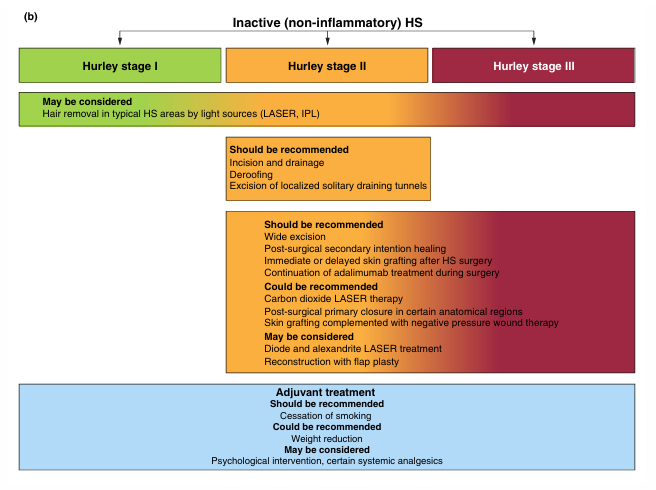
- Use Surgery as a Tool (If Needed): In a case this severe, is surgery still needed? Maybe! You may need to clear the battlefield of all that dead and tunneled tissue. But surgery becomes a tool you use in combination with the root-cause approach, not the cure itself.
If you only get the surgery but don’t change the upstream fire, the disease will simply come back. You have to heal it from the inside.
Key Takeaways
- A new case report details the successful surgical management of severe Hurley Stage III HS in a patient with no other options [1].
- The patient’s known root causes, obesity, type 2 diabetes, and high cholesterol, were noted but not treated as part of the HS management.
- The cure was a wide local excision (surgery) that removes all affected tissue, which can be a mutilating procedure.
- The after photos (Figure 3B) already show what appears to be a new cyst forming, highlighting the core problem: surgery does not stop the underlying inflammatory fire.
- True, long-lasting healing for HS requires an upstream approach that addresses the root causes of systemic inflammation and metabolic disorder, which is the core focus of the natural treatment of HS.
Can You Cure HS? Yes, But Not With a Scalpel.
This case report is powerful. It shows the courage of a patient and the skill of a surgical team. But it also shows the profound, heartbreaking blind spot of conventional medicine.
You cannot cut out a systemic, inflammatory disease.
So, can you cure HS? Yes, I believe you can achieve lasting remission. I did, and I’ve seen countless others HS patients do it.
But that permanent cure for hidradenitis suppurativa will never be found on an operating table. It’s found in the daily, dedicated work of rebuilding your health from the inside out. It’s found in putting out the inflammatory fire for good.
A Proven natural Roadmap to Manage HS
Get the support and natural strategies you need for lasting relief and join a community that understands.

References
- Mosha N, Mremi A, Mshana J, Kini LC, Mavura D, Jemec G. Management of Severe Bilateral Axillary Hidradenitis Suppurativa in a Resource-Limited Setting: A Case Report and Review of the Literature. Clinical Case Reports. 2025;13:e71176. DOI: 10.1002/cer3.71176
- Phan K, Charlton O, Smith SD. Metabolic syndrome and hidradenitis suppurativa: a systematic review and meta-analysis. Int J Dermatol. 2021;60(8):979-987. DOI: 10.1111/ijd.15249
- Dermsdorf A, Gøtestam Skorpen C, Tveit KS, Zykova S. Diet in Hidradenitis Suppurativa: A Systematic Review. J Clin Med. 2021;10(23):5593. DOI: 10.3390/jcm10235593
- Deckers IE, Dahi Y, van der Zee HH, Prens EP. Hidradenitis suppurativa treated with wide excision and second intention healing: A meaningful local cure rate after 253 procedures. J Eur Acad Dermatol Venereol. 2018;32(3):459-462. DOI: 10.1111/jdv.14770
- Goldburg SR, Strober BE, Payette MJ. Hidradenitis Suppurativa: Epidemiology, Clinical Presentation, and Pathogenesis. J Am Acad Dermatol. 2020;82(5):1045-1058. DOI: 10.1016/j.jaad.2019.08.090
Important Medical Disclaimer
1. Not Medical Advice: All content and information on this website is for informational and educational purposes only. It does not constitute medical advice and is not a substitute for professional diagnosis, treatment, or consultation with a qualified healthcare provider.
2. My Role and Qualifications: I am a biomedical scientist and PhD candidate and share information from that perspective, combined with my personal experience as a patient with Hidradenitis Suppurativa. However, I am not a medical doctor, physician, or registered healthcare professional. Do not consider our relationship a doctor-patient relationship.
3. Consult Your Doctor: Always seek the advice of your medical doctor or another qualified health professional with any questions you may have regarding a medical condition. Never disregard professional medical advice or delay seeking it because of something you have read on this website. If you suspect you are experiencing a medical emergency, or a severe infection, do not rely on this website or the HS Arma community, please call your local emergency services or go to the nearest emergency room immediately.
4. A Critical Warning on Medication: Pharmaceutical drugs are a crucial tool in managing Hidradenitis Suppurativa for many people. Under absolutely no circumstances should you ever alter, reduce, or stop taking your prescribed medication without the explicit direction of the doctor who prescribed it. Doing so can be dangerous. Always consult with your doctor before doing anything related to your treatment plan.
5. No Liability: Your use of this website and reliance on any information provided is solely at your own risk.
6. Individual Results May Vary: Every patient’s biological baseline, genetics, and adherence to the protocol is different. Therefore, I cannot guarantee specific results, cures, or timelines for your Hidradenitis Suppurativa.
7. Scientific and Expressive Freedom: The articles published on this blog are distinct from formal peer-reviewed academic literature. They serve as an independent platform for my personal viewpoints, scientific hypotheses, and philosophical reflections as an independent scientist and HS patient. While grounded in biomedical research, I exercise a degree of expressive freedom to translate rigid academic data into insights from a patient perspective. These writings are my personal meditations on the science of HS and should be read as my individual perspective, not as universally accepted clinical consensus or formal peer-reviewed literature.