
My name is Jaap, and I am a biomedical scientist that also used to live with severe Hidradenitis Suppurativa, the kind that takes over your life. Today, I am completely asymptomatic because I learned how to heal Hidradenitis Suppurativa from within. More importantly, I’ve had the privilege of helping many other individuals with HS get their lives back, too.
A Proven natural Roadmap to Manage HS
Get the support and natural strategies you need for lasting relief and join a community that understands.

Introduction: Strengthening the Autoimmune Connection
If you’re living with Hidradenitis Suppurativa (HS), the question of whether it’s an autoimmune disease has likely been a constant presence. For years, evidence has pointed in that direction – the chronic inflammation, the association with conditions like Crohn’s disease, the patterns of immune cells found in lesions. Many HS patients felt it intuitively, experiencing their bodies seemingly at war with themselves. Yet, within the medical community, the classification remained debated, partly because a key piece of genetic evidence, often seen in classic autoimmune diseases, was missing or unclear for HS.
Now, compelling new genetic research provides that missing piece, adding significant weight to the argument that HS firmly belongs within the spectrum of immune-mediated diseases. A recent scientific letter in the Journal of Investigative Dermatology by Dr. Jonas Zierer and colleagues directly links HS to the very genes governing our immune system’s self-recognition capabilities [1]. First, my deepest gratitude to Dr. Zierer, Dr. Roediger, and their team at Novartis and collaborating clinics for this important work. Their analysis doesn’t necessarily reveal HS as autoimmune for the first time, but it provides crucial genetic confirmation that addresses previous points of uncertainty and strengthens our understanding immensely.
Today, we’ll unpack this significant finding. We’ll explore what these HLA genes do, why establishing this specific genetic link for HS is so important, and how this knowledge reinforces the root-cause, natural approach to healing that we champion at HS Arma. This is about solidifying our understanding and finding clearer paths toward lasting remission.
Your Immune System’s “ID Check”: Understanding HLA Genes
Before diving into the study’s findings, let’s clarify what HLA genes are. The HLA system (Human Leukocyte Antigen) functions like your body’s cellular identification system. HLA proteins sit on cell surfaces, displaying fragments (peptides) from inside the cell. Immune cells, especially T-cells, constantly check these HLA “ID cards.” If the peptide is normal ‘self,’ the T-cell moves on. If it’s foreign (like from a virus) or a ‘self’ peptide mistakenly seen as dangerous, the T-cell triggers an immune attack [2].
A Proven natural Roadmap to Manage HS
Get the support and natural strategies you need for lasting relief and join a community that understands.

There are two main classes:
- HLA Class I (A, B, C): Found on nearly all cells, interacting primarily with CD8+ “killer” T-cells.
- HLA Class II (DR, DP, DQ): Mostly on specialized immune cells (like B-cells, macrophages) and sometimes other cells under inflammatory conditions. They interact with CD4+ “helper” T-cells, which coordinate immune responses [2].
Variations (alleles) in HLA genes are critical because they influence which peptides get displayed and how they are recognized. Specific HLA variants are strongly linked to most known autoimmune diseases, making the immune system more prone to misidentifying ‘self’ as a threat [3]. Critically, the absence of a strong HLA association in earlier, smaller HS studies was used by some researchers to argue against classifying it as a classic autoimmune disease. This study aimed to resolve that specific uncertainty.
The FinnGen Discovery: Solidifying the HS-Autoimmune Link
Dr. Zierer and his colleagues tackled this question using the large-scale FinnGen database, combined with UK Biobank data, encompassing over 1,500 HS patients and more than 860,000 controls.
Their analysis established a clear, statistically significant association between HS and genetic variants within the HLA region on chromosome 6. Specifically:
- The most strongly associated imputed HLA allele was HLA-DRB1*01:01 (a Class II gene).
- The most strongly associated Class I allele was HLA-B*35:01.
A Proven natural Roadmap to Manage HS
Get the support and natural strategies you need for lasting relief and join a community that understands.
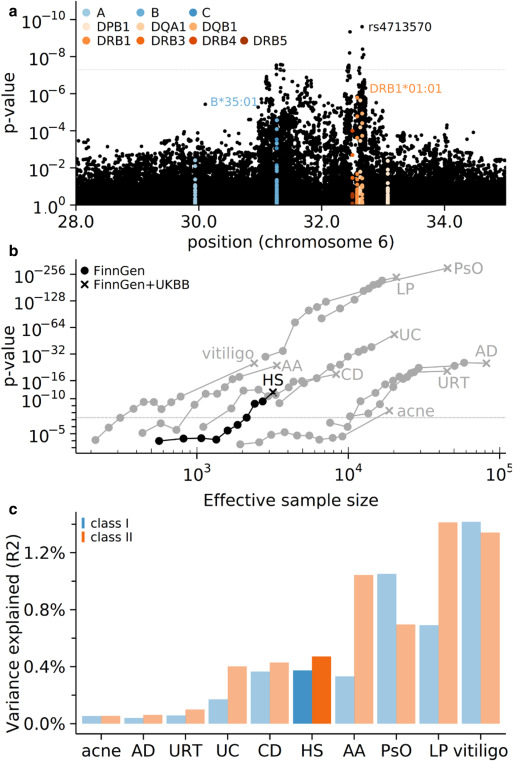
Figure 1 Legend: Genetic Association of HS to HLA. Figure by Dr. Jonas Zierer and colleagues [1].
- The Scientific Breakdown: Panel (a) is a regional plot showing the strength of association (p-value, lower is stronger) for genetic variants across the HLA region. Each dot is a variant. The highest peak hits the significance threshold. Specific imputed HLA alleles are shown as colored dots, with the strongest Class II (DRB1*01:01, orange) and Class I (B*35:01, blue) associations labeled. Panel (b) tracks the statistical significance of the HLA association for HS (black dots/line) and other diseases across increasing FinnGen sample sizes. HS clearly crosses the genome-wide significance line (dashed) as the study power increases. Panel (c) estimates how much of the disease risk (“variance explained”) is attributable to the top HLA Class I (blue) and Class II (orange) variants for various diseases.
- What This Means For You: Panel (a) is the genetic smoking gun, directly linking HS to specific HLA variants involved in immune recognition. Panel (b) shows this isn’t a fluke finding; the link becomes undeniable with enough data. Panel (c) places HS in context: its HLA association is comparable to well-known autoimmune conditions like Crohn’s Disease (CD) and Ulcerative Colitis (UC), much stronger than conditions like Atopic Dermatitis (AD) or Urticaria (URT), though not as strong as diseases like Vitiligo or Alopecia Areata (AA). This validates HS as an autoimmune disease based on its genetic architecture.
This finding is highly significant because it provides the specific type of genetic evidence (a clear HLA association) that was previously considered weak or missing for HS. It aligns HS genetically with conditions widely accepted as autoimmune, suggesting the adaptive immune system (T-cells and B-cells recognizing specific antigens) plays a more central role than perhaps previously confirmed by genetics.
Beyond Genes: HLA Expression in the HS Battlefield
The team also investigated where these HLA proteins are expressed within HS skin lesions using immunohistochemistry.
They observed HLA-DR (the Class II protein with the strongest genetic link) on infiltrating immune cells like macrophages, dendritic cells, and B-cells, as expected. Crucially, however, they also detected significant HLA-DR expression by epithelial cells—the skin cells forming hair follicles, the epidermis, tunnel linings, and sweat glands.
A Proven natural Roadmap to Manage HS
Get the support and natural strategies you need for lasting relief and join a community that understands.
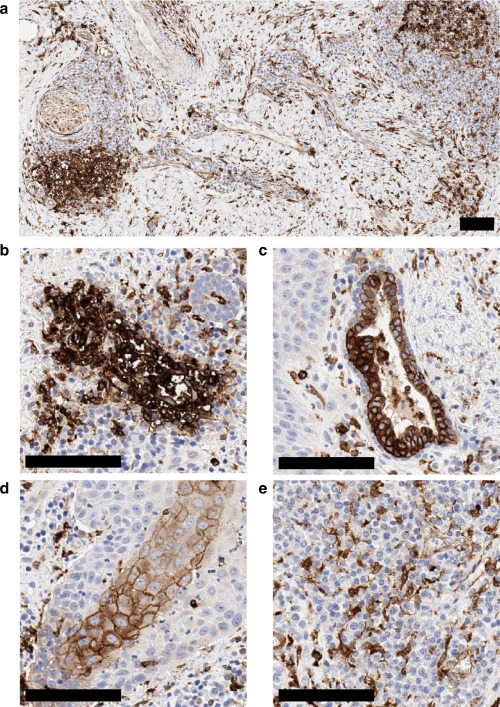
Figure 2 Legend: HLA Class II Expression in HS Skin. Figure by Dr. Jonas Zierer and colleagues [1].
- The Scientific Breakdown: These are microscope images of HS skin stained for HLA-DR (brown color). Panel (a) gives an overview, showing widespread staining in inflamed areas. Panels (b-e) zoom in, highlighting HLA-DR expression on clusters of B-cells (b), blood vessel endothelial cells (c), epithelial cells lining skin structures (d), and myeloid immune cells (e).
- What This Means For You: This shows the “ID cards” aren’t just being shown by the usual immune cells. In the inflammatory environment of HS, even your regular skin cells start expressing HLA-DR. Why does this matter? Because normally, these cells don’t present antigens to CD4+ helper T-cells. When they start doing so, they create more opportunities for the immune system to mistakenly recognize a ‘self’ protein as dangerous, potentially fueling the autoimmune attack right at the site of the lesion (like the armpit or groin). It turns the skin itself into part of the autoimmune battleground.
This aberrant expression of HLA-DR on epithelial cells in follicles and tunnels is a key finding. It suggests these cells, usually just structural, become active players in the immune response, potentially presenting ‘self’ or microbial antigens that trigger or sustain the inflammation directed at these specific sites.
A Proven natural Roadmap to Manage HS
Get the support and natural strategies you need for lasting relief and join a community that understands.

The “Knowledge Gap”: Confirmation Demands a Deeper Look (The Fire vs. The Smoke Alarm)
This research strongly reinforces the classification of HS as an autoimmune disease. For conventional medicine, this confirmation logically points towards therapies targeting the adaptive immune system, T-cells, B-cells (like the BTK inhibitor mentioned), or the HLA presentation pathway. These approaches aim to block the immune attack after it has already been initiated.
This brings us back to the Fire and Smoke Alarm analogy, central to the HS Arma philosophy. The confirmed autoimmune attack, driven by HLA misrecognition and subsequent T-cell/B-cell activation, is the Smoke Alarm blaring loudly. Drugs targeting these pathways effectively silence the alarm, providing crucial relief (temporary shield), but they don’t extinguish the underlying Fire.
The knowledge gap persists if we don’t consistently ask the crucial upstream question: Why is the immune system making these recognition errors via HLA in the first place? Why is HLA-DR expression being abnormally induced on skin cells? What is causing the systemic immune dysregulation that primes the body for self-attack?
The HS Arma Philosophy: Putting Out the Fire
Our philosophy starts from the premise that this confirmed autoimmune activity is often a downstream result of a body already burdened by chronic, systemic inflammation—the Fire. This underlying inflammation, frequently fueled by factors like:
- Dietary Triggers
- Gut Dysbiosis
- Chronic Stress
- Environmental Exposures
- Metabolic Dysfunction
…creates an internal environment where the immune system becomes hyper-reactive and prone to errors, such as misinterpreting signals presented by HLA molecules.
A Proven natural Roadmap to Manage HS
Get the support and natural strategies you need for lasting relief and join a community that understands.

At HS Arma, we focus on highly effective evidence-based nutrition and lifestyle change, and natural therapies and practices designed to put out the Fire. Our multi-layered approach aims to:
- Reduce Systemic Inflammation: Through Foundational Nutrition (identifying triggers, nutrient density) and Strategic Lifestyle Changes (stress, sleep).
- Restore Immune Balance: Via Natural Therapies (gut support, targeted supplements) to calm the overactive immune response before it leads to self-attack.
- Support Skin Health: Through Skincare and nutrition to bolster the skin’s resilience.
- Empower the Patient: With Knowledge, Accountability & Support and Targeted Medical Testing.
By addressing the root causes of inflammation, we create an internal environment where the immune system is less likely to get confused by HLA signals. We aim to prevent the alarm from needing to go off in the first place, leading to lasting remission, not just symptom suppression. Seeing how these foundational shifts help individuals in our community regain control beautifully illustrates this principle in action.
Key Takeaways
- Strong Genetic Confirmation: New genetic research strongly links Hidradenitis Suppurativa to specific HLA gene variants (HLA-DRB1*01:01), significantly strengthening its classification as an autoimmune disease.
- Skin Cells Participate: In HS lesions, non-immune skin cells (epithelial cells in follicles, tunnels) aberrantly express HLA-DR, potentially playing an active role in presenting antigens and fueling the immune attack.
- Validation for Patients: This research validates the deep, systemic feeling of illness many HS patients experience, it’s not just skin deep; it involves the core self-recognition system of your immunity.
- Focus on the Fire, Not Just the Alarm: While drugs targeting downstream immune pathways (the smoke alarm) offer hope, true healing requires addressing the underlying systemic inflammation (the Fire) that leads to immune dysregulation in the first place. This is the foundation of a natural treatment for HS.
A Proven natural Roadmap to Manage HS
Get the support and natural strategies you need for lasting relief and join a community that understands.

Conclusion: Hope Through Clarity
This research marks an important step forward, bringing much-needed clarity to the autoimmune nature of Hidradenitis Suppurativa. It validates the experiences of countless patients and aligns HS more closely with other chronic immune-mediated diseases, both genetically and biologically.
So, can you cure HS? While we can’t change our HLA genes, this research is in line with ou philosophy that we can change the inflammatory environment in which those genes operate. By addressing the root causes of systemic inflammation through a dedicated, foundational approach focusing on diet, lifestyle, and natural therapies, we can calm the immune system’s mistaken attacks. We can put out the fire, allowing the smoke alarms to fall silent.
This science doesn’t just offer new targets for drugs; it offers a profound validation for taking control of your own health from the inside out. Remission is possible. Healing is possible. And it starts with understanding the true, systemic, and now genetically better-supported autoimmune nature of this challenging disease.
References
- Zierer, J., Cojean, C., Osinga, R., Läuchli, S., Wieczorek, G., Roth, L., & Roediger, B. (2025). Hidradenitis Suppurativa Is an HLA-Associated Autoimmune Disease. Journal of Investigative Dermatology. (Pre-proof based on provided PDF). https://www.jidonline.org/article/S0022-202X(25)02412-1/fulltext
- Janeway CA Jr, Travers P, Walport M, et al. (2001). The Major Histocompatibility Complex and Its Functions. Immunobiology: The Immune System in Health and Disease. 5th edition. New York: Garland Science. Available from: https://www.ncbi.nlm.nih.gov/books/NBK27156/
- Trowsdale, J., & Knight, J. C. (2013). Major histocompatibility complex genomics and human disease. Annual review of genomics and human genetics, 14, 301–323. https://doi.org/10.1146/annurev-genom-091212-153455
Important Medical Disclaimer
1. Not Medical Advice: All content and information on this website is for informational and educational purposes only. It does not constitute medical advice and is not a substitute for professional diagnosis, treatment, or consultation with a qualified healthcare provider.
2. My Role and Qualifications: I am a biomedical scientist and PhD candidate and share information from that perspective, combined with my personal experience as a patient with Hidradenitis Suppurativa. However, I am not a medical doctor, physician, or registered healthcare professional. Do not consider our relationship a doctor-patient relationship.
3. Consult Your Doctor: Always seek the advice of your medical doctor or another qualified health professional with any questions you may have regarding a medical condition. Never disregard professional medical advice or delay seeking it because of something you have read on this website. If you suspect you are experiencing a medical emergency, or a severe infection, do not rely on this website or the HS Arma community, please call your local emergency services or go to the nearest emergency room immediately.
4. A Critical Warning on Medication: Pharmaceutical drugs are a crucial tool in managing Hidradenitis Suppurativa for many people. Under absolutely no circumstances should you ever alter, reduce, or stop taking your prescribed medication without the explicit direction of the doctor who prescribed it. Doing so can be dangerous. Always consult with your doctor before doing anything related to your treatment plan.
5. No Liability: Your use of this website and reliance on any information provided is solely at your own risk.
6. Individual Results May Vary: Every patient’s biological baseline, genetics, and adherence to the protocol is different. Therefore, I cannot guarantee specific results, cures, or timelines for your Hidradenitis Suppurativa.
7. Scientific and Expressive Freedom: The articles published on this blog are distinct from formal peer-reviewed academic literature. They serve as an independent platform for my personal viewpoints, scientific hypotheses, and philosophical reflections as an independent scientist and HS patient. While grounded in biomedical research, I exercise a degree of expressive freedom to translate rigid academic data into insights from a patient perspective. These writings are my personal meditations on the science of HS and should be read as my individual perspective, not as universally accepted clinical consensus or formal peer-reviewed literature.