
My name is Jaap, and I am a biomedical scientist that also used to live with severe Hidradenitis Suppurativa, the kind that takes over your life. Today, I am completely asymptomatic because I learned how to heal Hidradenitis Suppurativa from within. More importantly, I’ve had the privilege of helping many other individuals with HS get their lives back, too.
Introduction: Decoding Your Body’s HS Blueprint
Have you ever felt lost in the maze of Hidradenitis Suppurativa (HS)? Confused by treatments that seem to work for others but not for you? Frustrated by the feeling that doctors are just guessing, throwing medications at the wall to see what sticks? If you’ve felt this way, you’re not just imagining it. HS is incredibly complex, and for too long, we haven’t had a clear map of what’s truly going wrong deep inside our bodies.
That’s why I was so encouraged when I read a major new genetic study by Dr. Atlas Khan, Dr. Lynn Petukhova, and a large international team of colleagues, including researchers from my home country, the Netherlands [1]. First, my deepest gratitude goes out to these researchers. Their massive effort, analyzing data from over 1.5 million people (including over 6,300 HS cases), gives us one of the most detailed blueprints yet for the genetic and molecular underpinnings of HS.
This research doesn’t just identify potential risk genes; it starts to connect the dots, showing how these genes might disrupt the normal behavior of our skin cells and immune system. It helps answer the fundamental question: what is Hidradenitis Suppurativa at a cellular level? More importantly, it provides powerful scientific validation for the root-cause approach we champion at HS Arma. Understanding this blueprint is key to learning how to treat Hidradenitis Suppurativa effectively and finding a path to lasting remission. Let’s explore what they found.
The Genetic Landscape of HS: Finding the “Dimmer Switches”
We’ve known for a while that HS runs in families, hinting at a genetic link. Early research focused on rare mutations, but this new study confirms that for most people, the story involves common genetic variations [1].
The team performed a Genome-Wide Association Study (GWAS), scanning the DNA of over 1.5 million people to find tiny differences more common in those with HS. They identified 12 independent genetic regions (loci) strongly associated with HS risk, including 8 brand new discoveries [1]. Figure 1 visually summarizes these findings and the researchers’ initial steps to understand their function.
A Proven natural Roadmap to Manage HS
Get the support and natural strategies you need for lasting relief and join a community that understands.
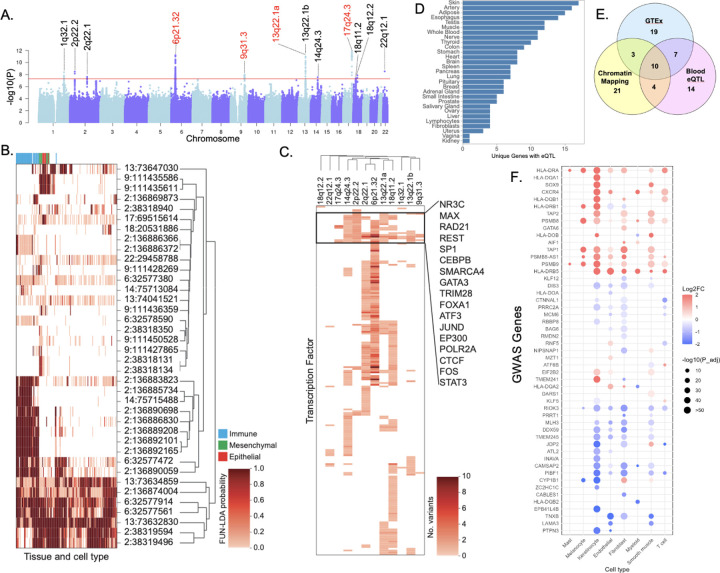
Figure 1: Mapping HS Risk Variants to Genes and Functions. Figure by Dr. Atlas Khan and colleagues [1].
- The Science: Panel A is a Manhattan plot showing the GWAS results. Each dot is a genetic variant, and its height indicates how strongly it’s linked to HS. The red line is the threshold for genome-wide significance. The labeled peaks are the 12 risk loci identified.Panel B uses a heatmap (FUN-LDA analysis) to show that many HS risk variants fall in DNA regions predicted to be active (“functional”) in specific cell types, clustering into groups relevant to Immune cells (blue), Epithelial cells (red), and Mesenchymal cells (green). Panel C shows that risk variants across different loci often fall within binding sites for the same Transcription Factors (TFs, proteins that regulate gene activity), suggesting shared control mechanisms. Panel D shows that HS risk variants frequently act as eQTLs (affecting gene expression) in various tissues, with skin being highly represented. Panel E (Venn diagram) illustrates how different methods (GTEx eQTLs, Blood eQTLs, Chromatin Mapping) were used to link risk variants to 79 potential target genes, with overlap between methods. Panel F is a heatmap showing how these 79 candidate genes behave in actual HS skin (using single-cell data); many are differentially expressed (red = upregulated, blue = downregulated) in specific cell types, particularly Keratinocytes, compared to healthy skin.
- What This Means For You: This figure is the foundation.Panel A shows the specific genetic hotspots linked to HS risk across our DNA. Importantly, Panels B and C suggest these aren’t random; they often act like faulty “dimmer switches” specifically in immune cells and skin cells, potentially disrupting how these cells function and communicate.Panels D, E, and F show the detective work used to link these genetic switches to specific genes that are actually behaving differently in HS skin. This confirms HS has a clear genetic basis linked to skin and immune function, validating that it’s a real biological condition, not just “bad luck” or a hygiene issue. It sets the stage for understanding which specific pathways are going wrong.
Crucially, most of the specific genetic variants pinpointed don’t change the structure of proteins themselves. Instead, they fall in areas of our DNA that act like these “dimmer switches” (regulatory elements), controlling how much or when certain genes are turned on or off, often in specific cell types like immune cells, skin cells (epithelial), and structural cells (mesenchymal) [1]. This immediately tells us that HS isn’t caused by one single broken part, but likely by a complex dysregulation of how our cells communicate and behave.
Spotlight on the Skin Cell: A Faulty Control Panel Called CXCR4
While the genetic overview is important, the real power of this study comes from how it zooms in on specific cells and pathways identified through the mapping shown in Figure 1. The researchers combined the genetic data with single-cell analysis of HS skin, asking: which genes linked to HS risk are actually behaving differently in diseased tissue?
One protein stood out: CXCR4. This molecule acts like a receptor, or a docking station, on the surface of cells. The study found that CXCR4 is significantly upregulated, especially on keratinocytes (the main type of skin cell) within the abnormal epithelial structures, the tendrils and tunnels—that are hallmarks of HS [1].
Think of CXCR4 as part of a crucial control panel on your skin cells. This study suggests that in HS, this part of the panel is switched ON too high, contributing to the chaos. Let’s look at Figure 2 (originally Figure 2 in the paper).
A Proven natural Roadmap to Manage HS
Get the support and natural strategies you need for lasting relief and join a community that understands.
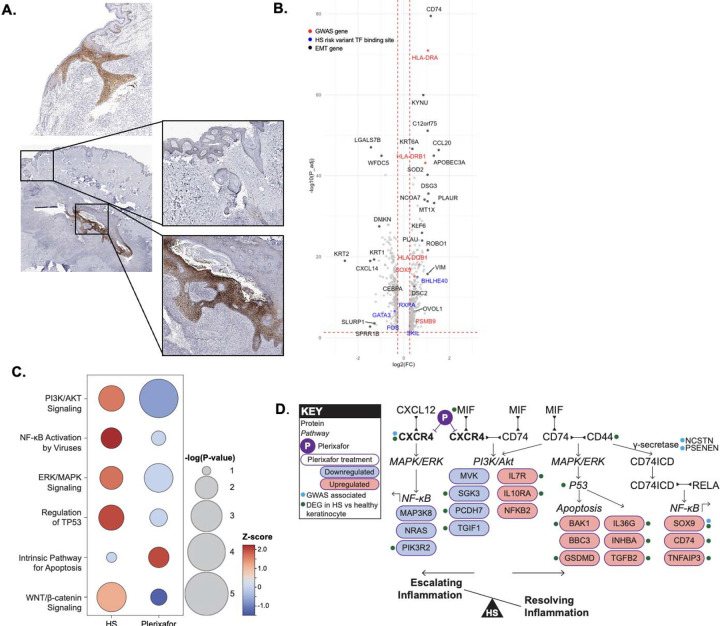
Figure 2: CXCR4+ Keratinocytes in HS Skin. Figure by Dr. Atlas Khan and colleagues [1].
- The Science: Panel A uses staining to show that CXCR4 protein (brown) is highly expressed in the abnormal epithelial tendrils and tunnels found deep in HS skin. Panel B analyzes the gene activity within these CXCR4-positive keratinocytes compared to CXCR4-negative ones. It reveals upregulation of key HS-associated genes like SOX9 (involved in hair follicle development) and HLA class II genes (involved in immune communication), as well as genes linked to Epithelial-Mesenchymal Transition (EMT), a process where skin cells become migratory and invasive, potentially contributing to tunnel formation. Crucially, CD74, another receptor, is highly co-expressed.Panel C shows that signaling pathways known to drive inflammation and cell growth (PI3K/Akt, MAPK/ERK, NF-κB) are highly active in these CXCR4+ cells (red circles), while pathways promoting cell death (apoptosis) are suppressed. When the researchers treated HS skin ex vivo with Plerixafor, a drug that blocks CXCR4, these inflammatory pathways calmed down (blue circles), and apoptosis signals increased. Panel D presents a model suggesting that CXCR4, potentially by partnering with CD74, amplifies these pro-inflammatory/pro-growth signals in HS. Blocking CXCR4 helps restore balance, reducing inflammation and promoting pathways linked to normal tissue remodeling and resolution.
- What This Means For You: This figure pinpoints a specific molecular control panel (CXCR4/CD74) on your skin cells that appears to be malfunctioning in HS. It’s stuck in “inflammation ON, growth ON, self-destruct OFF” mode. This explains why HS lesions can feel so relentlessly inflamed and why tunnels might form, the skin cells themselves are receiving faulty signals telling them to grow abnormally and fuel the fire. The experiment with the CXCR4 blocker (Plerixafor) is exciting because it shows that correcting this signal, even temporarily with a drug, can start to restore balance. This gives us a specific biological target and reinforces the idea that HS isn’t random chaos; it’s driven by specific, identifiable pathways that we can potentially influence.
The researchers propose a compelling model where CXCR4 partners with another receptor, CD74. Together, they amplify signals inside the keratinocyte that promote inflammation (like NF-κB), increase cell survival and growth (like PI3K/Akt), and potentially block the normal process of cell death (apoptosis) [1]. This creates a cell that is stuck in an aggressive, inflamed, and potentially invasive state, perfect conditions for creating the destructive lesions and tunnels of HS.
Excitingly, when the researchers used a drug called Plerixafor to block CXCR4 in HS skin samples, they saw these pro-inflammatory signals quiet down, and signals for normal tissue remodeling and inflammation resolution (like SOX9, CD74, and TNFAIP3) increase [1]. This is a crucial proof-of-concept: targeting this specific faulty switch can help restore balance.
Connecting the Dots: HS is a Systemic Disease
This study didn’t stop at the skin. The researchers used powerful statistical tools to explore the shared genetic architecture between HS and other conditions, confirming and expanding our understanding of Hidradenitis Suppurativa causes and comorbidities.
- Variant-Level Links (PheWAS): Looking at individual HS risk variants, they confirmed genetic links to known comorbidities like asthma, skin cancer, rheumatoid arthritis, IBD, and diabetes [1]. They also found new potential links, like a variant near KLF5 (a gene involved in skin barrier and inflammation) being associated with varicose veins [1]. This shows how a single genetic tweak can potentially affect multiple body systems.
- Genome-Wide Links (GPS PheWAS & Genetic Correlation): Using a polygenic risk score (GPS) that combined the effects of many HS variants, they again confirmed links to obesity, type 2 diabetes, depression, asthma, and hypertension [1]. The GPS PheWAS analysis (Figure 4, below) provides a visual map of these connections across the body. Genetic correlation analysis (Figure 5, below) further supported these links and added others, like yeast infections and pneumonia, highlighting potential immune vulnerabilities [1].
A Proven natural Roadmap to Manage HS
Get the support and natural strategies you need for lasting relief and join a community that understands.
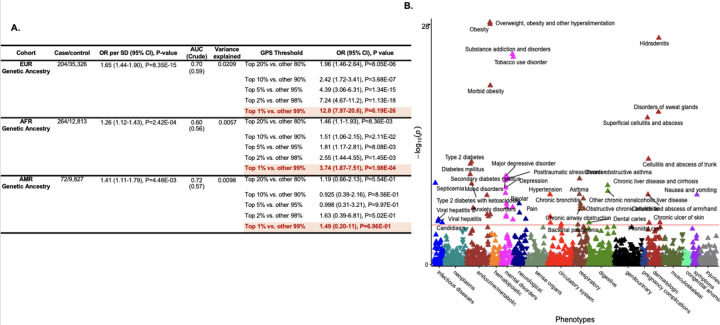
Figure 3: Mapping Shared Genetic Risk Across Diseases via GPS PheWAS. Figure by Dr. Atlas Khan and colleagues [1].
- The Science: This Miami plot (originally Figure 3, Panel B) shows the results of a Phenome-Wide Association Study (PheWAS) using the HS polygenic risk score (GPS) developed by the researchers. Each dot represents a different medical condition (phecode). The X-axis groups conditions by body system. The Y-axis shows the statistical significance (-log10 P-value) of the association with the HS GPS. Dots above the red line are phenome-wide significant. Upward triangles mean a higher HS GPS is associated with increased risk of that condition, while downward triangles mean decreased risk.
- What This Means For You: This chart is powerful proof that HS is not just a skin disease. Your genetic predisposition for HS is statistically linked to a higher risk for a whole constellation of other conditions, including obesity, type 2 diabetes, depression, asthma, hypertension, and even infections. This validates the feeling that HS affects your entire body and underscores why a holistic, whole-body approach to healing is absolutely necessary. It’s not just about calming the skin; it’s about calming the systemic fire that contributes to all these interconnected health issues.
A Proven natural Roadmap to Manage HS
Get the support and natural strategies you need for lasting relief and join a community that understands.
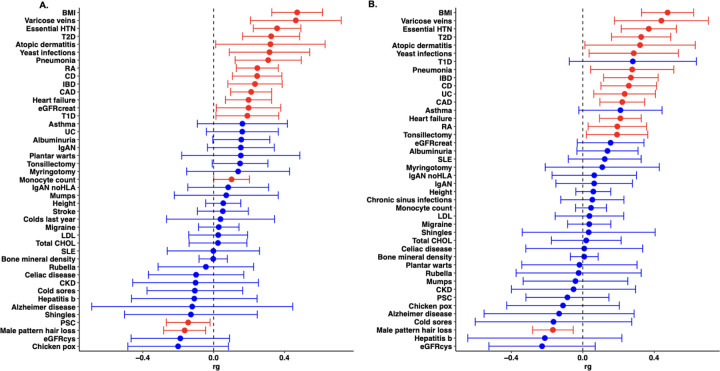
Figure 4: Genome-Wide Genetic Correlations of HS with Other Traits. Figure by Dr. Atlas Khan and colleagues [1].
- The Science: This figure shows the results of LD score regression, measuring the genetic correlation (rg) between HS and various other diseases/traits. A positive rg (red dots reaching to the right) means shared genetic risk factors tend to increase risk for both conditions (e.g., HS and BMI, Varicose veins, T2D). A negative rg (blue dots reaching to the left) means shared genetic factors have opposing effects (e.g., HS and Male pattern hair loss). Panel A includes the HLA region (involved in immunity), while Panel B excludes it to see its influence. Error bars show the confidence interval.
- What This Means For You: This provides further evidence that your genes influencing HS also influence other aspects of your health. The positive correlations confirm genetic overlaps with conditions often seen alongside HS, like metabolic issues (BMI, T2D) and inflammatory conditions (Atopic dermatitis, RA, IBD). The negative correlation with Male Pattern Hair Loss is particularly intriguing, suggesting shared biology working in opposite directions, reinforcing the idea that HS involves an imbalance rather than just broken parts. Understanding these shared genetic roots empowers us to take a broader view of our health.
Perhaps the most fascinating connection confirmed by the genetic correlation analysis (Figure 5) was the significant negative correlation between HS and male pattern hair loss (MPHL) [1]. This means that, genetically speaking, factors predisposing someone to HS tend to protect against typical baldness, and vice versa. The researchers propose this might relate back to the CXCR4-CD74 signaling axis, but acting in opposite directions (Figure 6, below). In HS, the “growth/inflammation ON, death OFF” signal is too strong, leading to follicle blockage and inflammation. In MPHL, maybe the “growth OFF, death ON” signal (specifically involving WNT signaling and apoptosis) is too strong, leading to hair follicle miniaturization [1].
A Proven natural Roadmap to Manage HS
Get the support and natural strategies you need for lasting relief and join a community that understands.
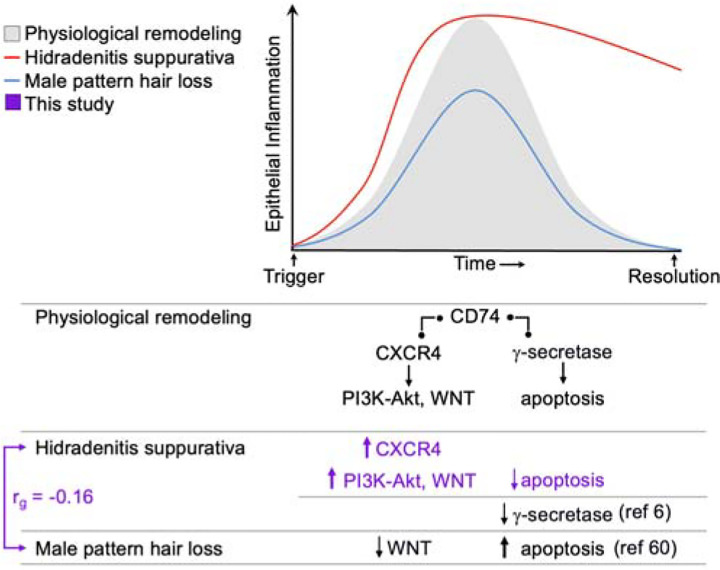
Figure 5: A Model of Opposing Imbalances in HS and Male Pattern Hair Loss (MPHL). Figure by Dr. Atlas Khan and colleagues [1].
- The Science: This schematic (originally Figure 5) proposes a model based on the study’s findings. The top graph suggests that in physiological remodeling (like normal hair cycling, blue line), there’s a balanced, temporary rise and fall of epithelial inflammation. In HS (red line), this inflammation is excessive and prolonged. The study suggests MPHL might involve insufficient inflammation/signaling. The bottom section proposes how the CXCR4-CD74 axis might mediate this. In normal remodeling, CXCR4/CD74 activity balances PI3K-Akt/WNT signaling (promoting growth/survival) with apoptosis (programmed cell death, potentially involving γ-secretase processing of CD74). In HS, CXCR4 is upregulated, leading to increased PI3K-Akt/WNT and decreased apoptosis, causing the follicle overgrowth and inflammation. The negative genetic correlation (rg = -0.16) suggests MPHL might involve the opposite: decreased WNT signaling and increased apoptosis, leading to follicle shrinkage.
- What This Means For You: This model is profound. It suggests HS and MPHL could be two sides of the same coin, diseases resulting from an imbalance in the same fundamental pathways controlling hair follicle growth, inflammation, and cell death. It reinforces that health isn’t about simply turning signals ON or OFF, but about achieving the right balance. This perfectly aligns with the HS Arma goal: restoring homeostasis, or balance, to your body’s systems naturally.
This finding beautifully illustrates a core principle: health is about balance. Too much or too little activity in these crucial pathways can lead to disease, just manifesting differently.
The Knowledge Gap: Why Drugs Aren’t the Whole Story
This research is incredibly valuable. It identifies specific molecular targets, like CXCR4, that could lead to new Hidradenitis Suppurativa medication [1]. The potential for a CXCR4 inhibitor, perhaps even as a topical treatment, is genuinely exciting.
But here lies the critical knowledge gap that often exists in conventional medicine. The focus immediately jumps to: “How can we block this pathway with a drug?” This is the downstream approach, silencing the smoke alarm. It’s powerful, and drugs acting as temporary shields can be lifesaving.
However, it rarely asks the crucial upstream question: Why is CXCR4 upregulated? Why is the PI3K/Akt pathway overactive? Why is the delicate balance between growth and death signals disrupted in the first place?
This is where the HS Arma philosophy provides the missing piece. We look at this incredible science and see validation for addressing the root cause. We know that pathways like PI3K/Akt, NF-κB, and WNT signaling are profoundly influenced by factors like:
- Diet: Sugars, processed foods, and certain fats can directly fuel these inflammatory pathways.
- Metabolic Health: Insulin resistance, strongly linked to obesity and HS, is a major driver of PI3K/Akt signaling.
- Gut Health: An imbalanced gut microbiome can send inflammatory signals throughout the body.
- Stress: Chronic stress keeps the immune system on high alert, disrupting normal cellular communication.
The conventional model often treats these factors as minor “lifestyle” issues, secondary to the “real” disease happening in the cells. We believe the opposite. These are the factors creating the internal environment that causes the cells to malfunction.
The HS Arma Philosophy: Putting Out the Fire from Within
At HS Arma, we use this deep scientific understanding to guide our natural approach. We focus on highly effective evidence-based nutrition and lifestyle change, and natural therapies and practices as the primary path to lasting remission.
- Foundational Nutrition: Knowing that pathways like PI3K/Akt are involved reinforces why addressing metabolic health and removing inflammatory foods is non-negotiable. We’re cutting off the fuel supply for the faulty signaling.
- Strategic Lifestyle Changes: Understanding the link between inflammation and stress highlights why incorporating science-backed stress management and optimizing sleep is critical for calming the entire system.
- Natural Therapies & Skincare: Research points to specific natural compounds that can help modulate pathways like NF-κB or support gut health, providing targeted support from the inside, complemented by skincare that respects the skin barrier.
- Accountability & Support: This journey requires consistency. Our community provides the support and guidance needed to navigate these changes successfully.
- Targeted Testing: We empower you with knowledge about tests (like metabolic panels or gut health analyses) that can help pinpoint your specific imbalances, allowing for a truly personalized strategy.
This research doesn’t give us a cure, but it gives us a much clearer map of the battlefield. It shows us where the imbalances are. Our job, together, is to use the powerful tools of diet, lifestyle, and natural therapies to restore that balance, to put out the fire so the smoke alarms finally go silent. Seeing how implementing these foundational changes has helped me and others brings this complex science vividly to life.
Key Takeaways
- HS Has Deep Genetic Roots: New research identifies 12 genetic regions linked to HS, mostly affecting how genes are regulated, especially in immune and skin cells [1].
- A Faulty Switch (CXCR4): A specific receptor, CXCR4, is overactive on HS skin cells, promoting inflammation, abnormal growth, and blocking cell death, likely contributing to lesions and tunnels [1]. Targeting this pathway shows promise.
- HS is Systemic: Genetic links confirm connections to obesity, diabetes, IBD, RA, and asthma, proving HS impacts the whole body [1].
- Balance is Key: The fascinating opposite genetic link to male pattern hair loss suggests HS results from an imbalance (too much pro-growth/inflammatory signaling) in pathways crucial for hair follicle health [1].
- Heal the Root Cause: While new drugs targeting these pathways are exciting shields, lasting remission comes from addressing the upstream triggers (diet, stress, gut health) that cause the imbalance in the first place. This is the natural treatment of Hidradenitis Suppurativa we focus on.
Conclusion: Your Body Holds the Blueprint for Healing
This cutting-edge research is more than just complicated biology; it’s a message of hope. It moves Hidradenitis Suppurativa further away from being a mystery and closer to being a solvable puzzle. It shows us that the chaos we feel isn’t random, it follows specific biological rules and pathways.
And when we understand the rules, we can learn how to play the game differently. We can learn how to influence those pathways not just with powerful drugs, but with the choices we make every single day.
So, can you cure HS? While the genetic predisposition might remain, achieving a deep, lasting remission where the disease no longer dictates your life is absolutely possible. This science gives us an even clearer blueprint for how. By focusing on restoring balance to your body’s intricate systems, by putting out the systemic fire, you empower your body’s innate ability to heal. You don’t have to wait for the next drug; the power to change your internal environment and reclaim your health starts now.
Reference
- [1] Khan, A., Gould, P. A., Luo, Y., Prens, E. P., Wheless, L., Hung, A. M., … & Petukhova, L. (2025). The polygenic architecture of hidradenitis suppurativa reveals signaling mechanisms that implicate epithelial remodeling. medRxiv. https://doi.org/10.1101/2025.07.25.25332168
Important Medical Disclaimer
1. Not Medical Advice: All content and information on this website is for informational and educational purposes only. It does not constitute medical advice and is not a substitute for professional diagnosis, treatment, or consultation with a qualified healthcare provider.
2. My Role and Qualifications: I am a biomedical scientist and PhD candidate and share information from that perspective, combined with my personal experience as a patient with Hidradenitis Suppurativa. However, I am not a medical doctor, physician, or registered healthcare professional. Do not consider our relationship a doctor-patient relationship.
3. Consult Your Doctor: Always seek the advice of your medical doctor or another qualified health professional with any questions you may have regarding a medical condition. Never disregard professional medical advice or delay seeking it because of something you have read on this website. If you suspect you are experiencing a medical emergency, or a severe infection, do not rely on this website or the HS Arma community, please call your local emergency services or go to the nearest emergency room immediately.
4. A Critical Warning on Medication: Pharmaceutical drugs are a crucial tool in managing Hidradenitis Suppurativa for many people. Under absolutely no circumstances should you ever alter, reduce, or stop taking your prescribed medication without the explicit direction of the doctor who prescribed it. Doing so can be dangerous. Always consult with your doctor before doing anything related to your treatment plan.
5. No Liability: Your use of this website and reliance on any information provided is solely at your own risk.
6. Individual Results May Vary: Every patient’s biological baseline, genetics, and adherence to the protocol is different. Therefore, I cannot guarantee specific results, cures, or timelines for your Hidradenitis Suppurativa.
7. Scientific and Expressive Freedom: The articles published on this blog are distinct from formal peer-reviewed academic literature. They serve as an independent platform for my personal viewpoints, scientific hypotheses, and philosophical reflections as an independent scientist and HS patient. While grounded in biomedical research, I exercise a degree of expressive freedom to translate rigid academic data into insights from a patient perspective. These writings are my personal meditations on the science of HS and should be read as my individual perspective, not as universally accepted clinical consensus or formal peer-reviewed literature.