
My name is Jaap, and I am a biomedical scientist that also used to live with severe Hidradenitis Suppurativa, the kind that takes over your life. Today, I am completely asymptomatic because I learned how to heal Hidradenitis Suppurativa from within. More importantly, I’ve had the privilege of helping many other individuals with HS get their lives back, too.
A Proven natural Roadmap to Manage HS
Get the support and natural strategies you need for lasting relief and join a community that understands.

Introduction: The Flare That Never Really Leaves
Do you ever feel like your Hidradenitis Suppurativa (HS) flares just keep coming back, no matter what you do? Like even after a course of antibiotics or during treatment with a biologic, the inflammation is just waiting beneath the surface, ready to erupt again? It’s that frustrating feeling that your body is somehow stuck in attack mode, that the battle never truly ends. For years, this cycle felt like an unsolvable mystery, a painful reality of living with HS.
But what if I told you that science is finally uncovering a reason for this relentless pattern? A fascinating new paper published in Experimental Dermatology explores a concept called trained immunity, and it might hold the key to understanding why HS can be so persistent [1]. My deepest gratitude goes to Dr. Annalisa Marcuzzi, Dr. Erika Rimondi, and their colleagues for their insightful work exploring this immune memory in the context of HS [1].
Today, we’re going to dive into this research. We’ll break down what trained immunity means in simple terms, explore how it might be fueling the chronic fire of your HS, and, most importantly, discuss how understanding this empowers you to truly learn how to treat hidradenitis suppurativa by addressing the root cause. This isn’t just about silencing the alarm; it’s about understanding why it keeps ringing and how we can finally bring peace back to the system.
A Proven natural Roadmap to Manage HS
Get the support and natural strategies you need for lasting relief and join a community that understands.

The Never-Ending Alarm: What is Trained Immunity?
Traditionally, we learned about two main branches of the immune system. The adaptive immune system (with T-cells and B-cells) is the smart one, it learns and remembers specific invaders, providing long-term immunity. The innate immune system (with cells like macrophages and neutrophils) was seen as the first responder, quick, non-specific, and with no memory of past battles.
Trained immunity turns that last idea on its head [1]. Groundbreaking research has shown that innate immune cells can remember previous encounters [1]. Think of a security guard who deals with one really bad break-in. Even after the danger is gone, they might become hyper-vigilant, seeing threats everywhere, jumping at every shadow. Trained immunity is like that for your cells [1]. An initial trigger, perhaps bacteria from a ruptured follicle, signals from damaged cells (DAMPs), or even certain lifestyle factors, can reprogram innate immune cells like monocytes and macrophages [1].
While we usually associate memory with conscious thought in the brain, this cellular ‘memory’ works differently. It’s encoded biologically, deep inside the innate immune cell, through two main processes:
- Epigenetic Reprogramming: Changes in how your DNA is packaged and read, making inflammatory genes easier to switch on. Think of it like putting sticky notes on the “attack” instruction manuals, so they’re always ready to be opened.
- Metabolic Reprogramming: Changes in how the cell produces and uses energy, shifting it into a permanently “battle-ready” state. It’s like rewiring the security system to be overly sensitive and constantly drawing power.
The result? These trained cells mount a faster, stronger, and more prolonged inflammatory response the next time they encounter any trigger, even one completely different from the original stimulus. They get stuck on high alert.
A Proven natural Roadmap to Manage HS
Get the support and natural strategies you need for lasting relief and join a community that understands.

Why Does This Matter for Hidradenitis Suppurativa? The Fire That Won’t Go Out.
Now, let’s connect this to HS. Hidradenitis suppurativa is characterized by chronic, relapsing inflammation [1]. We know it involves triggers like bacterial dysbiosis (an imbalance in the skin microbiome), genetic predisposition, lifestyle factors (like smoking or diet), and the constant release of DAMPs from damaged tissue due to ruptured follicles [1].
The trained immunity hypothesis suggests that these constant triggers in HS might be persistently “training” our innate immune cells [1]. Macrophages, neutrophils, and maybe even our skin cells (keratinocytes) and structural cells (fibroblasts) get locked into a hyper-inflammatory state [1, 4]. This could explain why the inflammation persists even when there’s no active infection, why flares seem to come out of nowhere, and why the disease feels like a relentless cycle [1].
A Proven natural Roadmap to Manage HS
Get the support and natural strategies you need for lasting relief and join a community that understands.
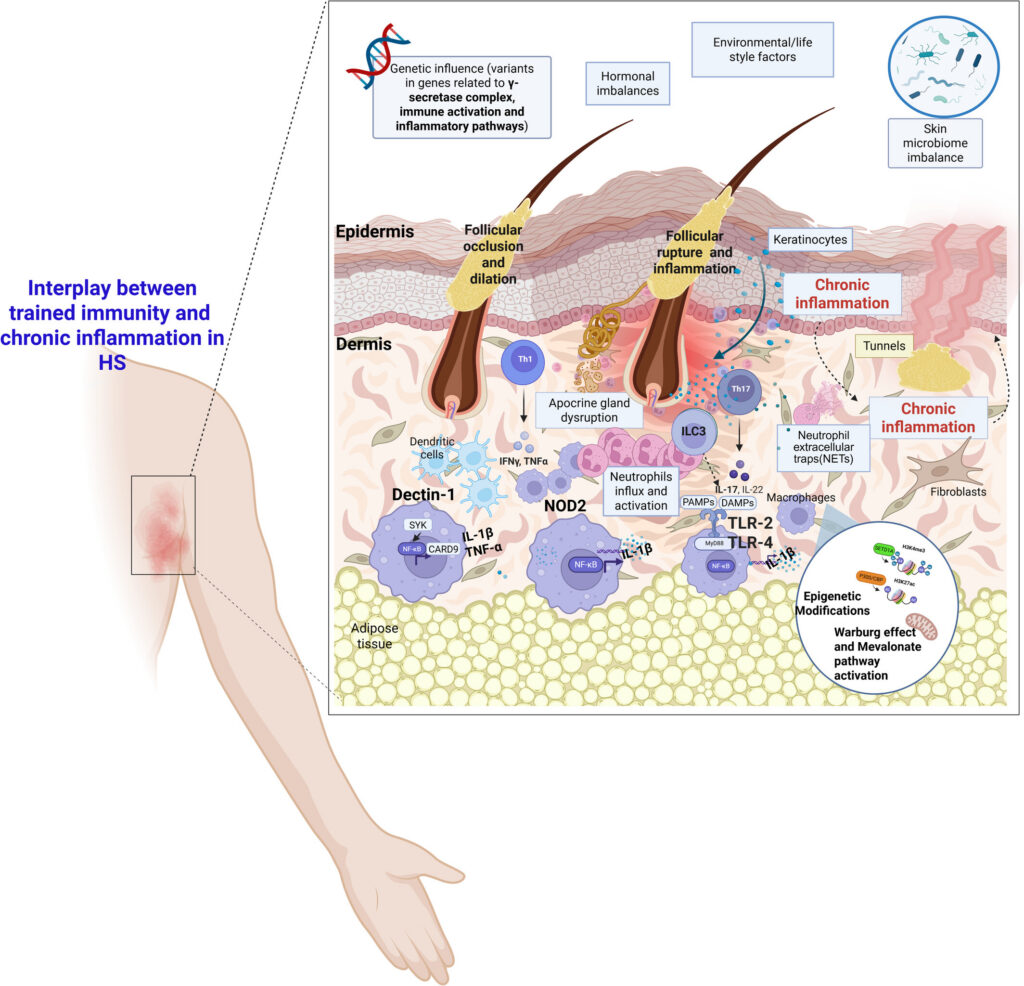
Figure 1: By Dr. Marcuzzi and colleagues [1].
This diagram shows the complex interplay believed to fuel chronic inflammation in HS. It starts with Genetic factors (like variants in gamma-secretase or immune genes) and Environmental/Lifestyle factors (hormones, smoking, diet, stress, microbiome imbalance). These lead to Follicular occlusion (blockage) and rupture in the Epidermis/Dermis. This rupture releases triggers (PAMPs from bacteria, DAMPs from damaged cells). Innate immune cells like Dendritic cells, Macrophages, and Neutrophils respond. Crucially, the diagram highlights potential Trained Immunity pathways: Pattern Recognition Receptors like Dectin-1, NOD2, and TLR2/4 get activated, amplifying the production of key HS cytokines like IL-1β and TNF-α. This sustained activation is linked to Epigenetic Modifications (changing DNA accessibility) and metabolic shifts (Warburg effect and Mevalonate pathway) within these immune cells, locking them in a hyper-reactive state. Other immune cells like ILC3s contribute IL-17/IL-22, further driving inflammation, tunnel formation, and tissue destruction involving Fibroblasts.
Patient Takeaway: This map shows how your genetics and lifestyle can set the stage. When a follicle ruptures (often the start of a flare), it triggers your immune cells. But in HS, thanks to trained immunity, these cells overreact dramatically. Receptors like NOD2 and TLRs get stuck “on”, and internal changes (epigenetics, metabolism) keep the inflammation burning long after the initial trigger is gone. This explains that persistent, deep inflammation and why flares keep returning, your immune system’s alarm system is fundamentally rewired to be hyper-sensitive, keeping the fire going. This sheds light on hidradenitis suppurativa causes.
A Proven natural Roadmap to Manage HS
Get the support and natural strategies you need for lasting relief and join a community that understands.

Under the Hood: The Science of Immune Memory (Epigenetics & Metabolism)
How exactly do these cells get “stuck”? It boils down to changes in their fundamental operating systems.
Epigenetics: The Sticky Notes on Your DNA
Your DNA contains the instructions for everything your cells do. Epigenetics doesn’t change the instructions themselves, but it changes how easily they can be read [1]. Think of chemical tags like histone modifications (specifically H3K4 trimethylation and H3K27 acetylation mentioned in the paper [1]) as sticky notes or bookmarks placed on your DNA. In trained immunity, these tags are placed on inflammatory genes, keeping them open and easily accessible [1]. So, the next time any trigger comes along, those “attack” genes are switched on much faster and stronger [1]. Research has even shown that skin cells (keratinocytes) in HS lesions have lasting epigenetic changes linked to inflammation, suggesting a form of “epithelial memory” [1, 4]. This means the skin itself might be “trained” to overreact.
Metabolic Reprogramming: Switching to High-Gear Fuel
Trained immune cells also change how they make energy [1]. They shift from efficient, slow-burn energy production (oxidative phosphorylation) to a rapid, less efficient process called aerobic glycolysis, often called the Warburg effect [1]. This provides quick fuel needed for an intense inflammatory fight, promoting the production of cytokines like IL-1β and TNF-α [1].
Furthermore, this metabolic shift causes the buildup of certain byproducts, like succinate and fumarate [1]. These aren’t just waste; they act as potent inflammatory signals themselves, notably by stabilizing a protein called HIF-1α, which further ramps up inflammation [1]. The mevalonate pathway, involved in cholesterol production, also gets activated and plays a role by influencing those epigenetic tags we talked about [1].
Analogy: It’s like tuning a car engine to constantly idle high and run on racing fuel. It’s ready for immediate acceleration but burns inefficiently and produces a lot of harmful exhaust (inflammatory byproducts).
A Proven natural Roadmap to Manage HS
Get the support and natural strategies you need for lasting relief and join a community that understands.

What is interesting to me and for us is how might our lifestyle connect here? The Western diet, high in processed foods and sugars, is known to push immune cells towards glycolysis and promote the very metabolic and epigenetic changes seen in trained immunity [2]. Chronic stress also impacts our immune cells’ epigenetic programming and metabolic function. This research [1] provides a potential biological link for how factors like diet and stress, key focuses in the HS Arma approach, could directly contribute to the persistent inflammation in HS by fueling these trained immunity pathways.
But here’s a crucial point of hope within this science: this cellular ‘training’ isn’t necessarily a one-way street or a permanent life sentence. The very researchers exploring trained immunity suggest that it might be possible to reverse or ‘reset’ this programming. Their focus, understandably within the conventional model, leans towards developing drugs, like epigenetic modulators or metabolic regulators, that could potentially force these cells back towards normal function. However, this is where the HS Arma philosophy takes a different, more fundamental path.
“We ask: why force the cells with a drug when we can address the reasons they started misbehaving in the first place? We believe that just as repeated danger signals can train immune cells towards hyper-inflammation, creating a consistently calm and healthy internal environment allows them to naturally ‘retrain’ back towards behaving correctly.
By removing the chronic triggers—the inflammatory foods, the constant stress signals, the gut dysbiosis—that keep priming these cells for battle, we create the space for them to reset on their own. This isn’t just about stopping the bad signals; it’s about providing the right signals to teach the immune system that the ‘war’ is over and it can stand down.
This potential for natural retraining, driven by addressing the root cause, is the biological basis for why a foundational approach holds the promise not just for managing symptoms, but for achieving deep, lasting remission.”
(Interpretation by HS Arma based on the trained immunity hypothesis and principles of root-cause resolution).
A Proven natural Roadmap to Manage HS
Get the support and natural strategies you need for lasting relief and join a community that understands.

The Knowledge Gap: Why Drugs Aren’t Always Enough
This brings us to the conventional treatments for HS. Biologics targeting TNF-α (like Adalimumab) or IL-17 (like Secukinumab and Bimekizumab) can be incredibly helpful for many people [1]. I am deeply grateful to the researchers who developed these tools; they act as powerful shields, calming the storm for those in severe distress.
However, as we know, they don’t work for everyone (response rates hover around 50%), they can lose effectiveness, and they don’t address the root cause [1]. The concept of trained immunity offers a compelling explanation for these limitations [1]. Even if you block TNF or IL-17, the innate immune cells might still be epigenetically and metabolically “trained” for hyper-inflammation [1]. Other inflammatory pathways (like IL-1β) remain active, driven by this underlying primed state [1].
The Fire and Smoke Alarm Analogy: Think of HS inflammation as a house fire. The visible lesions and pain are the blaring smoke alarm. Biologics are like cutting the wires to one specific smoke alarm (TNF or IL-17). The noise might stop temporarily, but the fire, the underlying trained immunity, the hyper-reactive state fueled by triggers, is still burning. The system remains overly sensitive and can easily trigger other alarms (other inflammatory pathways) or reignite the first one once the drug wears off.
The paper suggests that future therapies might involve combining biologics with drugs that target these epigenetic or metabolic pathways [1, 3]. Figure 2 illustrates some potential strategies researchers are exploring.
A Proven natural Roadmap to Manage HS
Get the support and natural strategies you need for lasting relief and join a community that understands.
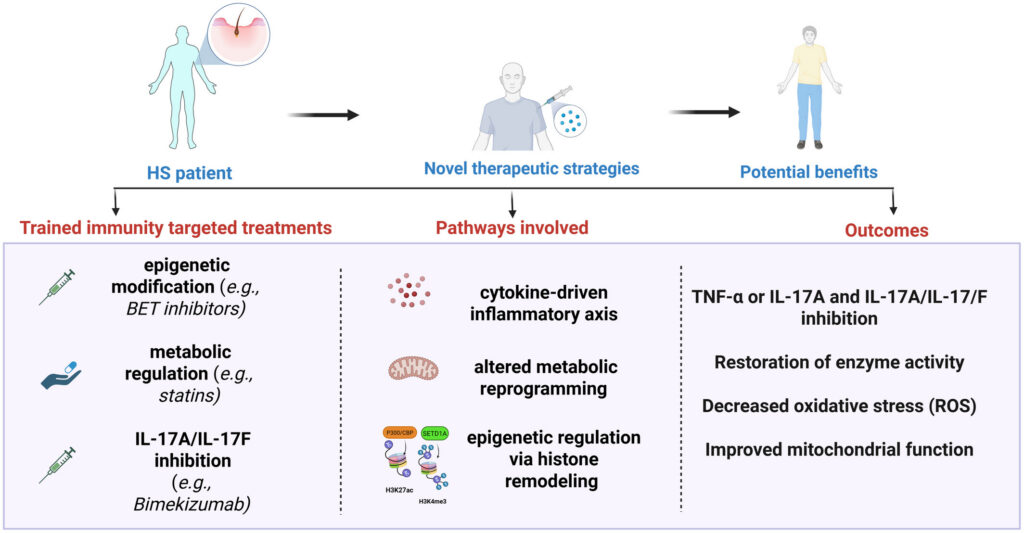
Figure 2: By Dr. Marcuzzi and colleagues [1].
This diagram outlines potential future therapeutic strategies for HS that target trained immunity. An HS patient (left) might receive Novel therapeutic strategies (center) based on Trained immunity targeted treatments. These could include Epigenetic modification (e.g., BET inhibitors that affect histone tags), Metabolic regulation (e.g., statins that inhibit the mevalonate pathway), alongside existing IL-17A/IL-17F inhibition (e.g., Bimekizumab). The Pathways involved include calming the cytokine-driven inflammatory axis, correcting altered metabolic reprogramming, and reversing epigenetic regulation via histone remodeling. The desired Outcomes (right) include TNF-α or IL-17A/IL-17A/IL-17F inhibition, Restoration of enzyme activity, Decreased oxidative stress (ROS), and Improved mitochondrial function, leading to Potential benefits for the patient.
Patient Takeaway: This shows where research might be headed. Instead of just blocking one inflammatory signal (like current biologics), future treatments might try to “retrain” your immune cells by targeting the internal changes (epigenetics and metabolism) that keep them stuck on high alert. Drugs like statins (usually for cholesterol) are even being explored for their potential anti-inflammatory effects through these pathways [1]. While exciting, this still primarily focuses on pharmaceutical interventions rather than addressing why the cells got trained incorrectly in the first place.
A Proven natural Roadmap to Manage HS
Get the support and natural strategies you need for lasting relief and join a community that understands.

The HS Arma Philosophy: Retraining Your Immune System Naturally
This research, while focused on potential drug targets, powerfully validates the HS Arma philosophy. It highlights the mechanism, the trained state of innate immune cells, that explains why a root-cause approach is so critical.
The conventional model focuses downstream: identify the faulty alarm (cytokine) or the overactive guard (immune cell) and block it with a drug. Our philosophy flips this entirely. We focus upstream: Why is the immune system getting trained incorrectly? What are the triggers constantly sending danger signals? How can we create an environment where the immune system learns to be calm again?
At HS Arma, we focus on highly effective evidence-based nutrition and lifestyle change, and natural therapies and practices to address the root cause. Our goal is to gently retrain your immune system back towards balance by removing the inflammatory inputs and providing the building blocks for health.
Here’s how the HS Arma layers connect directly to the science of trained immunity:
- Foundational Nutrition: This is paramount. By identifying and removing your personal inflammatory food triggers (like processed foods, excess sugar, specific sensitivities) and embracing nutrient-dense whole foods, you directly impact the metabolic pathways (like glycolysis) fueling trained immunity [1, 2]. You also support a healthy gut microbiome, reducing the load of bacterial triggers (PAMPs like LPS) that can prime the system [1].
- Strategic Lifestyle Changes: Chronic stress constantly sends DAMP signals and influences epigenetic programming [1]. Prioritizing sleep allows the immune system to regulate. Reducing exposure to environmental toxins lessens the overall burden on your body. These changes help turn down the volume on the signals that train your immune cells [1].
- Natural Therapies & Skincare: Certain science-backed natural compounds may help modulate immune responses and metabolic pathways [3]. Targeted skincare helps manage the skin barrier and microbiome locally. This layer adds targeted support to the foundational work.
- Accountability & Support: Implementing these changes requires commitment. Being part of a community provides the encouragement and shared wisdom needed to stay the course.
- Targeted Medical Testing: Understanding your unique biology (e.g., metabolic health markers, nutrient levels) can help personalize the approach, identifying specific areas that need support to calm the immune system.
This research [1] provides a beautiful biological explanation for why our foundational approach works. We are creating an internal environment that stops the epigenetic and metabolic training signals, allowing the innate immune system to return to a state of balance. We are putting out the fire at its source.
A Proven natural Roadmap to Manage HS
Get the support and natural strategies you need for lasting relief and join a community that understands.

Key Takeaways
- Immune Memory Matters: HS isn’t just random flares; it might involve “trained immunity,” where your innate immune cells get stuck in a hyper-inflammatory state [1].
- It’s Wired In: This training happens through lasting changes in how your cells read their DNA (epigenetics) and how they use fuel (metabolism) [1].
- Explains Persistence: Trained immunity could explain why HS inflammation feels so chronic and why treatments targeting single pathways may not be enough [1]. The system stays primed.
- Lifestyle is Key: Factors like diet, stress, and gut health can directly influence the epigenetic and metabolic pathways that drive trained immunity [1, 2].
- Retrain Naturally: The HS Arma approach focuses on removing triggers and restoring balance through foundational nutrition and lifestyle changes, aiming to naturally “retrain” your immune system back to a calm state.
Conclusion: Rewriting Your Immune Story
Understanding the science of trained immunity is incredibly empowering. It validates that feeling that your body is somehow stuck in a cycle of inflammation [1]. It explains why HS can feel so relentless. But more than that, it gives us a clear biological target for healing.
Can you cure HS? While we can’t change our genes, we absolutely can change the epigenetic and metabolic programming of our immune cells. We can influence how those genes are expressed. We can achieve a deep, lasting remission where the disease no longer controls our lives.
Healing becomes a process of “retraining” your immune system. By removing the constant “danger” signals from your diet and lifestyle, and by actively nourishing your body with what it needs to find balance, you are essentially teaching your innate immune cells that the war is over. You are gently guiding them out of their hyper-vigilant state and back towards tolerance and peace.
This research [1] beautifully illuminates the path forward. It’s not about finding a stronger drug to silence the alarm; it’s about creating an internal environment where the alarm never needs to ring in the first place. You have the power to rewrite your immune story, and that journey begins from within.
A Proven natural Roadmap to Manage HS
Get the support and natural strategies you need for lasting relief and join a community that understands.

References
[1] Marcuzzi, A., Rimondi, E., Lodi, G., Manfredini, M., Tricarico, P. M., Moltrasio, C., Marzano, A. V., Suleman, M., Secchiero, P., Melloni, E., & Crovella, S. (2025). Trained immunity and its potential implications in the etiopathogenesis of hidradenitis suppurativa: A new paradigm in chronic inflammation? Experimental Dermatology, 34, e70160. https://doi.org/10.1111/exd.70160
[2] Christ, A., Lauterbach, M., & Latz, E. (2019). Western Diet and the Immune System: An Inflammatory Connection. Immunity, 51(5), 794–811. https://doi.org/10.1016/j.immuni.2019.09.020 (Link: https://www.cell.com/immunity/fulltext/S1074-7613(19)30441-2)
[3] Mulder, W. J. M., Ochando, J., Joosten, L. A. B., Fayad, Z. A., & Netea, M. G. (2019). Therapeutic targeting of trained immunity. Nature Reviews Drug Discovery, 18(7), 553–566. https://doi.org/10.1038/s41573-019-0025-4 (Link: https://www.nature.com/articles/s41573-019-0025-4)
[4] Jin, L., Chen, Y., Muzaffar, S., Ye, D., Wang, Y., Zhang, Y., Krueger, J. G., Guttman-Yassky, E., & Frew, J. W. (2023). Epigenetic switch reshapes epithelial progenitor cell signatures and drives inflammatory pathogenesis in hidradenitis suppurativa. Proceedings of the National Academy of Sciences, 120(49), e2315096120. https://doi.org/10.1073/pnas.2315096120 (Link: https://www.pnas.org/doi/10.1073/pnas.2315096120)
[5] Sabat, R., Alavi, A., Wolk, K., Bechara, F. G., Botti, E., Bovenschen, H. J., Frew, J. W., Gaudiano, F., Giamarellos-Bourboulis, E. J., Gono, T., Gulliver, W. P., Husein-Elahmed, H., Ingram, J. R., Jemec, G. B. E., Kimball, A. B., Kokolakis, G., Lowes, M. A., Lønnberg, A. S., Marzano, A. V., … Zouboulis, C. C. (2025). Hidradenitis suppurativa. The Lancet, 405(10476), 420–438. https://doi.org/10.1016/S0140-6736(24)02475-9 (Link: https://www.thelancet.com/journals/lancet/article/PIIS0140-6736(24)02475-9/fulltext)
Important Medical Disclaimer
1. Not Medical Advice: All content and information on this website is for informational and educational purposes only. It does not constitute medical advice and is not a substitute for professional diagnosis, treatment, or consultation with a qualified healthcare provider.
2. My Role and Qualifications: I am a biomedical scientist and PhD candidate and share information from that perspective, combined with my personal experience as a patient with Hidradenitis Suppurativa. However, I am not a medical doctor, physician, or registered healthcare professional. Do not consider our relationship a doctor-patient relationship.
3. Consult Your Doctor: Always seek the advice of your medical doctor or another qualified health professional with any questions you may have regarding a medical condition. Never disregard professional medical advice or delay seeking it because of something you have read on this website. If you suspect you are experiencing a medical emergency, or a severe infection, do not rely on this website or the HS Arma community, please call your local emergency services or go to the nearest emergency room immediately.
4. A Critical Warning on Medication: Pharmaceutical drugs are a crucial tool in managing Hidradenitis Suppurativa for many people. Under absolutely no circumstances should you ever alter, reduce, or stop taking your prescribed medication without the explicit direction of the doctor who prescribed it. Doing so can be dangerous. Always consult with your doctor before doing anything related to your treatment plan.
5. No Liability: Your use of this website and reliance on any information provided is solely at your own risk.
6. Individual Results May Vary: Every patient’s biological baseline, genetics, and adherence to the protocol is different. Therefore, I cannot guarantee specific results, cures, or timelines for your Hidradenitis Suppurativa.
7. Scientific and Expressive Freedom: The articles published on this blog are distinct from formal peer-reviewed academic literature. They serve as an independent platform for my personal viewpoints, scientific hypotheses, and philosophical reflections as an independent scientist and HS patient. While grounded in biomedical research, I exercise a degree of expressive freedom to translate rigid academic data into insights from a patient perspective. These writings are my personal meditations on the science of HS and should be read as my individual perspective, not as universally accepted clinical consensus or formal peer-reviewed literature.