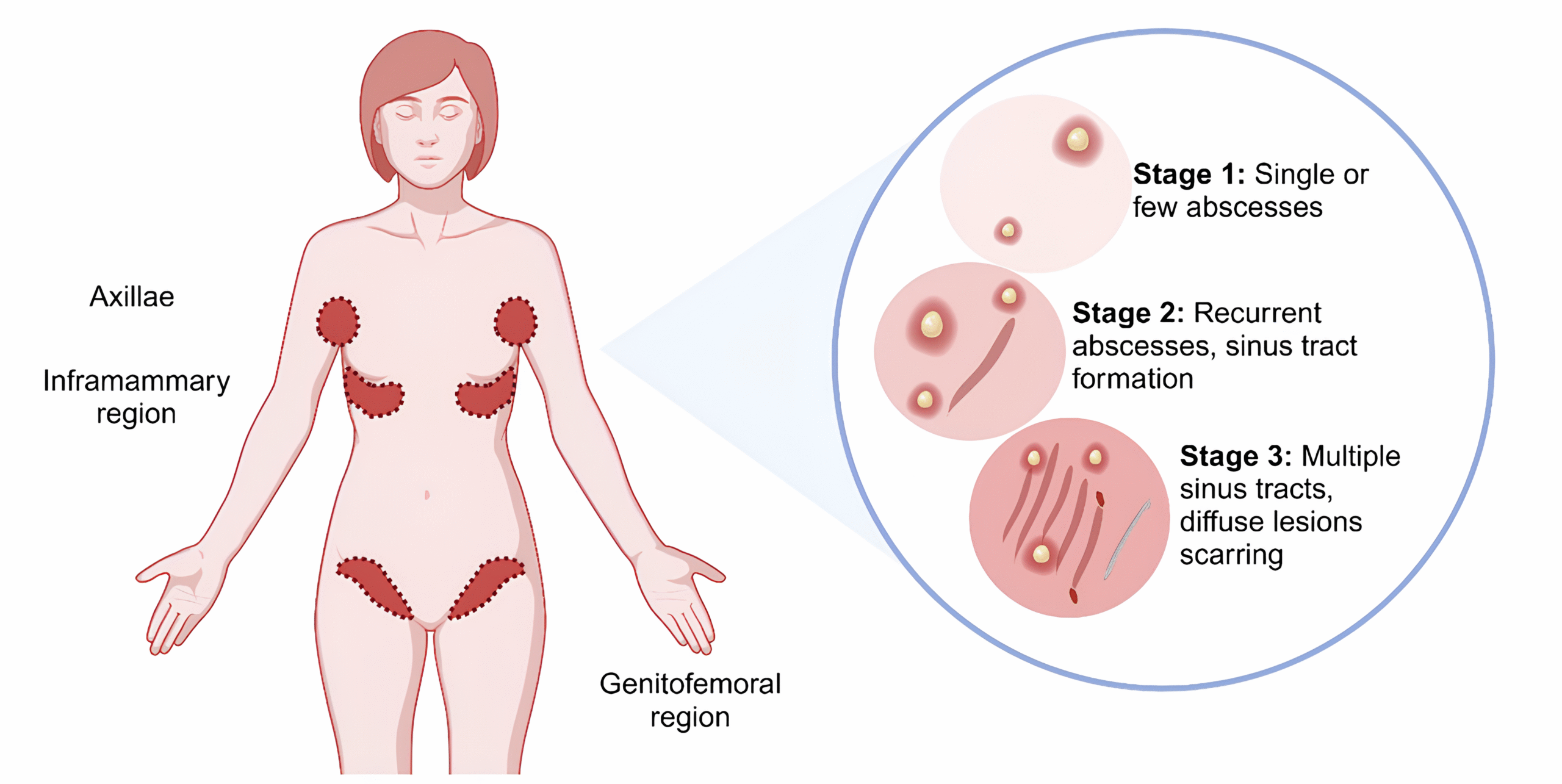

My name is Jaap, and I am a biomedical scientist that also used to live with severe Hidradenitis Suppurativa, the kind that takes over your life. Today, I am completely asymptomatic because I learned how to heal Hidradenitis Suppurativa from within. More importantly, I’ve had the privilege of helping many other individuals with HS get their lives back, too.
A Proven natural Roadmap to Manage HS
Get the support and natural strategies you need for lasting relief and join a community that understands.

Introduction: Searching for Gentler Solutions in the HS Battle
If you’re living with Hidradenitis Suppurativa (HS), you know the daily struggle. The painful flares, the frustration with treatments that don’t always work or come with side effects, it can feel like an uphill battle. For years, the standard approach has relied heavily on antibiotics, immune suppressants, and surgery. While these conventional treatments can be necessary tools, often acting like powerful shields or ways to silence the immediate smoke alarm of symptoms, many of us in the HS community are constantly searching for gentler, more sustainable ways to manage this condition and find lasting relief.
That’s why I was particularly interested in a new laboratory study published in Frontiers in Immunology by Dr. Lia-Mara Ditu and colleagues [1]. They investigated the potential of several natural bioactive compounds (specifically Gallic Acid, α-Terpineol, and Nerolidol) along with beneficial bacteria (probiotics) to fight HS-related microbes and modulate specific inflammatory pathways in vitro. First, a heartfelt thank you to Dr. Ditu and all the authors for exploring these natural avenues. Their work, while preliminary (done in test tubes and cell cultures), explores whether these natural agents could offer alternative or complementary treatment strategies by targeting key mechanisms involved in HS, specifically, inhibiting bacterial growth, disrupting biofilms (those stubborn bacterial fortresses), and calming certain inflammatory responses in immune cells.
Let’s put on our science hats together, unpack what they did, what they found, and what potential clues it might offer for our journey toward healing HS from within.
A Proven natural Roadmap to Manage HS
Get the support and natural strategies you need for lasting relief and join a community that understands.

The Problem: Chronic Inflammation, Stubborn Bacteria, and Biofilms in HS
Before we look at the potential natural treatments, let’s quickly recap the challenge HS presents. It’s a chronic inflammatory disease often involving dysbiosis (an imbalance in skin bacteria) and the formation of biofilms. Think of the visible lesions as the smoke alarms (symptoms) signaling a deeper issue. This involves:
- Inflammation: An overactive immune system releasing inflammatory messengers (cytokines like TNF-α, IL-1β, IL-17) causing pain, swelling, and tissue damage.
- Dysbiosis & Biofilms: An altered bacterial environment where certain bacteria thrive and form protective biofilms that resist conventional treatments.
Conventional approaches often focus on silencing the alarm (anti-inflammatories) or targeting accessible bacteria (antibiotics) but can struggle with the underlying chronicity and biofilm resistance. This study explores if specific natural compounds might offer a different angle of attack on these mechanisms [1].
Meet the Natural Contenders: GA, α-Terpineol, Nerolidol, and Probiotics
The researchers focused on three plant-derived compounds [1]:
- Gallic Acid (GA): A phenolic acid with known antioxidant and antimicrobial properties.
- α-Terpineol (aT): A terpene alcohol from essential oils, known for antimicrobial and anti-inflammatory effects.
- Nerolidol (N): Another terpene alcohol from essential oils, with potential antioxidant, anti-inflammatory, and membrane-disrupting antimicrobial activity.
They also included Lactic Acid Bacteria (LAB) strains (probiotics) to investigate potential interactions.
Round 1: Can These Compounds Fight HS-Related Bacteria in the Lab?
The first step was to see if these compounds could stop the growth of bacteria commonly found in HS lesions, including antibiotic-resistant strains like MRSA. They primarily used the Minimum Inhibitory Concentration (MIC) test, which finds the lowest concentration of a compound needed to stop bacterial growth in a liquid culture [1].
What did they find?
- Nerolidol Shines Individually: In these quantitative tests, Nerolidol (N) emerged as the most effective individual compound against several key Gram-positive strains (like S. aureus MRSA 86, S. aureus 205, E. faecalis 188), stopping their growth at a concentration of 0.25 mg/mL. This demonstrates its direct antibacterial potential against free-floating bacteria.
A Proven natural Roadmap to Manage HS
Get the support and natural strategies you need for lasting relief and join a community that understands.
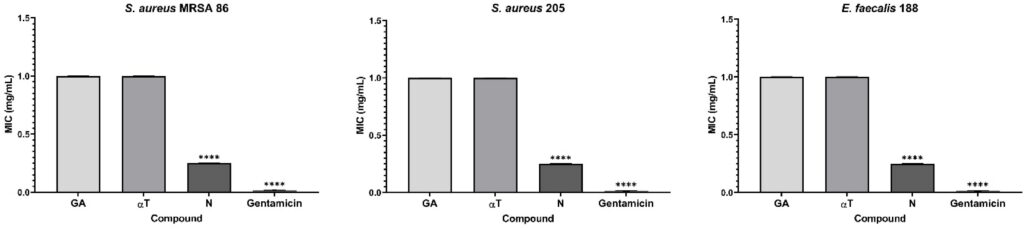
Figure 1 by by Dr. Lia-Mara Ditu and colleagues: Finding the Killing Concentration (MIC) – Individual Compounds
- The Science: These bar charts show the Minimum Inhibitory Concentration (MIC) in mg/mL – the lowest amount of GA, aT, or N needed to stop the growth of specific HS-related bacterial strains in liquid culture. Gentamicin (an antibiotic) is shown for comparison. Lower bars mean the compound is more potent.
- Patient Takeaway (Why it matters): Nerolidol (N) stands out here, showing the lowest MIC (meaning it’s the most potent) against these particular S. aureus MRSA and E. faecalis strains among the three natural compounds tested5. This confirms its direct antibacterial potential against free-floating bacteria relevant to HS. Figure by Dr. Ditu and colleagues [1].
- α-Terpineol + Nerolidol Combo Shows Synergy: The combination of α-Terpineol and Nerolidol (aT:N) worked significantly better together against several Gram-positive strains than they did alone. This synergistic effect reduced the MIC for strains like S. aureus 216 and E. faecalis 188, suggesting these terpenes might be more powerful when combined.
A Proven natural Roadmap to Manage HS
Get the support and natural strategies you need for lasting relief and join a community that understands.
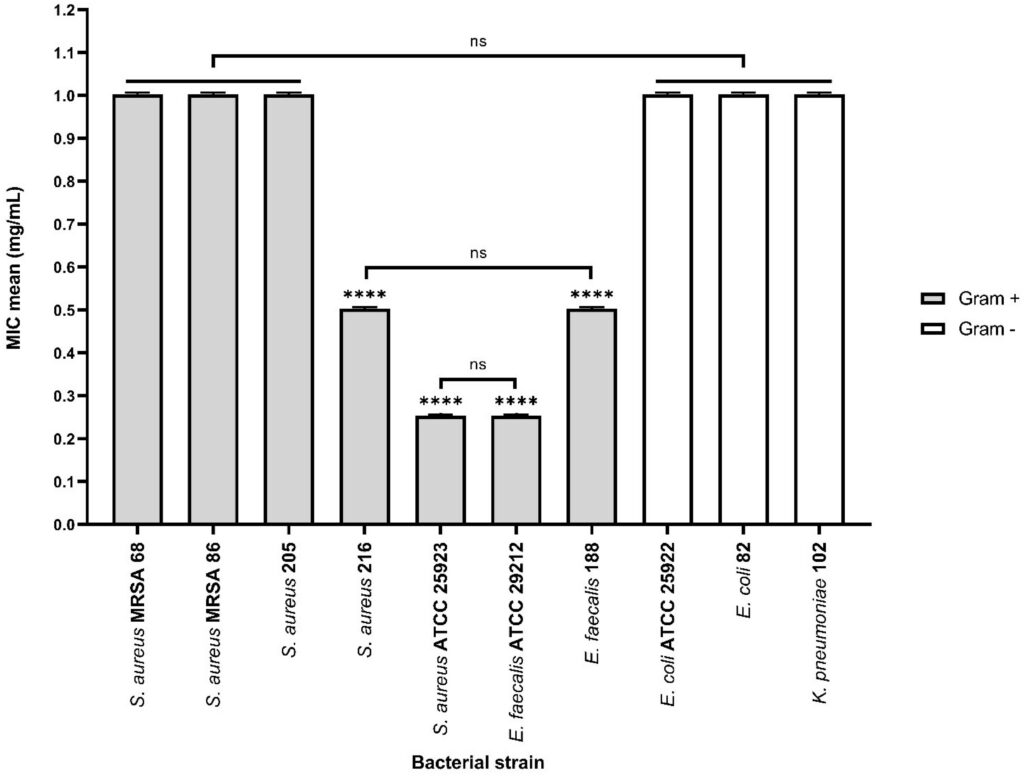
Figure 2 by by Dr. Lia-Mara Ditu and colleagues: Finding the Killing Concentration (MIC) – aT:N Combination
- The Science: This chart compares the average MIC values (mg/mL) for the aT:N combination against various Gram-positive (white bars) and Gram-negative (grey bars) bacteria.
- Patient Takeaway: This confirms the aT:N combo is quite effective against several Gram-positive bacteria relevant to HS, achieving MICs as low as 0.25 mg/mL for some strains. It was less effective against the Gram-negative ones tested here. This reinforces the potential of combining these specific terpenes for enhanced antibacterial action against certain HS microbes. Figure by Dr. Ditu and colleagues [1].
- Good News for Good Bacteria: Importantly, the tested LAB (probiotic) strains were generally resistant to these compounds (MIC > 1 mg/mL). This suggests these compounds might target pathogens without harming potentially beneficial bacteria, a crucial aspect for maintaining microbial balance.
What does this mean for you?
These lab tests show direct antimicrobial potential, especially for Nerolidol and the aT:N combo, against relevant HS bacteria, including resistant ones. Their selectivity towards pathogens over the tested probiotics is also encouraging for potential topical applications.
The Biofilm Breakthrough: Targeting the Bacterial Fortress
Chronic infections often involve biofilms, bacteria hiding within a self-produced slimy matrix that protects them from antibiotics and immune cells. Breaking down biofilms is crucial for treating chronic conditions like HS. The researchers tested the compounds’ ability to inhibit biofilm formation using the Minimum Biofilm Eradication Concentration (MBEC), the lowest concentration needed to prevent biofilm development [1].
What did they find?
- Individual Compounds – Limited Effect: The individual compounds weren’t very effective at preventing biofilm formation at the concentrations tested.
- Combo Power! The combination of α-Terpineol and Nerolidol (aT:N) was dramatically more effective. It significantly inhibited biofilm formation for both Gram-positive and Gram-negative HS strains at much lower concentrations (MBEC often 0.0625-0.125 mg/mL, and even lower for E. coli 82).
A Proven natural Roadmap to Manage HS
Get the support and natural strategies you need for lasting relief and join a community that understands.
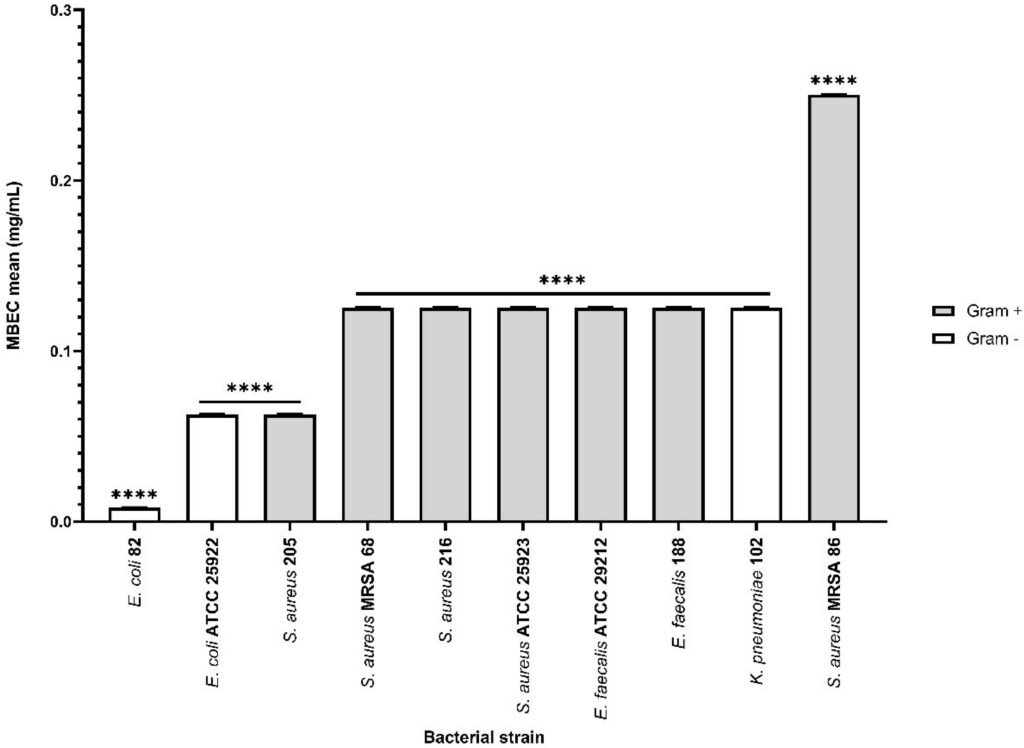
Figure 3 by by Dr. Lia-Mara Ditu and colleagues: Fighting Biofilms – The Winning Combo (aT:N)
- The Science: This compares the average MBEC values (mg/mL) for the aT:N combination against various bacteria. Lower bars indicate stronger biofilm inhibition16.
- Patient Takeaway: This is where the magic happens! The aT:N combo dramatically inhibited biofilm formation for all the tested HS-related strains (both Gram-positive and Gram-negative) at significantly lower concentrations than the individual compounds would likely achieve (based on Figure 9 showing limited individual effect). This highlights the powerful synergy between these two terpenes specifically against bacterial biofilms, a key target in chronic HS management.
What does this mean for you?
This synergy against biofilms is potentially the most significant finding regarding antimicrobial action in this study. Biofilms are like the hidden fortresses that keep the HS fire smoldering. Finding natural compounds that can prevent their formation in vitro, especially a combination like aT:N, offers a very promising strategy for long-term management that goes beyond what simple antibiotics can do.
Calming the Immune Storm: Can Natural Compounds Modulate Inflammation?
Beyond fighting bacteria, can these compounds influence the immune response itself? The researchers used macrophage immune cells (derived from THP-1 cells) to see if the compounds could alter the inflammatory signals triggered by bacteria (using a low, non-killing concentration of the compounds) [1].
What did they find? (Pathogens)
- Reduced Inflammatory Signals: Pathogenic bacteria strongly triggered pro-inflammatory cytokines like TNF-α (especially Gram-negatives). Treatment with the compounds generally reduced TNF-α. GA was effective against Gram-positive induced TNF-α, while N and aT seemed particularly effective against Gram-negative induced TNF-α. Similarly, Gram-negative bacteria induced high levels of IL-6, which was reduced by all compounds, especially GA.
A Proven natural Roadmap to Manage HS
Get the support and natural strategies you need for lasting relief and join a community that understands.
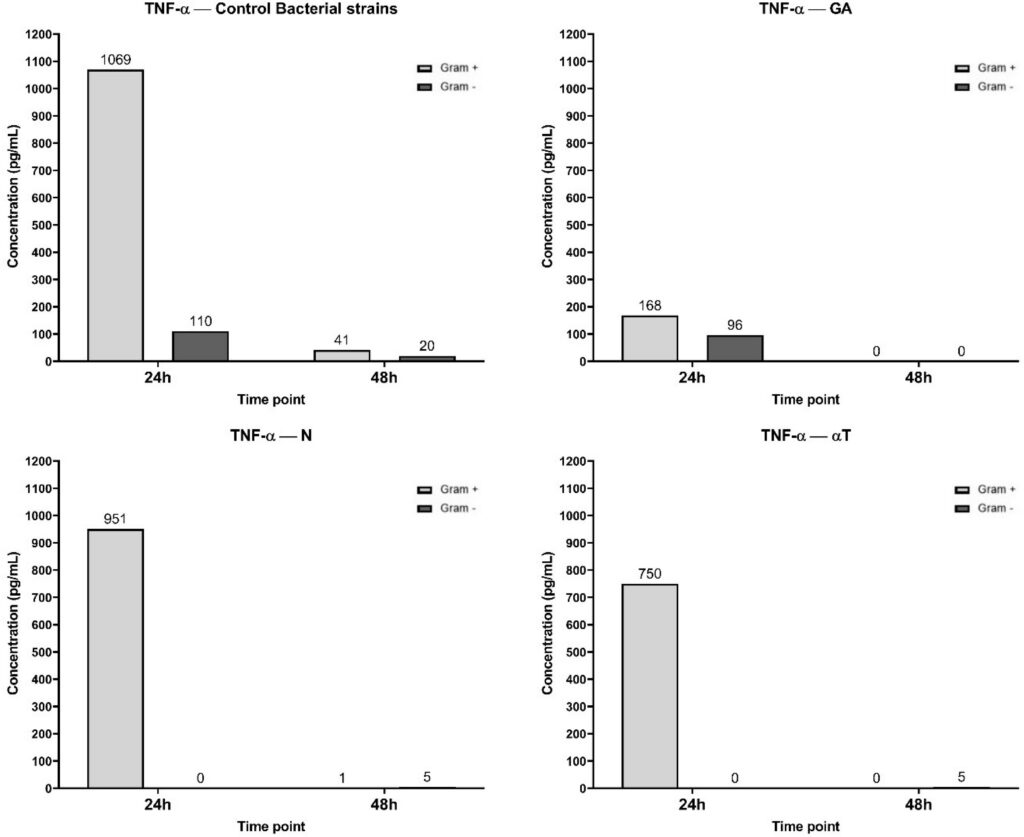
Figure 4 by by Dr. Lia-Mara Ditu and colleagues: Impact on TNF-α (Pro-Inflammatory Signal) – Pathogens
- The Science: These charts show TNF-α levels (pg/mL) produced by macrophages after 24h and 48h exposure to Gram-positive (grey bars) or Gram-negative (white bars) bacteria, either without treatment (Control) or with GA, N, or aT.
- Patient Takeaway: Bacteria trigger TNF-α, a major driver of HS inflammation. GA helped reduce TNF-α triggered by Gram-positives, while N and aT were very effective at reducing TNF-α triggered by Gram-negatives in this lab setting. This shows the compounds can directly calm this key inflammatory pathway in immune cells in vitro. Figure by Dr. Ditu and colleagues [1].
- Complex Effects: Effects on the anti-inflammatory IL-10 and the directing signal IL-12A were mixed, sometimes inhibitory or context-dependent, highlighting the complexity of immune modulation.
What does this mean for you?
In vitro (in test tubes), these natural compounds demonstrate direct anti-inflammatory potential by calming key signals like TNF-α and IL-6 from immune cells exposed to HS bacteria. This supports their possible role in managing flares. However, still remains the need for restoring overall immune balance, a core principle of the HS Arma approach, rather than just strongly blocking single pathways which can have unintended consequences.
The Probiotic Puzzle: Friend or Foe with Natural Compounds?
Combining natural compounds with probiotics is an interesting idea for HS treatment, but the results showed complexity [1].
What did they find? (LAB Strains)
- Strain Matters Greatly: Different LAB strains had vastly different immune effects in this model; Lc. lactis from dental plaque was highly pro-inflammatory, inducing significant TNF-α. Lb. rhamnosus from infant gut was largely neutral.
- Interactions Vary: GA sometimes increased inflammation when combined with certain LABs. However, Nerolidol (N) and α-Terpineol (aT) generally reduced TNF-α induced by LABs. The combination of Lb. paracasei (from sour cream) + aT was particularly effective at lowering TNF-α. Effects on other cytokines were also complex and strain-dependent.
A Proven natural Roadmap to Manage HS
Get the support and natural strategies you need for lasting relief and join a community that understands.
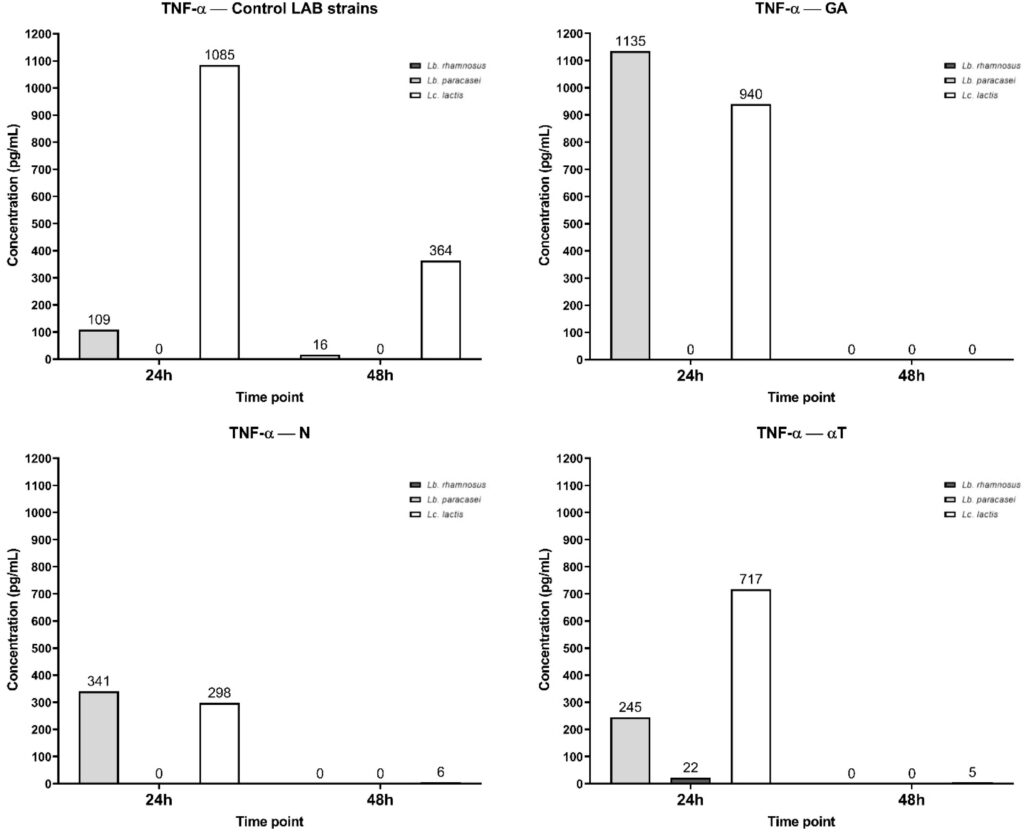
Figure 5 by by Dr. Lia-Mara Ditu and colleagues: Impact on TNF-α – Probiotics (LAB Strains)
- The Science: Similar to Figure 4, but using different LAB strains instead of pathogens. Lc. lactis triggered a very strong TNF-α response in the control. GA treatment increased TNF-α with Lc. lactis and Lb. paracasei. However, N and especially aT significantly reduced TNF-α, particularly when combined with Lb. paracasei.
- Patient Takeaway: This highlights two crucial points: 1) Different probiotics have vastly different immune effects (Lc. lactis acted as an inflammatory trigger here). 2) Specific combinations can be beneficial, the pairing of Lb. paracasei with aT showed real promise for reducing TNF-α in vitro. This points towards the need for highly specific, targeted probiotic and natural compound strategies, not a generic approach. Figure by Dr. Ditu and colleagues [1].
What does this mean for you?
This is a critical insight: probiotic effects are highly specific, and combinations play a role. A generic probiotic might not help or could even be problematic in the context of HS. However, the potential synergy between specific strains like Lb. paracasei and terpenes like α-Terpineol for reducing inflammation (in vitro) is very encouraging and warrants further study. This aligns with the personalized approach we take in the HS Arma community.
A Proven natural Roadmap to Manage HS
Get the support and natural strategies you need for lasting relief and join a community that understands.

The HS Arma Perspective: Integrating the Clues
This in vitro study provides exciting clues supporting the potential of natural agents in managing HS mechanisms [1]:
- Targeting Bacteria & Biofilms: Nerolidol and α-Terpineol (especially combined) show promise against HS bacteria and their protective biofilms.
- Modulating Inflammation: These compounds can directly influence immune cell responses to bacterial triggers, reducing key inflammatory signals.
- Potential Synergy: Specific combinations, like L. paracasei with α-Terpineol or Nerolidol, hint at ways to beneficially shift immune balance.
This aligns perfectly with the HS Arma philosophy of seeking effective, natural strategies. These compounds represent potential tools – natural treatments – targeting specific disease mechanisms like dysbiosis and inflammation pathways.
However, the “Knowledge Gap” remains clear. This is lab data! It shows potential, but it doesn’t translate directly to a treatment plan. We need in vivo studies to understand dosage, skin penetration, safety, and real-world effectiveness.
Our approach at HS Arma uses this kind of research as valuable input but always within our foundational framework:
- Putting Out the Fire First: Prioritizing nutrition and lifestyle changes to reduce the systemic inflammation that fuels HS. This addresses the root cause, creating an environment where dysbiosis and immune over-reaction are less likely.
- Targeted Natural Support: Considering science-backed natural compounds (like terpenes, potentially, based on emerging research like this) and specific probiotic strategies as complementary tools within a holistic plan, not as standalone cures.
- Personalization: Recognizing that immune responses are individual, requiring tailored strategies.
A Proven natural Roadmap to Manage HS
Get the support and natural strategies you need for lasting relief and join a community that understands.

Key Takeaways
- Natural Potential: Plant compounds Gallic Acid, α-Terpineol, and Nerolidol show in vitro promise against HS-related bacteria and inflammation.
- Biofilm Busters: The combination of α-Terpineol and Nerolidol was particularly effective at inhibiting difficult-to-treat bacterial biofilms in the lab.
- Immune Modulation: These compounds can reduce pro-inflammatory signals like TNF-α and IL-6 from immune cells stimulated by bacteria in vitro.
- Probiotic Synergy: Specific combinations, notably Lactobacillus paracasei with Nerolidol or α-Terpineol, showed potential for favourably modulating the immune response (in vitro).
- Lab Bench to Life: This is exciting early research, but more studies are crucial to confirm safety and effectiveness for treating HS in people.
Conclusion: Hope on the Horizon, Grounded in Foundational Health
This study is a valuable contribution, adding scientific weight to the exploration of natural compounds for HS [1]. The findings on α-Terpineol and Nerolidol against biofilms, and their potential synergy with probiotics like L. paracasei, are particularly noteworthy.
This research reinforces that the answers to managing HS may lie beyond conventional drugs alone. For those of us asking “Can you cure HS?“, it suggests that exploring targeted natural strategies, informed by science, can be a valuable part of a comprehensive approach. While these specific compounds require further investigation before becoming recommended treatments, they represent the kind of tools that can complement the essential, foundational work of healing your body from the inside out through diet, lifestyle, and restoring systemic balance. The journey to lasting remission is multifaceted, and science continues to uncover promising natural allies in our fight. 🙂
A Proven natural Roadmap to Manage HS
Get the support and natural strategies you need for lasting relief and join a community that understands.

References
[1] Badaluta, V.-A., Ionascu, A., Ditu, L.-M., Curutiu, C., Holban, A.-M., Oprea, E., Kourkoutas, Y., Mihai, M. M., Cucu, C. I., Hudita, A., Marinescu, F., & Lazar, V. (2025). Antimicrobial and immunomodulatory activity of natural bioactive compounds an in vitro investigation with potential applications in managing Hidradenitis Suppurativa. Frontiers in Immunology, 16, 1608269. https://doi.org/10.3389/fimmu.2025.1608269
Important Medical Disclaimer
1. Not Medical Advice: All content and information on this website is for informational and educational purposes only. It does not constitute medical advice and is not a substitute for professional diagnosis, treatment, or consultation with a qualified healthcare provider.
2. My Role and Qualifications: I am a biomedical scientist and PhD candidate and share information from that perspective, combined with my personal experience as a patient with Hidradenitis Suppurativa. However, I am not a medical doctor, physician, or registered healthcare professional. Do not consider our relationship a doctor-patient relationship.
3. Consult Your Doctor: Always seek the advice of your medical doctor or another qualified health professional with any questions you may have regarding a medical condition. Never disregard professional medical advice or delay seeking it because of something you have read on this website. If you suspect you are experiencing a medical emergency, or a severe infection, do not rely on this website or the HS Arma community, please call your local emergency services or go to the nearest emergency room immediately.
4. A Critical Warning on Medication: Pharmaceutical drugs are a crucial tool in managing Hidradenitis Suppurativa for many people. Under absolutely no circumstances should you ever alter, reduce, or stop taking your prescribed medication without the explicit direction of the doctor who prescribed it. Doing so can be dangerous. Always consult with your doctor before doing anything related to your treatment plan.
5. No Liability: Your use of this website and reliance on any information provided is solely at your own risk.
6. Individual Results May Vary: Every patient’s biological baseline, genetics, and adherence to the protocol is different. Therefore, I cannot guarantee specific results, cures, or timelines for your Hidradenitis Suppurativa.
7. Scientific and Expressive Freedom: The articles published on this blog are distinct from formal peer-reviewed academic literature. They serve as an independent platform for my personal viewpoints, scientific hypotheses, and philosophical reflections as an independent scientist and HS patient. While grounded in biomedical research, I exercise a degree of expressive freedom to translate rigid academic data into insights from a patient perspective. These writings are my personal meditations on the science of HS and should be read as my individual perspective, not as universally accepted clinical consensus or formal peer-reviewed literature.