
My name is Jaap, and I am a biomedical scientist that also used to live with severe Hidradenitis Suppurativa, the kind that takes over your life. Today, I am completely asymptomatic because I learned how to heal Hidradenitis Suppurativa from within. More importantly, I’ve had the privilege of helping many other individuals with HS get their lives back, too.
Introduction: When the Fire Rages Unchecked
Sometimes, the reality of Hidradenitis Suppurativa (HS) is almost too much to bear. It goes beyond painful flares; it becomes a life-altering siege. A recent case report published in Case Reports in Dermatology by Dr. Nawa Arif and Dr. Sylke Schneider-Burrus presents one such harrowing story—a man battling severe, progressive HS for two decades [1]. The images are graphic, the details are sobering, and the level of suffering described is profound.
If reading about such extreme cases fills you with dread, I understand completely. When you’re dealing with the daily reality of what is hidradenitis suppurativa, confronting the potential endpoint can be terrifying. But this post isn’t about fear. It’s about understanding, and through understanding, finding empowerment.
We’re going to respectfully examine this case study together. We’ll acknowledge the incredible medical interventions required to pull this patient back from the brink. But we’ll also ask the critical questions: Was this a cure, or a desperately needed crisis management? Does this intensive hidradenitis suppurativa treatment address the root cause, or just the devastating symptoms? This case highlights the devastating consequences when the internal fire of inflammation is allowed to burn unchecked for years, forcing reliance on extreme measures to silence the “smoke alarm.” It underscores why a proactive, root-cause approach is not just an option, but a necessity for true, lasting healing.
The Devastating Reality of Severe, Long-Standing HS
Before we discuss the treatment, it’s crucial to grasp the severity of the situation described in the report. We’re talking about a 49-year-old man who had lived with HS for 20 years. His condition wasn’t just persistent; it was actively worsening despite previous treatments, including the powerful biologic drug adalimumab combined with the antibiotic clindamycin.
His body was a battlefield:
- Extent: He had extensive, interconnected, and actively draining tunnels (sinus tracts) covering both buttocks, extending down his thighs, and around the perianal area. A massive 40cm lesion ravaged his left buttock. He even had lesions in atypical areas like his abdomen, chest, leg, and behind his ears. This represents the most severe end of the hidradenitis suppurativa stages, classified as Hurley Stage III.
- Pain & Quality of Life: His pain was described as severe, rated 8-9 out of 10 on the Numeric Rating Scale (NRS). His Dermatology Life Quality Index (DLQI) score was 19, indicating an extremely severe impact on his life. He suffered from extreme fatigue.
- Systemic Impact: The disease wasn’t confined to his skin. He suffered from heart failure and severe anaemia (low red blood cell count). Years of inflammation and immobility due to pain had led to joint contractures in his hip and knee, preventing him from fully extending his legs.
- Inflammation Markers: His blood work showed sky-high inflammatory markers, confirming the systemic nature of the assault.
This wasn’t just a skin condition; it was a systemic inflammatory crisis actively destroying his body and his quality of life. The images presented in the paper (Figure 1), though difficult to look at, are a stark reminder of how devastating unchecked HS can become.
A Proven natural Roadmap to Manage HS
Get the support and natural strategies you need for lasting relief and join a community that understands.
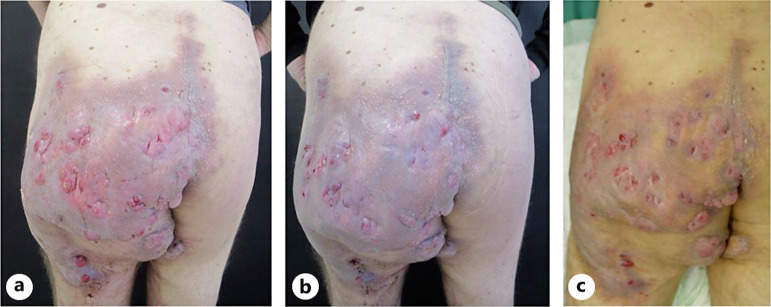
Figure 1: Visualizing the Severity Before Intervention. Figure by Dr. Arif and Dr. Schneider-Burrus.
- The Scientific Breakdown: These images (a, b, c) show the patient’s gluteal and femoral regions upon presentation and after 1 and 2 weeks of intravenous antibiotic (ertapenem) therapy. Even after antibiotics began reducing the surface inflammation (compare panel a to panel c), the sheer extent of the deep-seated disease, the massive swelling, scarring, and the network of lesions are devastatingly clear. This visual evidence underscores the Hurley Stage III classification and the profound tissue destruction that occurred over 20 years.
- What This Means For You: Seeing these images can be deeply unsettling, but they represent the endpoint of chronic, severe, system-wide inflammation that wasn’t adequately controlled at its root. This patient’s reality is a powerful motivator for why addressing HS proactively and fundamentally is so critical. It highlights the immense suffering caused when the disease progresses to this stage and the scale of intervention required to simply manage the damage.
A Proven natural Roadmap to Manage HS
Get the support and natural strategies you need for lasting relief and join a community that understands.
The Conventional “All Hands on Deck” Approach: Crisis Management
Faced with such a severe, life-impacting case where previous therapies had failed, the medical team implemented an intensive, multi-modal strategy focused on immediate crisis management. This involved:
- Controlling Acute Inflammation & Infection: The patient was hospitalized and given 14 days of intravenous ertapenem, a powerful broad-spectrum antibiotic, to rapidly reduce the massive bacterial load and acute inflammation. This prepared him for surgery.
- Addressing Comorbidities: His severe anaemia and heart failure were treated concurrently with iron infusions and erythropoietin (a hormone stimulating red blood cell production). Blood transfusions were needed after surgery.
- Extensive Surgical Excision: Once the acute inflammation subsided, surgeons performed a radical excision, removing the vast network of sinus tracts and scar tissue from his gluteal regions and left thigh. This required general anaesthesia.
- Wound Management & Skin Grafting: The large surgical wounds were initially left open to heal by secondary intention, managed with daily rinsing and calcium alginate dressings to promote granulation tissue (the new tissue that fills a wound). After four weeks, split-thickness skin grafts were performed to cover the areas.
- Post-Operative Antibiotics: To prevent recurrence of infection and inflammation, he received a combination of oral antibiotics (clindamycin, rifampicin, and metronidazole) for four weeks after the IV therapy.
- Switching Biologic Therapy: His anti-inflammatory treatment was switched from adalimumab (a TNF-α inhibitor) to secukinumab (an IL-17A inhibitor), administered twice monthly.
- Rehabilitation: Intensive physiotherapy was crucial to address the joint contractures caused by prolonged immobility.
The immediate results reported were significant: a marked reduction in pain (from 8-9/10 down to 3/10), an improvement in quality of life (DLQI from 19 to 10), successful healing of the surgical wounds, and improved mobility. Importantly, the paper notes no signs of progression or recurrence one year after surgery. It has to be said we should be grateful for modern science they are able to address these incredibly difficult and severe cases. It provides for al of us patients and incredibly effective safety net to fall back on but the at HS Arma we try to prevent this from happening in the first case.
A Proven natural Roadmap to Manage HS
Get the support and natural strategies you need for lasting relief and join a community that understands.
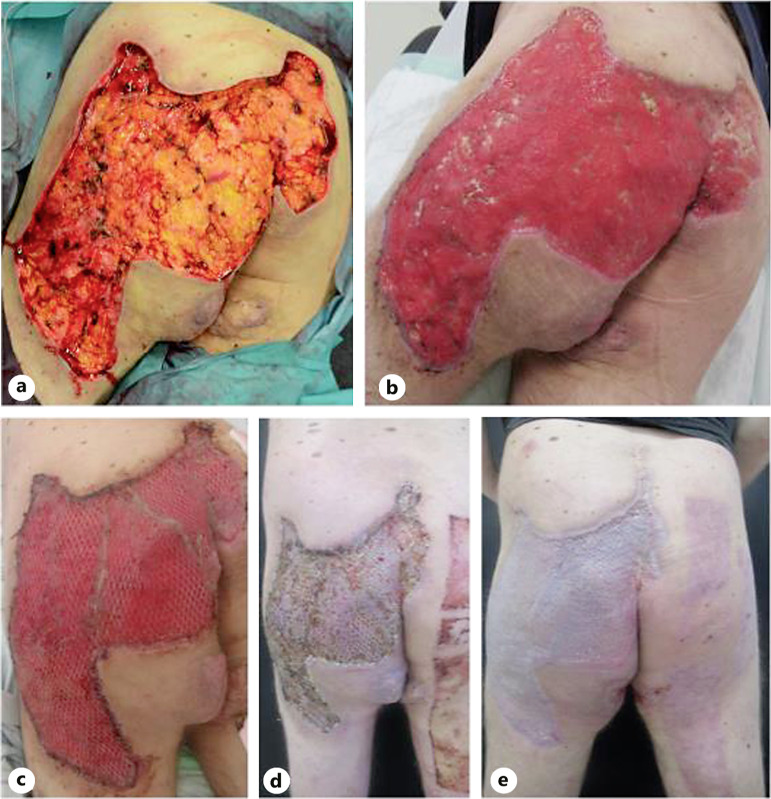
Figure 2: The Scale of Surgical Intervention. Figure by Dr. Arif and Dr. Schneider-Burrus.
- The Scientific Breakdown: These images (a-e) document the surgical process and healing. Panel (a) shows the extensive wound immediately after excision of the diseased tissue. Panel (b) shows the wound bed after four weeks of granulation. Panel (c) shows the application of the split-thickness skin graft. Panels (d) and (e) likely show stages of healing post-grafting (the legend in the original paper is minimal, but panel (e) appears to show the final result).
- What This Means For You: These images illustrate the sheer scale of surgical intervention required when HS reaches this level of severity. It involves removing vast areas of tissue, requiring complex wound care and grafting. While necessary in such extreme cases to remove the irreparably damaged tissue and sources of chronic infection, it highlights the physical toll and the importance of preventing the disease from ever reaching this stage through addressing its root causes.
The Knowledge Gap: Necessary Intervention vs. Root Cause Healing
Let me be absolutely clear: the medical and surgical intervention described in this case was likely necessary and life-saving. When the fire of inflammation has raged for so long, causing such extensive structural damage and systemic illness, extreme measures are required to control the immediate crisis. The medical team’s comprehensive approach and skill should be acknowledged and appreciated.
However, this is where we encounter the profound knowledge gap in the conventional approach to chronic diseases like HS. The entire focus of this intensive therapy, powerful antibiotics, targeted biologics, radical surgery, is downstream. It’s focused on managing the consequences of the disease: the bacteria, the specific inflammatory signals (TNF-α, then IL-17), and the damaged tissue.
It’s like encountering a house engulfed in flames. The firefighters (doctors) heroically spray water (antibiotics/biologics) and demolish the burnt sections (surgery) to stop it from collapsing. They successfully manage the crisis. But did anyone investigate the faulty wiring in the basement (the root cause of systemic inflammation) that started the fire in the first place?
The report calls the outcome successful because the patient’s immediate symptoms improved, and there was no recurrence within one year. But did this combination therapy heal the underlying condition? Did it fix the systemic immune dysregulation that allowed HS to develop and persist for 20 years? The paper doesn’t, and can’t, answer that question.
- Antibiotics: Address secondary bacterial involvement but not the primary immune dysfunction.
- Biologics (TNF-α or IL-17 inhibitors): Block one specific pathway in a complex inflammatory network, acting as a powerful shield but not extinguishing the source of the inflammation. Tolerance can develop, or inflammation can find other pathways (as possibly suggested by the failure of adalimumab in this case).
- Surgery: Removes the result of chronic inflammation (damaged tissue, tunnels) but does nothing to prevent the cause of inflammation from creating new lesions elsewhere or even recurring in the same area later.
The fact that this patient required such extreme measures after 20 years, despite previous treatments, is a testament to the failure of the system to address the root cause earlier. This case represents the endpoint of a purely symptom-management approach. While the intervention provided crucial relief, defining it as a complete success without addressing the underlying systemic drivers raises critical questions about long-term outcomes and the potential for recurrence years down the line.
The HS Arma Philosophy: Building Resilience Beyond the Crisis
This case study, in its severity, makes the strongest possible argument for the HS Arma philosophy. While conventional medicine focuses on the “shields” (drugs and surgery), our approach prioritizes building the arma, addressing the root causes of inflammation to create a resilient body where HS struggles to thrive.
We believe the foundational work is the main treatment. At HS Arma, we focus on highly effective evidence-based nutrition and lifestyle change, and natural therapies and practices. Pharmaceuticals and surgery are powerful tools, sometimes necessary as temporary shields, especially in crises like the one described. But the ultimate goal is to put out the internal fire so these shields become less necessary, or ideally, completely unnecessary.
Even for someone who has endured severe, long-standing HS and required extensive surgery, adopting a root-cause approach is crucial for:
- Preventing Recurrence: Surgery doesn’t stop the systemic inflammation. Addressing diet, gut health, stress, and other triggers is the only way to minimize the risk of the fire restarting in a new location.
- Supporting Healing: Reducing systemic inflammation helps the body heal more effectively from surgery and reduces the risk of complications.
- Improving Overall Health: HS is a systemic disease often linked to other conditions (like this patient’s heart failure and anaemia). A foundational approach improves overall health, addressing the shared inflammatory roots of these comorbidities.
- Enhancing Quality of Life: True quality of life isn’t just about reducing pain; it’s about restoring vitality, energy, and resilience, which comes from healing the system, not just managing the symptoms.
Our approach involves building your defenses, layer by layer:
- Foundational Nutrition: Identifying personal inflammatory triggers and nourishing the body to calm the immune system.
- Strategic Lifestyle Changes: Managing stress, optimizing sleep, quitting smoking, and reducing environmental toxins that fuel inflammation.
- Natural Therapies & Skincare: Using science-backed natural compounds and topical care to support immune balance and skin healing.
- Accountability & Support: Providing the guidance and community needed to sustain these changes long-term.
- Targeted Medical Testing: Empowering you with information to understand your unique physiology and work more effectively with your doctors.
This case is a stark reminder that waiting until the house is fully engulfed in flames makes the battle exponentially harder. The HS Arma approach is about starting the foundational work now, regardless of your current stage, to prevent progression and build a future free from the tyranny of this disease.
Key Takeaways
- Severe HS is a Systemic Crisis: This case illustrates how long-standing, undertreated HS can lead to devastating tissue destruction, severe pain, immobility, and systemic comorbidities like anaemia and heart issues.
- Combined Therapy Manages Crises: In extreme cases, a combination of potent antibiotics, biologics, and radical surgery may be necessary to control acute inflammation and remove irreparable damage, providing significant short-term relief.
- Crisis Management Isn’t a Cure: While immediately effective, these downstream interventions target symptoms and damage, not the root cause of the systemic inflammation driving HS. Long-term recurrence remains a high risk if the underlying fire isn’t addressed.
- Root Cause Healing is Essential: True, lasting remission requires a foundational, inside-out approach focused on identifying and removing inflammatory triggers through diet, lifestyle, and natural therapies to calm the immune system systemically.
A Proven natural Roadmap to Manage HS
Get the support and natural strategies you need for lasting relief and join a community that understands.
Conclusion: Hope Beyond the Crisis
This case report is a powerful testament to both the devastating potential of Hidradenitis Suppurativa and the remarkable capabilities of modern medicine to intervene in a crisis. We must appreciate the skill and dedication required to manage such a complex situation.
However, it also serves as a crucial lesson. The “success” described is the success of silencing a deafening smoke alarm and clearing the immediate wreckage. It is not necessarily the success of putting out the fire for good. The fact that this patient endured 20 years of progression to reach this point highlights a systemic failure to address the root cause much earlier.
So, can you cure HS? Perhaps not in the sense of erasing the predisposition. But can you achieve a deep, lasting remission where the fire goes out and stays out? Absolutely. This case, in its extremity, underscores the urgency of starting that foundational work today. Don’t wait until the fire is out of control. Begin building your HS Arma now. Learn how to treat Hidradenitis Suppurativa naturally, address the systemic inflammation, and give your body the chance to heal itself from the inside out. Remission is possible, even after the darkest battles.
Reference
- [1] Arif, N., & Schneider-Burrus, S. (2025). A Recalcitrant Case of Hidradenitis Suppurativa: Successful Combination of Biologic, Antibiotic, and Surgical Therapy. Case Reports in Dermatology, 17, 268-273. https://doi.org/10.1159/000546384
Important Medical Disclaimer
1. Not Medical Advice: All content and information on this website is for informational and educational purposes only. It does not constitute medical advice and is not a substitute for professional diagnosis, treatment, or consultation with a qualified healthcare provider.
2. My Role and Qualifications: I am a biomedical scientist and PhD candidate and share information from that perspective, combined with my personal experience as a patient with Hidradenitis Suppurativa. However, I am not a medical doctor, physician, or registered healthcare professional. Do not consider our relationship a doctor-patient relationship.
3. Consult Your Doctor: Always seek the advice of your medical doctor or another qualified health professional with any questions you may have regarding a medical condition. Never disregard professional medical advice or delay seeking it because of something you have read on this website. If you suspect you are experiencing a medical emergency, or a severe infection, do not rely on this website or the HS Arma community, please call your local emergency services or go to the nearest emergency room immediately.
4. A Critical Warning on Medication: Pharmaceutical drugs are a crucial tool in managing Hidradenitis Suppurativa for many people. Under absolutely no circumstances should you ever alter, reduce, or stop taking your prescribed medication without the explicit direction of the doctor who prescribed it. Doing so can be dangerous. Always consult with your doctor before doing anything related to your treatment plan.
5. No Liability: Your use of this website and reliance on any information provided is solely at your own risk.
6. Individual Results May Vary: Every patient’s biological baseline, genetics, and adherence to the protocol is different. Therefore, I cannot guarantee specific results, cures, or timelines for your Hidradenitis Suppurativa.
7. Scientific and Expressive Freedom: The articles published on this blog are distinct from formal peer-reviewed academic literature. They serve as an independent platform for my personal viewpoints, scientific hypotheses, and philosophical reflections as an independent scientist and HS patient. While grounded in biomedical research, I exercise a degree of expressive freedom to translate rigid academic data into insights from a patient perspective. These writings are my personal meditations on the science of HS and should be read as my individual perspective, not as universally accepted clinical consensus or formal peer-reviewed literature.