

My name is Jaap, and I am a biomedical scientist that also used to live with severe Hidradenitis Suppurativa, the kind that takes over your life. Today, I am completely asymptomatic because I learned how to heal Hidradenitis Suppurativa from within. More importantly, I’ve had the privilege of helping many other individuals with HS get their lives back too.
A Proven natural Roadmap to Manage HS
Get the support and natural strategies you need for lasting relief and join a community that understands.

It’s a question that lives in the darkest corners of our minds, one we rarely dare to ask out loud: can hidradenitis suppurativa kill you?
For most of us, the daily battle is with pain, drainage, and exhaustion. But for those with very long-standing, severe, and widespread disease, there is a rare but serious risk we need to talk about: squamous cell carcinoma (SCC), a type of skin cancer, arising from chronic HS lesions [1, 2, 7].
It’s a terrifying thought. And it’s a reality that was highlighted in a recent, sobering case report published in the journal Cureus.
Today, I want to walk you through this case, not to scare you, but to empower you. As a scientist and a person who has healed from severe HS, I believe this story contains one of the most critical lessons on our journey,a lesson about vigilance, and about the profound difference between downstream shields and true, upstream healing.
This is a story about what I call the Neglected Territory. It’s the ultimate argument for why our approach to how to treat hidradenitis suppurativa must be about more than just managing inflammation; it must be about reclaiming our health from the ground up.
A Proven natural Roadmap to Manage HS
Get the support and natural strategies you need for lasting relief and join a community that understands.

A 20-Year War: The “Neglected Territory”
I want to first express my gratitude to Dr. Yuto Yamamura and his colleagues at Kindai University Hospital in Japan for publishing this crucial report. They detail the case of a man in his 50s who had been battling severe, Hurley stage III hidradenitis suppurativa (HS) for 20 years.
Think about that for a moment. Twenty years.
For two decades, his body, particularly his buttocks and perineum, was a constant warzone. This is the reality for many with hidradenitis suppurativa stages II and III. This chronic inflammation creates a Neglected Territory, a patch of land so ravaged by decades of chaotic war that the body’s normal laws and patrols (immune surveillance) have broken down. The tissue is scarred, the immune cells are exhausted and dysfunctional, and the environment has become a lawless state.
And in a lawless state, outlaws, like cancer cells, can sometimes take root and thrive. This isn’t just a metaphor; it’s a documented risk. A recent systematic review identified HS-associated SCC in up to 4.6% of patients with long-standing Hurley stage III disease [8]. Another nationwide Danish cohort study confirmed a significantly increased overall cancer incidence in patients with HS [9].
This patient, who was also a smoker (a major risk factor for HS), had a chronic 5 cm ulcerative lesion in this territory that had persisted for about three months. It was a non-healing wound in the middle of a 20-year-old warzone.
A Proven natural Roadmap to Manage HS
Get the support and natural strategies you need for lasting relief and join a community that understands.

A New Shield and an Alarming Event
To control his severe, uncontrolled HS, the patient was started on a new, powerful hidradenitis suppurativa medication called bimekizumab.
This drug is one of the newer biologics, a powerful “shield”. It’s a highly specific “sniper” designed to take out a key inflammatory messenger, Interleukin-17 (IL-17). For many, this hidradenitis suppurativa treatment can be life-changing, and biologics have become standard treatments for severe HS [3]. The clinical trials for bimekizumab, for instance, showed it was generally safe and effective [6].
But in this man’s case, something terrifying happened.
Within two to four months of starting the new drug, that chronic 5 cm ulcer exploded. It underwent rapid, exophytic growth, ballooning into a 15 cm-wide ulcerating tumor.
The doctors, faced with this alarming change, immediately discontinued the biologic and performed a biopsy. The results confirmed their fears.
A Proven natural Roadmap to Manage HS
Get the support and natural strategies you need for lasting relief and join a community that understands.
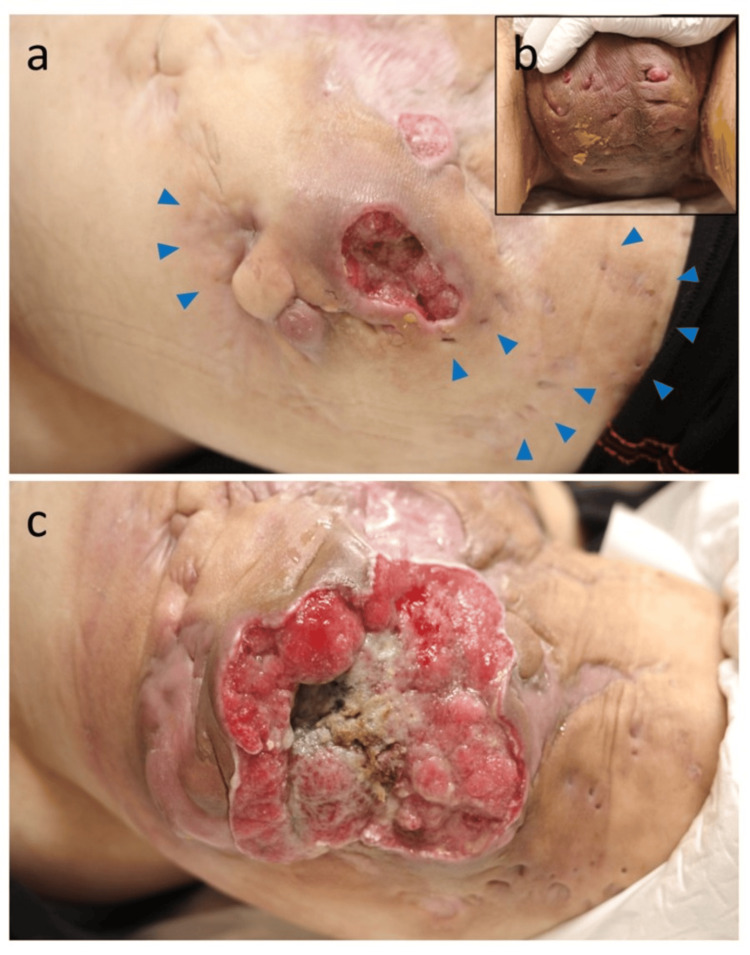
Figure 1 Legend: Figure by Dr. Yuto Yamamura and colleagues. These images show the clinical progression.
- (a) This is the chronic 5 cm ulcerative lesion on the left trochanter before bimekizumab therapy. It was already a significant, non-healing wound in an area of long-standing HS.
- (b) This shows severe Hurley stage III HS on the scrotum, demonstrating the widespread and chronic nature of the patient’s disease.
- (c) This is the same lesion from panel (a) just four months after starting bimekizumab. It has dramatically enlarged to 15 cm, becoming a large, exophytic tumor.
- Key Takeaway: This visual sequence is a powerful and sobering demonstration of the rapid acceleration of a pre-existing lesion into a large tumor, prompting the urgent need for a biopsy.
The Diagnosis: When Chronic Inflammation Hides an ‘Outlaw’
The biopsy confirmed it was an invasive, high-grade squamous cell carcinoma (SCC). The outlaw had officially taken over the Neglected Territory.
It’s a critical point that every single person with HS needs to hear: recognizing malignant transformation can be challenging, as the cancer can be masked by chronic inflammation and scarring [1, 10].
In other words, a new cancerous growth can look and feel just like “more HS.”
A Proven natural Roadmap to Manage HS
Get the support and natural strategies you need for lasting relief and join a community that understands.
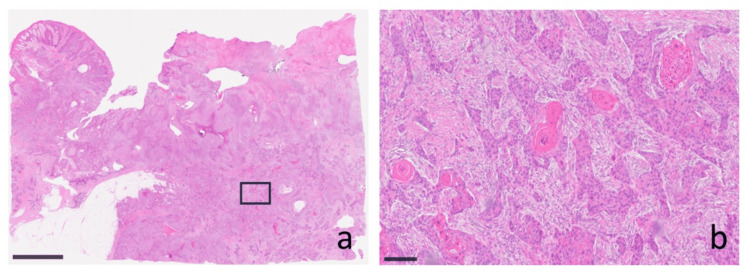
Figure 2 Legend: Figure by Dr. Yuto Yamamura and colleagues. This is the microscopic proof from the lab.
- (a) This low-power view shows the tumor (the dense purple-pink mass) is both exophytic (growing outward) and “infiltrative” (diving deep into the dermis and subcutaneous tissue). The surrounding tissue shows fibrosis (scarring) and chronic inflammation.
- (b) This high-power view shows the hallmarks of well-differentiated SCC: atypical squamous cells (cancer cells) with “keratin pearls” (pink swirls).
- Key Takeaway: This confirms that the rapid growth seen in Figure 1c was, in fact, an aggressive, invasive cancer that had developed within the Neglected Territory of his chronic HS.
Thankfully, the story has a hopeful turn. The patient underwent wide surgical excision to remove the tumor, and at a three-month follow-up, he was free of recurrence.
The Knowledge Gap: Are We Asking the Right Question About HS Treatment?
This case report is the first of its kind to associate bimekizumab with the development of an HS-associated SCC. This naturally leads to the big “downstream” question: Did the drug cause or accelerate the cancer?
The authors are rightly very cautious.
- They state causality cannot be established from one case.
- They note that large-scale studies on IL-17 inhibitors have not shown an overall increased risk of malignancy [4, 12].
- The cancer arose from a lesion that was already present before the drug was ever started.
This is where we hit the Knowledge Gap of conventional medicine. The focus of the discussion is on the drug, the “shield.” While some older biologics like TNF-alpha inhibitors have been associated with cancer in rare case reports [5], newer IL-17 inhibitors are generally considered to have a low risk [12]. In fact, the IL-17 signal itself has a very complex role in cancer, sometimes even promoting tumor growth in certain contexts [11].
But as a scientist looking upstream, I have to argue we are asking the wrong question.

The right question is not, "Did the new shield fail or make it worse?" The real question is: "Why was this man's body in a 'Neglected Territory' state—a precancerous state—for 20 years?"

Where was the "upstream" plan? This patient had two massive, known risk factors: 20 years of severe HS and a history of smoking. Where was the intensive nutritional counseling? The gut health protocol? The targeted lifestyle support to help him quit smoking?

This is the gap. He was given a shield, but no one was helping him end the war.
A Proven natural Roadmap to Manage HS
Get the support and natural strategies you need for lasting relief and join a community that understands.

HS Arma: How to Treat Hidradenitis Suppurativa by Reclaiming the Territory
This case, while terrifying, is the single most powerful argument I have ever seen for the HS Arma philosophy. It shows the potential, long-term endpoint of a purely downstream approach.
A drug, no matter how advanced, is a shield. It blocks a signal, an inflammatory messenger. It does not, and cannot, fix the upstream reason your body is screaming in the first place.
Treating HS naturally is not about ignoring medicine. It’s about pacifying the territory so you don’t have to live in a lawless state, dependent only on a shield.
At HS Arma, this is our entire mission. The natural treatment of HS is the “upstream” work. It’s the 5-Layer approach to systematically end the war:
- Foundational Nutrition: Identifying your specific inflammatory food triggers that are fueling the fire.
- Strategic Lifestyle Changes: Aggressively managing stress, optimizing sleep, and stopping things like smoking, which this case tragically highlights as a key factor.
- Natural Therapies: Using evidence-based tools to support your immune system and skin barrier.
- Targeted Medical Testing: Looking under the hood for the root causes, is it a gut imbalance? A hormonal fire?
- Accountability & Support: Having a guide and a community so you don’t have to fight this 20-year battle alone.
This is how to treat HS at its core. It’s about rebuilding your body’s foundation so that it is no longer an “immunocompromised district,” but a healthy, resilient, and “policed” territory where outlaws cannot take root.
A Proven natural Roadmap to Manage HS
Get the support and natural strategies you need for lasting relief and join a community that understands.

Key Takeaways
This is a heavy topic, so let’s be crystal clear on the lessons. This is not about being anti-drug. This is about being pro-root-cause and pro-vigilance.
- HS is a Precancerous Condition (Rarely): Long-standing (decades), severe (Hurley III) HS is a known risk factor for aggressive SCC [1, 2, 7, 10].
- VIGILANCE IS EVERYTHING: This is the most important message. If you have a chronic HS lesion, especially one that is non-healing, changing, hardened, or rapidly growing, you must see your dermatologist immediately for a biopsy. This case shows things can change fast.
- Causality is NOT Proven: This case does not prove that bimekizumab or other IL-17 inhibitors cause cancer. Large studies show they are generally safe [4, 6, 12].
- This is an Upstream Problem: This case is a powerful argument for an upstream approach. A 20-year Neglected Territory is the real problem. The natural treatments of HS is your toolkit for reclaiming that territory.
Can You Cure HS? It Starts with Reclaiming Your Territory.
So, can you cure HS?
This sobering story touches on our deepest fears. But it must not be a story of despair. It is a powerful, urgent call to action.
It is a call to be relentlessly vigilant with our own bodies.
It is a call to demand more from our hidradenitis suppurativa specialists than just “downstream” shields.
And most importantly, it is a call to empower ourselves.
The ultimate answer to how to treat hidradenitis suppurativa is not to just find a stronger shield. It’s to do the foundational upstream work of healing the body, pacifying the inflammation, and transforming that Neglected Territory back into a place of health.
Remission is possible. And that is the true path to long-term safety and freedom.
A Proven natural Roadmap to Manage HS
Get the support and natural strategies you need for lasting relief and join a community that understands.

References
- Chapman S, Delgadillo D II, Barber C, Khachemoune A: Cutaneous squamous cell carcinoma complicating hidradenitis suppurativa: a review of the prevalence, pathogenesis, and treatment of this dreaded complication. Acta Dermatovenerol Alp Pannonica Adriat. 2018, 27:25-8.
- Constantinou C, Widom K, Desantis J, Obmann M: Hidradenitis suppurativa complicated by squamous cell carcinoma. Am Surg. 2008, 74:1177-81.
- Zouboulis CC, Bechara FG, Benhadou F, et al.: European S2k guidelines for hidradenitis suppurativa/acne inversa part 2: treatment. J Eur Acad Dermatol Venereol. 2025, 39:899-941. 10.1111/jdv.20472
- Vangilbergen M, Stockman A, Van De Velde A, Garmyn M, Punie K, Hillary T: The role of interleukin-17 and interleukin-23 inhibitors in the development, progression, and recurrence of cancer: a systematic review. JAAD Int. 2024, 17:71-9. 10.1016/j.jdin.2024.06.006
- Scheinfeld N: A case of a patient with stage III familial hidradenitis suppurativa treated with 3 courses of infliximab and died of metastatic squamous cell carcinoma. Dermatol Online J. 2014, 20:17. 10.5070/d3203021764
- Kimball AB, Jemec GB, Sayed CJ, et al.: Efficacy and safety of bimekizumab in patients with moderate-to-severe hidradenitis suppurativa (BE HEARD I and BE HEARD II): two 48-week, randomised, double-blind, placebo-controlled, multicentre phase 3 trials. Lancet. 2024, 403:2504-19. 10.1016/S0140-6736(24)00101-6
- Racanelli E, Jfri A, Gefri A, et al.: Cutaneous squamous cell carcinoma in patients with hidradenitis suppurativa. Cancers (Basel). 2021, 13:1153. 10.3390/cancers13051153
- Abu Rached N, Rüth J, Gambichler T, Ocker L, Bechara FG: A state-of-the-art systematic review of cancer in hidradenitis suppurativa. Ann Med. 2024, 56:2382372. 10.1080/07853890.2024.2382372
- Andersen R, Rostgaard K, Pedersen O, Jemec GB, Hjalgrim H: Increased cancer incidence among patients with hidradenitis suppurativa – a Danish nationwide register study 1977-2017. Acta Oncol. 2024, 63:220-8. 10.2540/1651-226X.2024-26182
- Li Pomi F, Macca L, Motolese A, Ingrasciotta Y, Berretta M, Guarneri C: Neoplastic implications in patients suffering from hidradenitis suppurativa under systemic treatments. Biomedicines. 2021, 9:1594. 10.3390/biomedicines9111594
- Zhang X, Li B, Lan T, Chiari C, Ye X, Wang K, Chen J: The role of interleukin-17 in inflammation-related cancers. Front Immunol. 2024, 15:1479505. 10.3389/fimm.2024.1479505
- Kridin K, Abdelghaffar M, Mruwat N, Ludwig RJ, Thaçi D: Are interleukin 17 and interleukin 23 inhibitors associated with malignancies?-insights from an international population-based study. J Eur Acad Dermatol Venereol. 2024, 38:315-24. 10.1111/jdv.19520
Important Medical Disclaimer
1. Not Medical Advice: All content and information on this website is for informational and educational purposes only. It does not constitute medical advice and is not a substitute for professional diagnosis, treatment, or consultation with a qualified healthcare provider.
2. My Role and Qualifications: I am a biomedical scientist and PhD candidate and share information from that perspective, combined with my personal experience as a patient with Hidradenitis Suppurativa. However, I am not a medical doctor, physician, or registered healthcare professional. Do not consider our relationship a doctor-patient relationship.
3. Consult Your Doctor: Always seek the advice of your medical doctor or another qualified health professional with any questions you may have regarding a medical condition. Never disregard professional medical advice or delay seeking it because of something you have read on this website. If you suspect you are experiencing a medical emergency, or a severe infection, do not rely on this website or the HS Arma community, please call your local emergency services or go to the nearest emergency room immediately.
4. A Critical Warning on Medication: Pharmaceutical drugs are a crucial tool in managing Hidradenitis Suppurativa for many people. Under absolutely no circumstances should you ever alter, reduce, or stop taking your prescribed medication without the explicit direction of the doctor who prescribed it. Doing so can be dangerous. Always consult with your doctor before doing anything related to your treatment plan.
5. No Liability: Your use of this website and reliance on any information provided is solely at your own risk.
6. Individual Results May Vary: Every patient’s biological baseline, genetics, and adherence to the protocol is different. Therefore, I cannot guarantee specific results, cures, or timelines for your Hidradenitis Suppurativa.
7. Scientific and Expressive Freedom: The articles published on this blog are distinct from formal peer-reviewed academic literature. They serve as an independent platform for my personal viewpoints, scientific hypotheses, and philosophical reflections as an independent scientist and HS patient. While grounded in biomedical research, I exercise a degree of expressive freedom to translate rigid academic data into insights from a patient perspective. These writings are my personal meditations on the science of HS and should be read as my individual perspective, not as universally accepted clinical consensus or formal peer-reviewed literature.