

My name is Jaap, and I am a biomedical scientist that also used to live with severe Hidradenitis Suppurativa, the kind that takes over your life. Today, I am completely asymptomatic because I learned how to heal Hidradenitis Suppurativa from within. More importantly, I’ve had the privilege of helping many other individuals with HS get their lives back, too.
Introduction: The Worry We Carry
If you’re living with Hidradenitis Suppurativa (HS) and thinking about starting or growing your family, the questions and worries can feel overwhelming. Does this disease affect pregnancy? Could it harm the baby? For years, the answers have been frustratingly unclear, with different studies offering conflicting information. It’s a heavy burden to carry, adding another layer of stress to an already challenging condition.
But science is finally starting to provide clearer answers. A new study by David P. Walsh [1] tackles this question head-on, analyzing data from a huge number of pregnancies to understand the real impact of HS on pregnancy outcomes. Today, we’re going to walk through this important research together. We’ll break down what the scientists found, what it means for you, and how this knowledge reinforces the importance of addressing the root causes of Hidradenitis Suppurativa, not just for your skin, but for your overall health and potentially your future family. This is about turning fear into informed hope and understanding how to treat Hidradenitis Suppurativa holistically.
HS and Pregnancy: Why the Concern?
Before diving into the new study, let’s understand why there’s concern in the first place. We know Hidradenitis Suppurativa isn’t just a simple skin issue. It’s a systemic inflammatory disease, meaning the fire of inflammation isn’t just in our skin; it affects our whole body. The immune system, particularly a type of cell called Th17, is in overdrive, pumping out inflammatory signals like Interleukin-17 (IL-17).
Why does this matter for pregnancy? Pregnancy itself requires a delicate immune balance. Too much inflammation, especially the kind driven by Th17 cells, has been linked to problems like recurrent pregnancy loss and preterm birth in other contexts. Given that HS involves this exact type of inflammation, it’s logical to ask if it could create a challenging environment for a successful pregnancy.
Previous research on HS and pregnancy has been a mixed bag. Some smaller studies found no significant difference in miscarriage or stillbirth rates compared to the general population, while others suggested increased risks for things like C-sections or miscarriage when looking at large databases referenced by Walsh. This lack of clarity has left many HS patients feeling uncertain and anxious.
What Did This New Large-Scale Study Find?
This is where the new research by Walsh comes in. Instead of looking at a small group, the researchers used a massive healthcare database (Cerner Health Facts®) and a validated algorithm to identify over 1.5 million pregnancies. Within this huge group, they found 3,475 pregnancies associated with HS patients.
Crucially, they didn’t just compare HS pregnancies to others; they used sophisticated statistical methods (multinomial logistic regression) to account for other health conditions that could also affect pregnancy outcomes, like thyroid disease, Polycystic Ovarian Syndrome (PCOS), Antiphospholipid Syndrome (APS), and other inflammatory diseases (such as inflammatory bowel disease, psoriasis, lupus, and rheumatoid arthritis). This helps isolate the specific impact of HS itself.
The findings were statistically significant and pointed in a clear direction:
- HS is Linked to Outcome Type: A Chi-square test showed a definite statistical association between having HS and the type of pregnancy outcome $(p<0.001)$, although the overall effect size was small (Cramer’s V = 0.007).
- Increased Odds of Negative Outcomes: When controlling for other conditions, the multinomial logistic regression revealed that having HS significantly increased the odds of several negative pregnancy outcomes compared to having a live birth:
- Spontaneous Abortion (Miscarriage): Odds increased by 14% (Odds Ratio [OR] 1.140).
- Ectopic Pregnancy: Odds increased by 73.2% (OR 1.732).
- Therapeutic Abortion: Odds increased by 52.9% (OR 1.529).
- Stillbirth: Odds increased by 76.2% (OR 1.762).
The study also included a visual representation (Figure 1) showing these associations from the initial Chi-square analysis.
A Proven natural Roadmap to Manage HS
Get the support and natural strategies you need for lasting relief and join a community that understands.
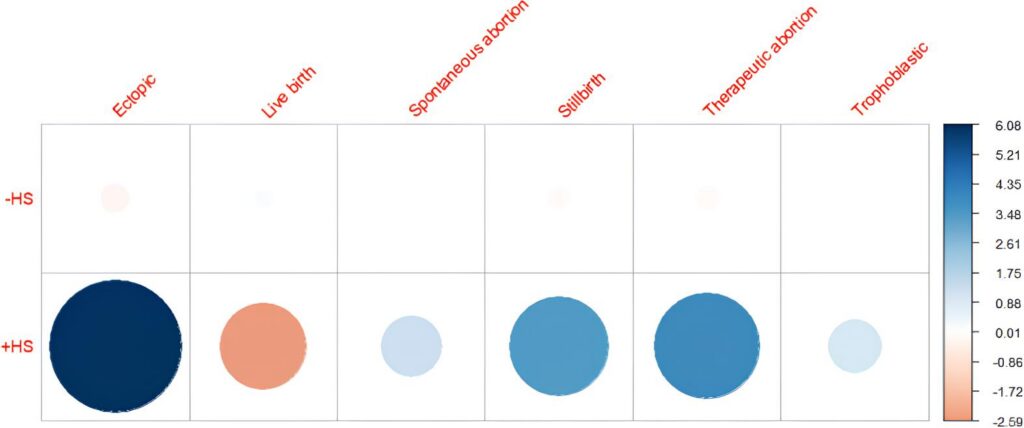
Figure 1: Visualizing the Link Between HS and Pregnancy Outcomes. Figure 1 by David P. Walsh.
- The Science: This chart, called a residual plot, visually summarizes the results of the Chi-square test. It shows how strongly each pregnancy outcome type is associated with having HS. The size of the circle indicates the strength of the association, and the color indicates the direction. Blue circles mean a positive association (the outcome is more likely in HS patients compared to non-HS patients), while red/orange circles mean a negative association (the outcome is less likely).
- What It Means For You: Look at the bottom row labeled +HS. You can see large blue circles for Ectopic, Spontaneous abortion, Stillbirth, and Therapeutic abortion, visually confirming the statistical finding that these negative outcomes are positively associated with HS. Conversely, there’s a large orange circle for Live birth, indicating a negative association, meaning live birth outcomes were less represented in the HS group compared to expectations if there were no association. This graph provides a clear, visual snapshot supporting the study’s main conclusion: HS is linked to a higher likelihood of several adverse pregnancy outcomes.
Connecting the Dots: The Inflammation Link
How do we explain these findings? The study suggests that the underlying systemic inflammation in HS – that internal fire driven by the Th17/Treg imbalance – might create a detrimental environment for the developing embryo. This aligns with what we know about the importance of immune balance during pregnancy. It’s plausible that the constant inflammatory signals in an HS patient’s body interfere with the delicate processes needed for a healthy pregnancy to establish and thrive.
The increased odds of therapeutic abortion might also connect to the known link between HS and depression, although the precise reasons weren’t captured in this data. The significant mental health burden of HS could be a contributing factor in some cases.
The findings on increased ectopic pregnancy and stillbirth risk appear novel compared to some previous literature Walsh reviewed. The researchers suggest this might be due to their larger sample size and careful control for confounding factors. It’s also possible that the same inflammatory imbalances contributing to early pregnancy loss could play a role in later-term complications like stillbirth, perhaps through links to preterm birth mechanisms discussed in other research.
The “Knowledge Gap” & Conventional Limitations
While this study provides valuable insights, it’s important to acknowledge its limitations, as the author does. Retrospective data can contain inaccuracies, not all relevant factors (like BMI and smoking, which often have recording inconsistencies in large databases) could be included, and the database only captures information from specific facilities contributing to Cerner Health Facts®. Also, many early miscarriages happen outside hospitals and aren’t recorded.
More importantly, this research highlights a significant knowledge gap in the conventional management of HS, particularly concerning pregnancy. The study confirms that HS increases risks, but what’s the solution? Conventional medicine focuses on managing the smoke, the HS flares and symptoms. Powerful biologic drugs targeting IL-17 can be effective for HS, but current guidelines often recommend against their use during pregnancy due to limited safety data, although some recent reports on specific drugs like secukinumab in psoriasis patients haven’t shown adverse effects. This leaves patients in a difficult position.
This is where the conventional model, focused on downstream symptom suppression, falls short. It identifies the risk but offers limited proactive strategies, especially for those planning a family.
The HS Arma Philosophy: Building Resilience Before the Journey
This research powerfully underscores the HS Arma philosophy: how to treat Hidradenitis Suppurativa effectively means addressing the root cause, the underlying systemic inflammation, the internal “fire.” The findings suggest that this fire doesn’t just impact our skin; it can potentially affect other crucial aspects of our health, including reproductive outcomes.
Instead of just managing the smoke (lesions), our focus is on putting out the fire. This involves:
- Foundational Nutrition: Identifying personal food triggers and adopting an anti-inflammatory diet to starve the fire of its fuel.
- Strategic Lifestyle Changes: Managing stress, optimizing sleep, and reducing toxic exposures to calm the immune system’s over-reactivity.
- Natural Therapies & Skincare: Using targeted, science-backed natural compounds and skincare to support immune balance and skin healing.
- Accountability & Support: Navigating this journey within a community that understands.
- Targeted Medical Testing: Using data to personalize the approach.
While this study focused on outcomes during pregnancy, its implications strongly suggest that working to reduce systemic inflammation before conception could be incredibly important. By calming the internal fire, we aim to create a healthier, more balanced internal environment overall. This isn’t just about managing HS symptoms; it’s about building a foundation of resilience that supports all aspects of your health, potentially including your reproductive goals.
This study doesn’t offer easy answers, but it provides crucial knowledge. It validates the concerns many HS patients have about pregnancy and reinforces the need for proactive, holistic care.
Key Takeaways
- HS Linked to Higher Pregnancy Risks: A large new study confirms that Hidradenitis Suppurativa is associated with statistically significantly increased odds of spontaneous abortion (miscarriage), ectopic pregnancy, therapeutic abortion, and stillbirth compared to live birth, even when controlling for other conditions.
- Inflammation is Likely Key: The underlying systemic inflammation (Th17/Treg imbalance) characteristic of HS is the probable mechanism contributing to these increased risks.
- Conventional Treatments Limited: Current powerful HS treatments (like IL-17 blockers) are often not recommended during pregnancy, highlighting a gap in care.
- Root Cause Matters: This research underscores the importance of addressing the systemic inflammation (“the fire”) in HS, not just the skin symptoms (“the smoke”), especially for those considering pregnancy.
- Empowerment Through Action: Focusing on foundational health through nutrition, lifestyle, and natural therapies offers a proactive path to potentially improve overall health and resilience.
Conclusion: Turning Knowledge into Hope
This research delivers a sobering message, confirming that Hidradenitis Suppurativa can indeed pose challenges during pregnancy. But knowledge is power. Instead of fueling fear, this information should empower us. It validates our concerns and highlights the absolute necessity of taking HS seriously as a systemic condition.
It reinforces the critical importance of moving beyond mere symptom management. The conventional “smoke alarm” approach, while sometimes necessary for acute relief, doesn’t address the underlying “fire.” For those planning a family, this research is a compelling call to action to focus on extinguishing that fire through a foundational, root-cause approach before embarking on the pregnancy journey.
Can you have a healthy pregnancy with HS? Many people do. But this study suggests the path may be smoother if we proactively work to calm the systemic inflammation that defines this disease. It’s about building your HS Arma, creating a resilient foundation not just for clearer skin, but for a healthier life overall. Healing is possible, and it starts with understanding the science and taking control of your health from the inside out.
Reference
Walsh D. P. (2025). Pregnancy Outcomes in Hidradenitis Suppurativa Patients. AMIA … Annual Symposium proceedings. AMIA Symposium, 2024, 1169–1175. https://pubmed.ncbi.nlm.nih.gov/40417565/
Important Medical Disclaimer
1. Not Medical Advice: All content and information on this website is for informational and educational purposes only. It does not constitute medical advice and is not a substitute for professional diagnosis, treatment, or consultation with a qualified healthcare provider.
2. My Role and Qualifications: I am a biomedical scientist and PhD candidate and share information from that perspective, combined with my personal experience as a patient with Hidradenitis Suppurativa. However, I am not a medical doctor, physician, or registered healthcare professional. Do not consider our relationship a doctor-patient relationship.
3. Consult Your Doctor: Always seek the advice of your medical doctor or another qualified health professional with any questions you may have regarding a medical condition. Never disregard professional medical advice or delay seeking it because of something you have read on this website. If you suspect you are experiencing a medical emergency, or a severe infection, do not rely on this website or the HS Arma community, please call your local emergency services or go to the nearest emergency room immediately.
4. A Critical Warning on Medication: Pharmaceutical drugs are a crucial tool in managing Hidradenitis Suppurativa for many people. Under absolutely no circumstances should you ever alter, reduce, or stop taking your prescribed medication without the explicit direction of the doctor who prescribed it. Doing so can be dangerous. Always consult with your doctor before doing anything related to your treatment plan.
5. No Liability: Your use of this website and reliance on any information provided is solely at your own risk.
6. Individual Results May Vary: Every patient’s biological baseline, genetics, and adherence to the protocol is different. Therefore, I cannot guarantee specific results, cures, or timelines for your Hidradenitis Suppurativa.
7. Scientific and Expressive Freedom: The articles published on this blog are distinct from formal peer-reviewed academic literature. They serve as an independent platform for my personal viewpoints, scientific hypotheses, and philosophical reflections as an independent scientist and HS patient. While grounded in biomedical research, I exercise a degree of expressive freedom to translate rigid academic data into insights from a patient perspective. These writings are my personal meditations on the science of HS and should be read as my individual perspective, not as universally accepted clinical consensus or formal peer-reviewed literature.