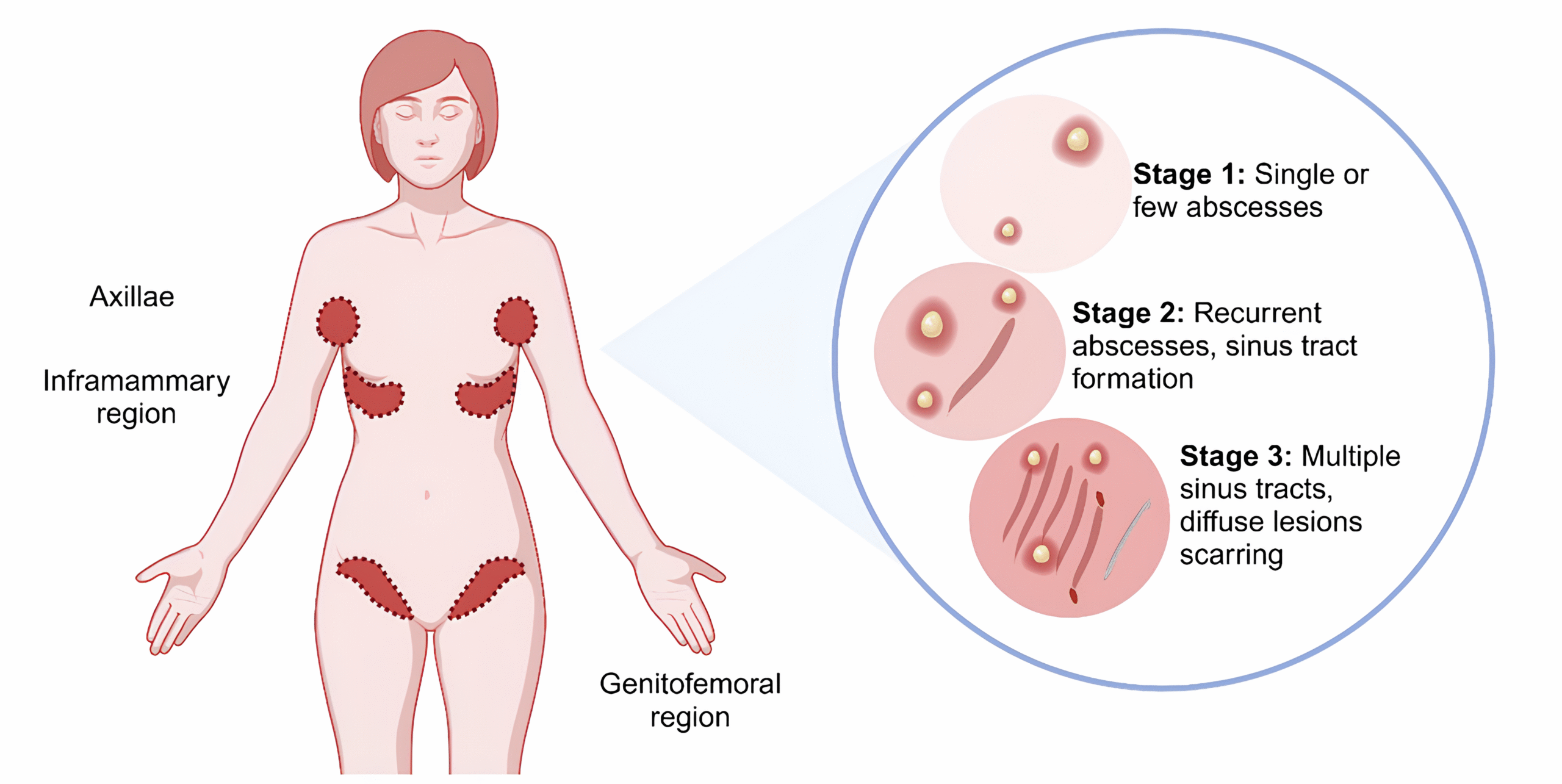

My name is Jaap, and I am a biomedical scientist that also used to live with severe Hidradenitis Suppurativa, the kind that takes over your life. Today, I am completely asymptomatic because I learned how to heal Hidradenitis Suppurativa from within. More importantly, I’ve had the privilege of helping many other individuals with HS get their lives back, too.
Introduction: Is Your Gut the Missing Piece in Your HS Puzzle?
If you’re living with Hidradenitis Suppurativa (HS), you know the frustration. The painful lesions, the unpredictable flares, the feeling that your body is betraying you, it’s a heavy burden to carry. For years, we’ve been told HS is a skin disease, a problem of blocked hair follicles. But what if that’s only part of the story? What if the real battleground, the source of the inflammatory fire, lies deeper within, specifically, in your gut?
The idea of a gut-skin axis, a connection between the health of our digestive system and the health of our skin, has been gaining incredible momentum in the scientific community. It’s a concept we explore deeply within HS Arma because it resonates so strongly with what many of us have experienced. Now, a new research study by Dr. Edyta Lelonek and her colleagues adds another crucial piece to this puzzle, specifically looking at the gut microbiome, the trillions of bacteria living in our digestive tract, in people with HS [1].
Today, we’re going to dive into this fascinating research together. We’ll unpack what the scientists found, explore what it means for understanding what is hidradenitis suppurativa, and discuss how these insights provide powerful validation for a natural, root-cause approach focused on healing from the inside out. This isn’t just about bacteria; it’s about understanding your body on a deeper level and finding the path to lasting remission.
More Than Skin Deep: Why Gut Health Matters for Hidradenitis Suppurativa
Let’s get one thing straight: HS isn’t just a collection of painful boils. It is a chronic, systemic inflammatory disease. The lesions you see and feel are the smoke alarms, signaling a deeper, body-wide “fire” of inflammation and immune dysregulation. This is why HS is often linked to other inflammatory conditions like inflammatory bowel disease (IBD) and metabolic syndrome.
Where does the gut fit in? Our gut microbiome is like a bustling metropolis inside us. When it’s balanced and diverse, it plays a crucial role in regulating our immune system, keeping inflammation in check, and maintaining the integrity of our gut lining. But when this ecosystem gets disrupted, a state called dysbiosis, it can lead to trouble. An imbalanced gut can contribute to a leaky gut, allowing bacterial components like lipopolysaccharide (LPS) to enter the bloodstream, triggering systemic inflammation. It can also mean fewer beneficial bacteria producing anti-inflammatory compounds like short-chain fatty acids (SCFAs).
This systemic inflammation, fueled in part by gut dysbiosis, is the “fire” that can manifest as HS flares on the skin. Understanding this connection is crucial if we truly want to find an effective, long-term hidradenitis suppurativa treatment.
What Did the Scientists Find? A Look Inside the HS Gut Microbiome
Dr. Lelonek and her team set out to investigate the specific correlations between the gut microbiome and HS [1]. They recruited 80 participants: 40 patients diagnosed with HS and 40 healthy controls matched for age and sex [1]. Using questionnaires, they gathered detailed information on demographics, HS severity, diet, lifestyle, and gut symptoms [1]. Then, they used advanced 16S rRNA sequencing technology to analyze the bacterial DNA in fecal samples from each participant, essentially taking a census of their gut microbes [1]. Importantly, they used statistical methods to account for potential confounding factors like Body Mass Index (BMI) and smoking status, which are known to influence both HS and the gut microbiome [1].
Diversity – Similar Crowds, Different Faces?
One of the first things researchers often look at is microbial diversity, essentially, how many different types of bacteria are present (richness) and how evenly distributed they are (evenness). Think of it like comparing two cities: do they have a similar number of different neighborhoods, and are the populations spread out similarly?
Surprisingly, the study found no statistically significant difference in the overall alpha diversity (measured by the Shannon index and observed richness) between the HS patients and the healthy controls, even after adjusting for BMI and smoking [1]. Figure 1 visually represents this lack of difference in the Shannon diversity index.
A Proven natural Roadmap to Manage HS
Get the support and natural strategies you need for lasting relief and join a community that understands.
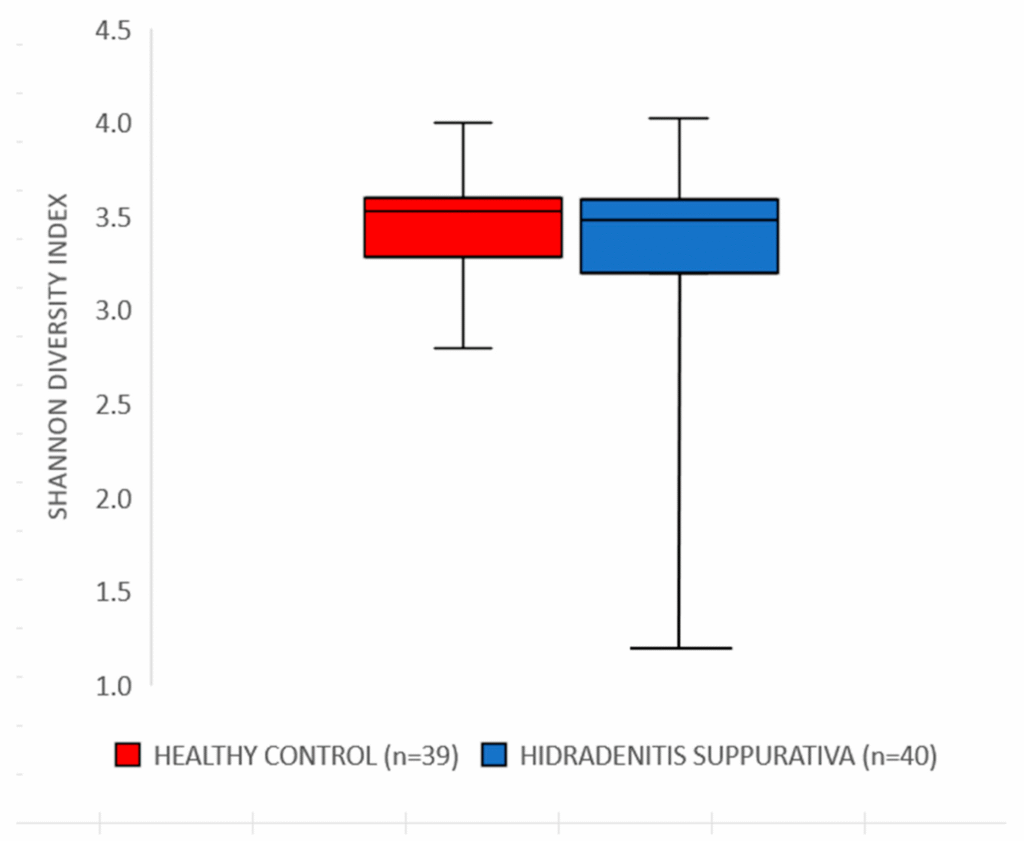
Figure 1: By Dr. Edyta Lelonek and colleagues [1].
- The Science: This box plot compares the Shannon diversity index, a measure of microbial diversity (considering both the number of species and their relative abundance), between healthy controls (n=39, red box) and Hidradenitis Suppurativa patients (n=40, blue box). The boxes show the middle 50% of the data, the line inside is the median, and the “whiskers” extend to the minimum and maximum values within a certain range. The analysis found no statistically significant difference between the two groups (p=0.346).
- What This Means For You: This graph shows that, on average, the overall variety and balance of bacteria in the gut were similar between people with HS and healthy individuals in this study. This might seem counterintuitive, as we often associate inflammatory diseases with lower gut diversity. However, this doesn’t mean there aren’t important differences. It suggests that the types of bacteria present, rather than just the overall diversity, might be more crucial in HS.
The researchers also looked at beta diversity, which compares the overall community composition between groups. Again, after accounting for BMI and smoking, they found no statistically significant separation between the HS and control microbiomes [1]. This suggests that while HS might not drastically alter the overall structure of the gut microbial community compared to controls (when considering factors like BMI), specific members within that community might be playing crucial roles.
The Shifting Populations: Which Bacteria Are Different in HS?
This is where the findings get really interesting. Even though the overall diversity was similar, the study found significant differences in the presence or absence (occurrence) of specific bacterial groups when comparing HS patients to healthy controls, after adjusting for BMI and smoking [1].
Bacteria Less Likely in HS:
The study found that HS was associated with significantly lower odds of detecting several bacterial groups, including [1]:
- Collinsella
- Izemoplasmatales (an order)
- Clostridia UCG-014 (a genus within Clostridia)
- Lachnospiraceae UCG-004 and UCG-008 (genera within a family known for producing beneficial SCFAs)
- [Eubacterium] eligens group and [Eubacterium] xylanophilum group (genera often involved in fiber fermentation)
- Pseudoflavonifractor
Many of these bacteria belong to groups generally considered beneficial, involved in fermenting fiber and producing anti-inflammatory SCFAs like butyrate, which are crucial for gut health and immune balance. Their reduced presence in HS patients could signify a loss of these protective functions.
Bacteria More Likely in HS:
Conversely, HS significantly increased the odds of detecting other bacterial groups, including [1]:
- Enterorhabdus
- Senegalimassilia
- Gastranaerophilales (an order)
- Candidatus Stoquefichus
- Erysipelatoclostridiaceae (a family, sometimes linked to inflammation)
- Holdemanella
- Solobacterium
- Ruminiclostridium
- [Eubacterium] fissicatena group
- Angelakisella
- Comamonas
- Enterobacter (a genus containing opportunistic pathogens)
Some bacteria in this list belong to groups that can be pro-inflammatory or are considered opportunistic, meaning they can cause problems when the gut environment is disrupted. For example, increased Enterobacter and certain members of Erysipelatoclostridiaceae have been implicated in inflammatory conditions elsewhere. Figure 2 provides a visual comparison of the detection frequency for some of the most common genera identified.
A Proven natural Roadmap to Manage HS
Get the support and natural strategies you need for lasting relief and join a community that understands.
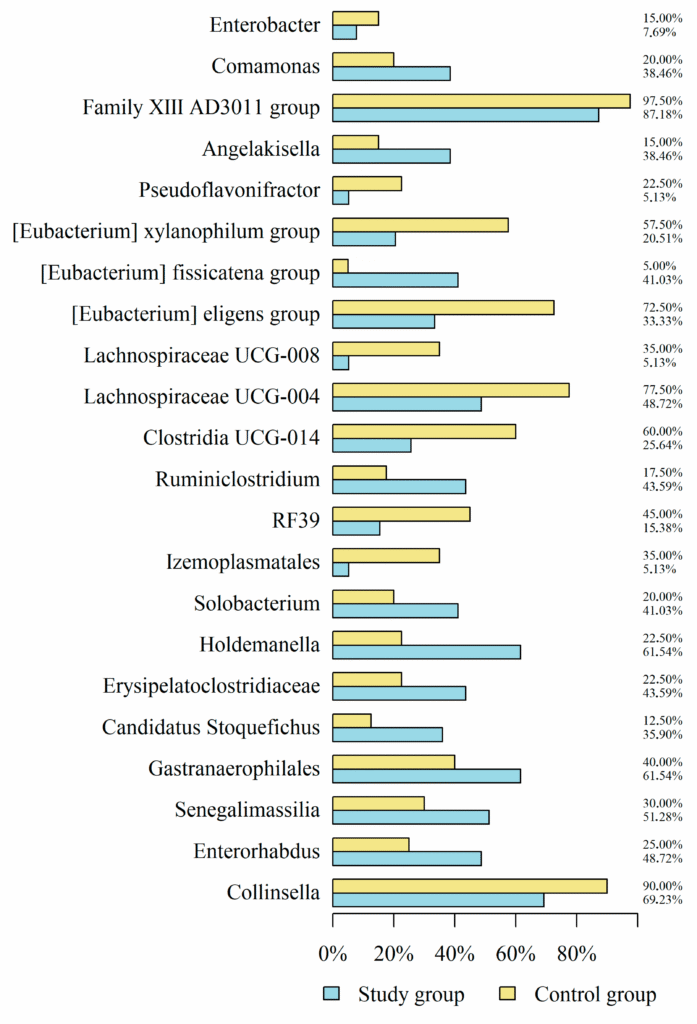
Figure 2: By Dr. Edyta Lelonek and colleagues [1].
- The Science: This bar chart shows the detection frequency (the percentage of individuals in whom the bacteria was found) for the 22 most common bacterial genera identified in the study group (HS patients, blue bars) and the control group (healthy individuals, yellow bars). The chart highlights differences in how often specific bacteria were present in each group. For example, Collinsella was detected in 90% of the HS group but only ~69% of the control group, whereas Enterobacter was found in 15% of the HS group but only ~8% of the control group (note: the text description 1 indicates Collinsella occurrence decreased with HS, suggesting potential discrepancies between the figure’s visual representation/labeling and the statistical findings reported in the text/tables, or that presence vs. statistically significant odds of occurrence tell different stories. The text description based on logistic regression adjusted for confounders is likely more reliable).
- What This Means For You: This chart visually suggests differences in the bacterial populations between the HS and control groups. Even if overall diversity is similar (Figure 1), the specific types of bacteria present, and how common they are, can vary. This points towards a specific imbalance (dysbiosis) in HS, with certain potentially beneficial bacteria being less common and some potentially problematic ones being more common. Addressing this specific imbalance through diet and lifestyle is a key strategy in the natural treatment of HS.
The study also looked at differences at a higher taxonomic level (Order) and found that the abundance (not just occurrence) of Desulfovibrionales and Clostridia was significantly increased, while Opitutales was significantly decreased in HS patients [1]. Desulfovibrionales, like Desulfovibrio, produce hydrogen sulfide, which can be inflammatory in excess.
A Proven natural Roadmap to Manage HS
Get the support and natural strategies you need for lasting relief and join a community that understands.
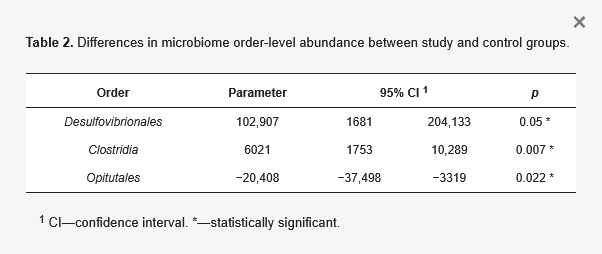
Table 2: By Dr. Edyta Lelonek and colleagues [1].
- The Science: This table shows the results of a regression analysis looking at the influence of having HS on the abundance (amount) of specific bacterial Orders, presented as a regression parameter, its 95% confidence interval (CI), and a p-value. A statistically significant p-value (marked with *) indicates that HS had a significant impact on the abundance of that bacterial order. HS was associated with a significant increase in Desulfovibrionales and Clostridia abundance and a significant decrease in Opitutales abundance.
- What This Means For You: Beyond just whether a bacteria is present or not (Figure 2), this table shows that HS can significantly change the amount of certain larger bacterial groups. The increase in Desulfovibrionales (which includes sulfur-reducing bacteria that can sometimes be pro-inflammatory) and Clostridia, alongside a decrease in Opitutales, further highlights specific shifts in the gut ecosystem associated with HS.
Connecting the Dots: Severity, BMI, and Quality of Life
The researchers didn’t stop at comparing HS patients to controls. They also looked within the HS group to see if gut bacteria correlated with disease characteristics.
- Disease Severity: Using logistic regression, they found that Hurley stage (a measure of HS severity) significantly increased the odds of occurrence for four specific genera: Chloroplast, Dielma, Eisenbergiella, and Paludicola [1]. This suggests a potential link between the gut microbiome and how severe the disease becomes.
A Proven natural Roadmap to Manage HS
Get the support and natural strategies you need for lasting relief and join a community that understands.
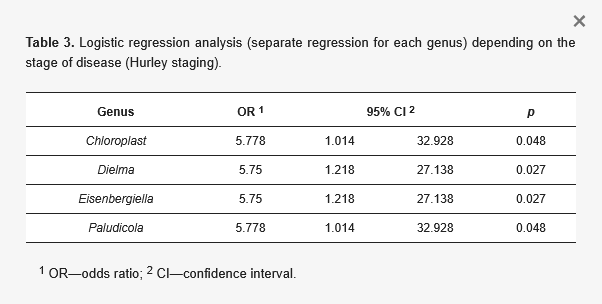
Table 3: By Dr. Edyta Lelonek and colleagues [1].
- The Science: This table presents the results of logistic regression analyses examining the influence of HS disease severity (based on Hurley staging) on the odds of specific bacterial genera being present. The Odds Ratio (OR) indicates how much the odds of a genus occurring change with increased severity. An OR greater than 1 suggests increased odds with higher severity. For Chloroplast, Dielma, Eisenbergiella, and Paludicola, the OR was significantly greater than 1 (around 5.75), indicating that more severe HS (higher Hurley stage) significantly increased the likelihood of these bacteria being present in the gut.
- What This Means For You: This finding connects the gut microbiome directly to how severe your HS is. While the specific roles of these particular bacteria in HS aren’t fully known, this correlation suggests that as HS progresses, specific changes may occur in the gut environment, or vice-versa. It reinforces the idea that managing gut health could be important for managing HS severity.
- Body Mass Index (BMI): BMI had a substantial impact within the HS group. Higher BMI was linked to reduced odds for a wide range of bacteria (including Enterorhabdus, Senegalimassilia, Gastranaerophilales, Desulfovibrio, Holdemanella, Ruminiclostridium, Comamonas) but increased odds for others (Merdibacter, Lactobacillus, Gemella, Dialister, Veillonella) [1]. This highlights the complex interplay between weight, gut bacteria, and HS.
A Proven natural Roadmap to Manage HS
Get the support and natural strategies you need for lasting relief and join a community that understands.
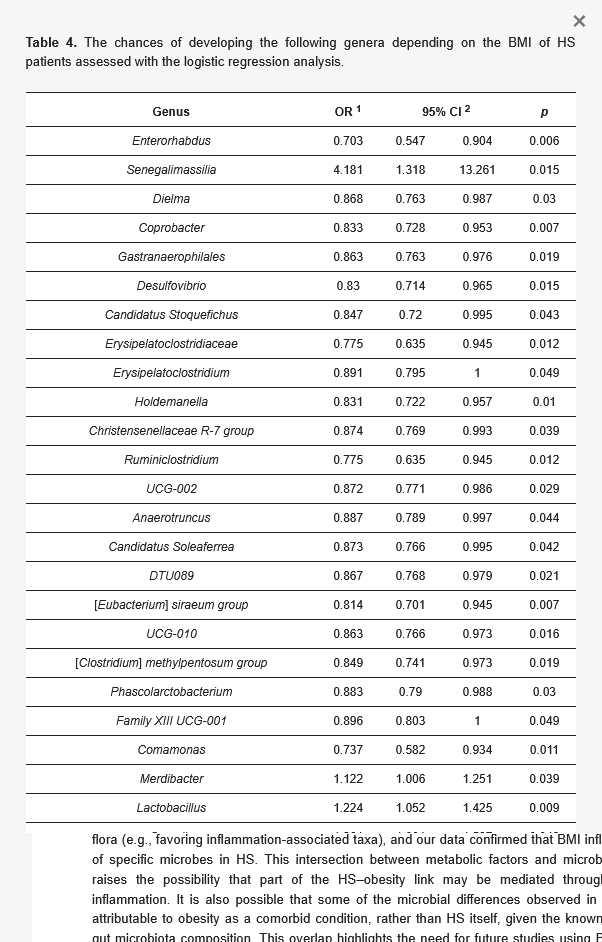
Table 4: By Dr. Edyta Lelonek and colleagues [1].
- The Science: This table shows the results of logistic regression analyses within the HS patient group, looking at how BMI affects the odds of specific bacterial genera occurring. An Odds Ratio (OR) less than 1 means higher BMI decreases the odds, while an OR greater than 1 means higher BMI increases the odds. Higher BMI significantly decreased the odds for many genera listed (e.g., Enterorhabdus, Senegalimassilia, Coprobacter, Gastranaerophilales, Desulfovibrio, Holdemanella, Ruminiclostridium, Comamonas). Conversely, higher BMI significantly increased the odds for Merdibacter, Lactobacillus, Gemella, and Dialister.
- What This Means For You: This table clearly shows that body weight influences the gut microbiome specifically in people with HS (and differently than in healthy controls, as noted elsewhere in the paper). Since obesity is a known risk factor and often co-occurs with HS, this finding highlights a potential pathway through which weight impacts the disease – via alterations in gut bacteria. It underscores the importance of addressing metabolic health as part of a holistic hidradenitis suppurativa treatment plan.
- Quality of Life: The Dermatology Life Quality Index (DLQI) score also showed correlations. Higher scores (worse quality of life) were associated with decreased odds of Agathobacter and [Eubacterium] eligens group, but increased odds of Comamonas [1]. This hints that the gut microbiome might even influence the symptomatic burden and impact of HS on daily life.
The Knowledge Gap: Correlation vs. Causation & The Missing “Why”
This study provides valuable insights, confirming that the gut microbiome in HS patients is different in specific ways compared to healthy individuals, even when accounting for important factors like BMI and smoking. It observes correlations between these gut microbial signatures and disease severity, BMI, and quality of life [1].
However, this is where we encounter the knowledge gap often present in conventional research and clinical practice. This study, being cross-sectional, shows us associations but cannot prove causation [1]. Did the HS cause the gut changes, or did the gut changes contribute to HS? Or is it a complex two-way street influenced by other factors like diet, stress, and genetics? The study observes the differences, it describes the “smoke”, but it doesn’t definitively identify the “fire” or provide a clear, actionable plan to put it out, beyond suggesting more research [1].
A conventional approach might look at the bacteria found more often in HS and suggest targeted antibiotics, or see the reduced beneficial bacteria and suggest a generic probiotic. While potentially helpful in some cases, this is still a downstream approach, trying to manipulate the microbial community without fully addressing why it became imbalanced in the first place. It’s like trying to constantly weed a garden without improving the soil quality, the weeds (problematic bacteria or lack of beneficial ones) will likely just keep coming back.
The HS Arma Philosophy: Healing the Gut to Heal the Skin
This is where the HS Arma philosophy offers a different, more empowering perspective. We see this research not just as an interesting observation, but as powerful validation for focusing on upstream, foundational healing. The specific alterations found in the HS gut microbiome, the decrease in potentially beneficial fiber-fermenters and SCFA producers, and the increase in potentially pro-inflammatory or opportunistic bacteria, point directly to the need to address the root causes that shape our gut ecosystem.
This study reinforces why our approach emphasizes:
- Foundational Nutrition: Identifying and removing personal inflammatory trigger foods (which can directly feed problematic bacteria or promote inflammation) and incorporating nutrient-dense, fiber-rich foods (which nourish beneficial bacteria and support SCFA production). This is about changing the “soil” of your gut garden.
- Strategic Lifestyle Changes: Managing chronic stress (which profoundly impacts gut health and immune function), optimizing sleep (crucial for gut barrier integrity and repair), and incorporating appropriate movement.
- Natural Therapies & Skincare: Using targeted, science-backed natural compounds and perhaps specific pre/probiotics (when appropriate and personalized) to support gut barrier function, reduce systemic inflammation, and help rebalance the microbiome, complementing the internal work with external skin support.
- Accountability & Support: Navigating these changes requires guidance and community.
- Targeted Medical Testing: Sometimes needed to pinpoint specific gut issues (like SIBO or infections) that require focused intervention.
This research, showing distinct gut microbial patterns in HS, provides a biological rationale for why these foundational strategies are so critical. By addressing the systemic inflammation (the “fire”) through these holistic means, we aim to create an internal environment where a healthy, balanced gut microbiome can thrive, thereby removing a major potential contributor to HS flares. We aren’t just chasing the bacterial smoke; we are working to extinguish the inflammatory fire at its source.
Key Takeaways
- HS Gut Microbiome is Different: While overall diversity might seem similar, specific types of gut bacteria are significantly more or less common in HS patients compared to healthy controls, even after accounting for BMI and smoking.
- A Shift Towards Imbalance: HS is associated with reduced occurrence of potentially beneficial bacteria (like Lachnospiraceae) and increased occurrence of potentially problematic ones (like Enterobacter, Erysipelatoclostridiaceae).
- Gut Bacteria Link to HS Features: Specific gut microbes correlate with disease severity (Hurley stage), BMI within the HS group, and quality of life scores.
- Validates the Gut-Skin Axis: This research provides further evidence supporting the connection between gut health and HS, reinforcing that HS is a systemic inflammatory disease.
- Supports a Root-Cause Approach: The findings highlight the importance of addressing gut health through foundational strategies like diet and lifestyle (natural treatment of HS) to tackle the underlying inflammation, rather than just managing symptoms.
Conclusion: Your Gut Holds Clues to Healing
This study by Lelonek and colleagues is an important contribution, adding to the growing body of evidence linking the gut microbiome to Hidradenitis Suppurativa [1]. It moves us beyond simply calling HS an inflammatory skin disease and points towards the intricate, systemic nature of the condition, where our internal microbial ecosystem plays a potentially significant role.
While more research is needed to unravel the exact cause-and-effect relationships, this knowledge is incredibly empowering. It tells us that focusing on our gut health isn’t just a side project; it’s a central part of a comprehensive strategy for managing and potentially achieving remission from HS. It validates the path of looking upstream to address the root causes of inflammation.
Can you cure HS? The journey involves understanding these complex connections and using that knowledge to make informed, foundational changes. By focusing on nourishing your gut, calming systemic inflammation, and building your body’s resilience from the inside out, you are not just managing symptoms, you are actively creating the conditions for lasting healing.
Reference
[1] Lelonek, E.; Krajewski, P.K.; Szepietowski, J.C. Gut Microbiome Correlations in Hidradenitis Suppurativa Patients. J. Clin. Med. 2025, 14, 5074. https://doi.org/10.3390/jcm14145074
Important Medical Disclaimer
1. Not Medical Advice: All content and information on this website is for informational and educational purposes only. It does not constitute medical advice and is not a substitute for professional diagnosis, treatment, or consultation with a qualified healthcare provider.
2. My Role and Qualifications: I am a biomedical scientist and PhD candidate and share information from that perspective, combined with my personal experience as a patient with Hidradenitis Suppurativa. However, I am not a medical doctor, physician, or registered healthcare professional. Do not consider our relationship a doctor-patient relationship.
3. Consult Your Doctor: Always seek the advice of your medical doctor or another qualified health professional with any questions you may have regarding a medical condition. Never disregard professional medical advice or delay seeking it because of something you have read on this website. If you suspect you are experiencing a medical emergency, or a severe infection, do not rely on this website or the HS Arma community, please call your local emergency services or go to the nearest emergency room immediately.
4. A Critical Warning on Medication: Pharmaceutical drugs are a crucial tool in managing Hidradenitis Suppurativa for many people. Under absolutely no circumstances should you ever alter, reduce, or stop taking your prescribed medication without the explicit direction of the doctor who prescribed it. Doing so can be dangerous. Always consult with your doctor before doing anything related to your treatment plan.
5. No Liability: Your use of this website and reliance on any information provided is solely at your own risk.
6. Individual Results May Vary: Every patient’s biological baseline, genetics, and adherence to the protocol is different. Therefore, I cannot guarantee specific results, cures, or timelines for your Hidradenitis Suppurativa.
7. Scientific and Expressive Freedom: The articles published on this blog are distinct from formal peer-reviewed academic literature. They serve as an independent platform for my personal viewpoints, scientific hypotheses, and philosophical reflections as an independent scientist and HS patient. While grounded in biomedical research, I exercise a degree of expressive freedom to translate rigid academic data into insights from a patient perspective. These writings are my personal meditations on the science of HS and should be read as my individual perspective, not as universally accepted clinical consensus or formal peer-reviewed literature.