

My name is Jaap, and I am a biomedical scientist that also used to live with severe Hidradenitis Suppurativa, the kind that takes over your life. Today, I am completely asymptomatic because I learned how to heal Hidradenitis Suppurativa from within. More importantly, I’ve had the privilege of helping many other individuals with HS get their lives back, too.
Introduction: The Challenge of Axillary HS and the Search for Surgical Solutions
If you battle Hidradenitis Suppurativa (HS) in your armpits (the axilla), you know the unique challenges it brings. Beyond the deep, recurring pain and draining lesions, the location itself makes movement difficult and can severely impact daily life. When medical options fail or the disease progresses, wide surgical excision, removing all the affected tissue, is often presented as the most definitive option to prevent recurrence. But this leaves a significant wound in a sensitive, mobile area. How do surgeons close that gap without compromising shoulder function or leading to long, painful healing?
Finding better surgical techniques is crucial for managing the devastating damage caused by advanced HS. Recently, I came across an interesting international study looking at a specific technique called the Keystone Perforator Island Advancement Flap as an option for closing these difficult axillary wounds after HS excision [1]. It caught my eye because, as a scientist and someone who has navigated severe HS, I appreciate innovations that aim to improve patient outcomes, even within the conventional framework.
Today, let’s explore what this study found about the keystone flap for hidradenitis suppurativa surgery in the armpit. We’ll look at the technique, its outcomes, and how it compares to other methods. But more importantly, we’ll place this surgical advancement into the bigger picture. We’ll discuss why, even with the best surgical techniques, we must look beyond the operating room and focus on the root cause of the inflammation, the internal fire, if we truly want to understand how to treat Hidradenitis Suppurativa for lasting remission.
Closing the Gap: What is the Keystone Flap?
When surgeons perform a wide excision for severe hidradenitis suppurativa armpit disease, they remove all the hair-bearing skin, tunnels, and inflamed tissue, aiming for a cure in that specific area. This often leaves a large defect. While options like skin grafts exist, they can lead to scarring that restricts movement. Local flaps, which use nearby skin and tissue rotated or advanced into the defect, often provide better functional outcomes.
The Keystone Perforator Island Advancement Flap is one type of local flap. As described in the study by Dr. Timea H. Virag, Dr. Geoffrey G. Hallock, and colleagues, the idea is to design a flap, haped somewhat like an architectural keystone—in the mobile tissue adjacent to the axillary defect (usually on the torso below the armpit). This flap maintains its blood supply through small, unnamed blood vessels (perforators) coming up from underneath. The surgeons carefully cut around the flap and undermine it just enough to allow it to slide (advance) into the armpit defect without tension, relying on multiple perforators for robust blood flow.
The potential advantage? Compared to other complex perforator flaps like the TDAP flap (Thoracodorsal Artery Perforator flap), the keystone flap is described as simpler and quicker because surgeons don’t need to meticulously identify and dissect a single, specific blood vessel. It leverages the rich blood supply often present in the torso, especially in individuals with more adipose tissue, which is common in the HS population.
What the Study Found: A Transatlantic Experience
The researchers prospectively followed 23 patients (with 27 total flaps, as some had bilateral disease) treated with this technique between 2019 and 2024 at centers in Romania and the United States. They looked at patient demographics, disease severity (Hurley stage), flap success, complications, and recovery time.
Key findings included:
- Patient Profile: Similar across both countries, patients were mostly female (around 78%), middle-aged (average 40), and often obese (around 35%). Most had not had prior major surgeries besides incision and drainage.
- Disease Stage: While many patients had severe Hurley Stage III disease, a significant number (over a third overall) were Stage II, suggesting the surgery was sometimes chosen earlier for definitive treatment.
- Flap Success: Crucially, there were no cases of flap necrosis (tissue death), indicating the technique provided reliable blood supply. All flaps survived completely.
- Complications: Complications were relatively common (around 44% overall) but considered minor. The most frequent issue by far was dehiscence (wound separation) along the “lesser curvature” – the edge of the flap closest to the armpit crease, where movement creates the most tension. This happened in about 26% of cases overall but was managed with local wound care. No secondary surgeries were needed to manage complications.
- Recovery: Full, unrestricted shoulder mobility was achieved, but it took time – an average of 3.5 months in Romania and 4.4 months in the United States. Patients who experienced dehiscence naturally had a longer recovery.
- Recurrence: No disease recurrences were noted within the average follow-up period of 4 months.
The researchers concluded that the keystone flap is a safe, rapid, and simple option for axillary HS closure with a straightforward learning curve.
A Proven natural Roadmap to Manage HS
Get the support and natural strategies you need for lasting relief and join a community that understands.
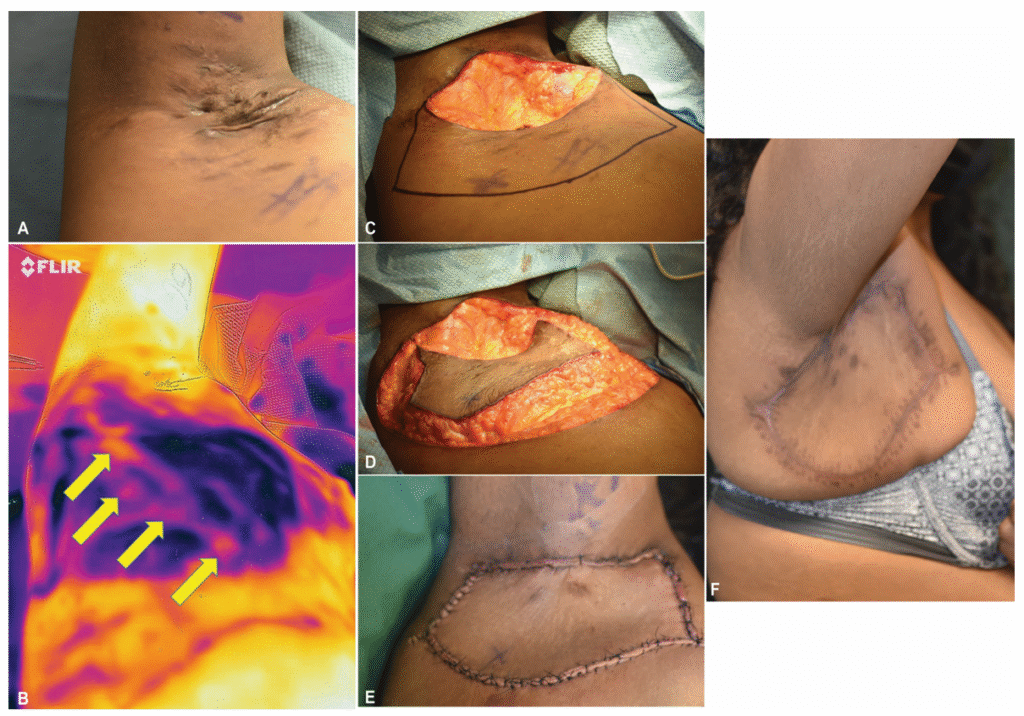
(Figure 1 shows an example of the Keystone flap procedure and outcome from the study)
Figure 1: Stages of Axillary Keystone Flap Surgery for HS. Figure 1. by Dr. Virag, Dr. Hallock and colleagues.
- The Scientific Breakdown: These panels illustrate the keystone flap procedure for Hurley stage III axillary HS.
- (A) Shows the preoperative appearance of chronic HS.
- (B) A thermal image identifying perforator “hotspots” (arrows) below the diseased area.
- (C) The defect after wide excision, with the keystone flap designed inferiorly, incorporating the hotspots.
- (D) The flap elevated, showing the preserved tissue underneath.
- (E) The flap inset and sutured into the axillary defect.
- (F) The functional outcome at 4 months, showing good healing and unrestricted arm elevation, with the typical scarring pattern of the flap.
- What This Means For You: This sequence visually demonstrates the keystone technique. It shows how surgeons can use nearby tissue to close the large wound left after removing severe HS disease in the armpit. The goal is to achieve healing while preserving shoulder movement, although significant scarring is involved. The thermal imaging (B) highlights the reliance on underlying blood vessels, even if they aren’t individually dissected. While successful here, it underscores the complexity and potential for complications like wound separation (dehiscence) during healing.
The “Knowledge Gap”: Surgery Manages Damage, But Doesn’t Stop the Fire
This research is valuable. Improving surgical techniques is important for those suffering from the advanced stages of HS, where tissue damage is extensive. Dr. Virag, Dr. Hallock, and their team should be thanked for sharing their experience and contributing to better reconstructive options. Techniques like the keystone flap offer a potentially simpler way to manage the devastating aftermath of chronic inflammation, aiming for faster healing and better function compared to older methods or healing by secondary intention.
However, this is where we encounter the crucial knowledge gap inherent in much of the conventional approach to HS. The focus is entirely “downstream,” dealing with the consequences after the fire of inflammation has already raged and caused destruction. Surgery, no matter how sophisticated, is like rebuilding the part of the house that burned down. It doesn’t address the faulty wiring or the arsonist that started the fire in the first place.
The study mentions factors like obesity and smoking, acknowledging their association with HS. But the broader conventional medical advice rarely provides a deep, actionable roadmap for extinguishing the systemic, body-wide inflammation that is the true root cause of why the lesions form, recur, and progress to the point where such drastic surgery is even considered.
The HS Arma Philosophy: Putting Out the Fire First
This is where the HS Arma philosophy offers a different, more fundamental path. We view the painful lesions, tunnels, and resulting tissue damage as the smoke and the smoke alarm, urgent signals of a deeper problem. Conventional treatments, including surgery and medications like antibiotics or biologics, are powerful tools for managing the smoke or silencing the alarm. They can be necessary, life-saving temporary shields when the fire is out of control.
But our primary focus at HS Arma is different. We believe the main hidradenitis suppurativa treatment must be about finding and extinguishing the “fire” itself, the underlying systemic inflammation and immune dysregulation. We focus on highly effective evidence-based nutrition and lifestyle change, and natural therapies and practices.
- Foundational Nutrition: Identifying your personal inflammatory food triggers and flooding your body with anti-inflammatory nutrients stops providing fuel for the fire.
- Strategic Lifestyle Changes: Managing stress, optimizing sleep, and addressing factors like smoking directly impacts the signaling pathways that drive inflammation.
- Natural Therapies & Skincare: Using targeted, science-backed compounds and protocols helps calm the immune system and support skin healing from both inside and out.
This research into surgical techniques like the keystone flap is important for those already facing extensive damage. But our ultimate goal in the HS Arma community is to help individuals put out the fire so effectively that the smoke alarms go silent on their own, and the need for interventions like surgery becomes less likely, or ideally, completely unnecessary. We aim to prevent the progression to Hurley Stage III, where such procedures are contemplated. Healing HS is about restoring balance to the entire system, not just reconstructing the damaged parts.
A Proven natural Roadmap to Manage HS
Get the support and natural strategies you need for lasting relief and join a community that understands.
Key Takeaways
- Axillary HS Surgery is Complex: Wide excision is sometimes needed for severe HS in the armpit, and closing the resulting defect while preserving shoulder function is challenging.
- The Keystone Flap is a Viable Option: This study suggests the keystone flap is a relatively simple, quick, and reliable surgical technique for axillary closure after HS excision, with good functional outcomes despite potential minor complications like wound separation.
- Surgery Addresses Damage, Not Cause: Even the best surgical techniques manage the consequences of HS inflammation (damaged tissue) but do not address the underlying systemic immune dysregulation (the fire). Recurrence is always a risk if the root cause isn’t managed.
- Focus on the Fire: True, lasting healing and prevention of severe disease progression comes from an “inside-out” approach focused on identifying and removing the triggers of systemic inflammation through foundational nutrition, lifestyle changes, and natural therapies.
Conclusion: Hope Beyond the Operating Room
Innovations in hidradenitis suppurativa surgery, like the keystone flap explored in this study, are welcome advancements for individuals dealing with the severe physical consequences of advanced HS. They offer hope for better functional outcomes and potentially simpler procedures compared to older techniques. We should appreciate the surgeons working to improve these necessary interventions.
However, we must never lose sight of the bigger picture. Surgery is a reaction to the damage caused by the inflammatory fire; it is not a cure for the fire itself. The ultimate path to freedom from HS, the path to potentially avoiding such surgeries altogether, lies in addressing the root cause. It lies in understanding that HS is a systemic disease reflecting an internal imbalance.
By embracing a foundational, natural approach focused on diet, lifestyle, and targeted natural therapies, you can begin the work of putting out that internal fire. Healing is possible. Achieving lasting remission, where your body is no longer at war with itself, is possible. It requires knowledge, commitment, and often support, but it starts with the understanding that the most powerful solutions lie not just on the operating table, but within your own daily choices.
A Proven natural Roadmap to Manage HS
Get the support and natural strategies you need for lasting relief and join a community that understands.
Reference
- [1] Virag, T. H., Hallock, G. G., Matei, I. R., & Georgescu, A. V. (2025). Keystone Perforator Island Advancement Flap as Another Option for Closure after Radical Excision of Axillary Hidradenitis Suppurativa. Archives of Plastic Surgery, 52(04), 211–216. https://doi.org/10.1055/a-2575-1211
Important Medical Disclaimer
1. Not Medical Advice: All content and information on this website is for informational and educational purposes only. It does not constitute medical advice and is not a substitute for professional diagnosis, treatment, or consultation with a qualified healthcare provider.
2. My Role and Qualifications: I am a biomedical scientist and PhD candidate and share information from that perspective, combined with my personal experience as a patient with Hidradenitis Suppurativa. However, I am not a medical doctor, physician, or registered healthcare professional. Do not consider our relationship a doctor-patient relationship.
3. Consult Your Doctor: Always seek the advice of your medical doctor or another qualified health professional with any questions you may have regarding a medical condition. Never disregard professional medical advice or delay seeking it because of something you have read on this website. If you suspect you are experiencing a medical emergency, or a severe infection, do not rely on this website or the HS Arma community, please call your local emergency services or go to the nearest emergency room immediately.
4. A Critical Warning on Medication: Pharmaceutical drugs are a crucial tool in managing Hidradenitis Suppurativa for many people. Under absolutely no circumstances should you ever alter, reduce, or stop taking your prescribed medication without the explicit direction of the doctor who prescribed it. Doing so can be dangerous. Always consult with your doctor before doing anything related to your treatment plan.
5. No Liability: Your use of this website and reliance on any information provided is solely at your own risk.
6. Individual Results May Vary: Every patient’s biological baseline, genetics, and adherence to the protocol is different. Therefore, I cannot guarantee specific results, cures, or timelines for your Hidradenitis Suppurativa.
7. Scientific and Expressive Freedom: The articles published on this blog are distinct from formal peer-reviewed academic literature. They serve as an independent platform for my personal viewpoints, scientific hypotheses, and philosophical reflections as an independent scientist and HS patient. While grounded in biomedical research, I exercise a degree of expressive freedom to translate rigid academic data into insights from a patient perspective. These writings are my personal meditations on the science of HS and should be read as my individual perspective, not as universally accepted clinical consensus or formal peer-reviewed literature.