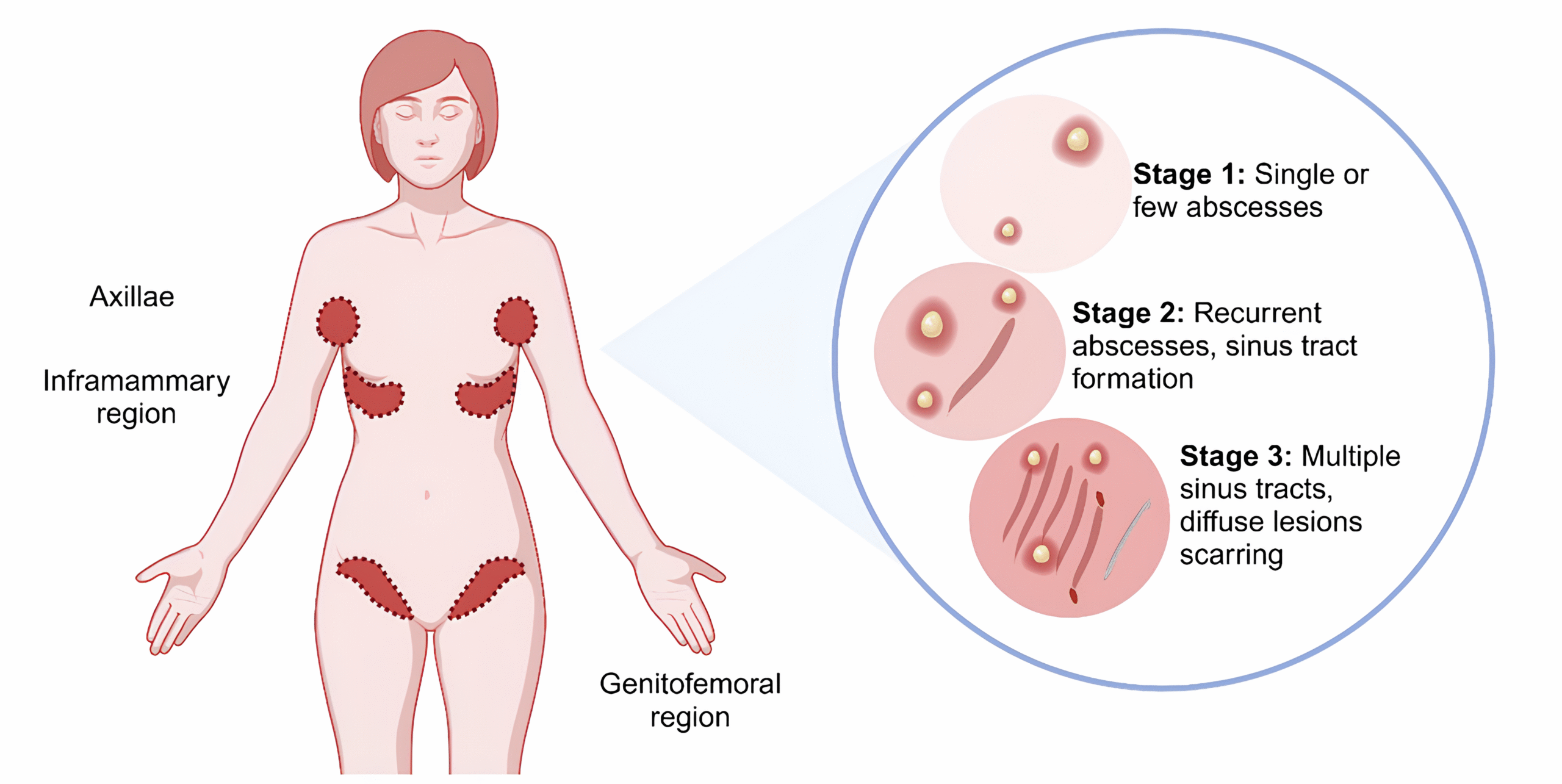

My name is Jaap, and I am a biomedical scientist that also used to live with severe Hidradenitis Suppurativa, the kind that takes over your life. Today, I am completely asymptomatic because I learned how to heal Hidradenitis Suppurativa from within. More importantly, I’ve had the privilege of helping many other individuals with HS get their lives back too.
A Proven natural Roadmap to Manage HS
Get the support and natural strategies you need for lasting relief and join a community that understands.

Unlocking the Secrets of the Immune System in HS
Have you ever felt like your body is at war with itself? If you have Hidradenitis Suppurativa (HS), that feeling is more than just a metaphor, it’s a daily reality. For years, we’ve been told HS is a mysterious skin disease, but what if the real battle is happening deeper within our immune system? A groundbreaking study is pulling back the curtain, giving us the most detailed map yet of the inflammatory chaos driving this disease. This research helps us understand how to treat Hidradenitis Suppurativa not just by managing symptoms, but by addressing the root cause. It shines a light on some unexpected soldiers in this war: B-cells and plasma cells.
For so long, the conversation around HS has felt incomplete. We talk about the pain, the lesions in our armpits and groin, and the frustration of treatments that don’t always work. But whyis this happening? What is the biological “story” behind our suffering? In this post, we’re going to dive deep into this incredible research, translate the complex science into plain English, and connect it back to what matters most: your healing journey. We’ll explore what these findings mean for the natural treatment of HS and how they validate the “inside-out” philosophy we support here at HS Arma.
Acknowledging the Scientific Trailblazers
First, I want to extend a huge thank you to Dr. Johann E. Gudjonsson and his extensive team of researchers for their work on this study, “Contribution of plasma cells and B cells to hidradenitis suppurativa pathogenesis“. They used powerful high-tech tools to analyze HS tissue at a molecular level, giving us an unprecedented look at the immune cells and signals that are out of balance. This kind of research is incredibly difficult and expensive, and it’s a crucial step toward finding better solutions.
They didn’t just look at one or two markers; they created a comprehensive atlas of the HS immune landscape. This is yet another incredibly valuable piece of information that we can fit in our HS Arma model to better understand hidradenitis suppurativa and how to treat it naturally and effectively.
A Proven natural Roadmap to Manage HS
Get the support and natural strategies you need for lasting relief and join a community that understands.

The Real Culprits: A Deeper Look at the Immune Mayhem in HS
For a long time, the focus in HS has been on T-cells and certain inflammatory proteins like TNF-alpha (which is what the biologic drug Adalimuma/Humira targets). These are definitely part of the story. But this research reveals that they aren’t the main characters.
The study shows that hidradenitis suppurativa skin is flooded with B-cells and a more mature version of them called plasma cells. In fact, plasma cells were the most dominant immune cell type found infiltrating the deep layers of HS skin.
Think of it like this: your immune system has different types of soldiers.
- T-cells are often the front-line infantry, directly attacking threats, but also activate B cells.
- B-cells are like the intelligence and weapons-manufacturing division. When they get activated, they can mature into plasma cells.
- Plasma cells are antibody factories. Their job is to pump out massive amounts of proteins called immunoglobulins (or antibodies) that are supposed to tag invaders for destruction.
A Proven natural Roadmap to Manage HS
Get the support and natural strategies you need for lasting relief and join a community that understands.
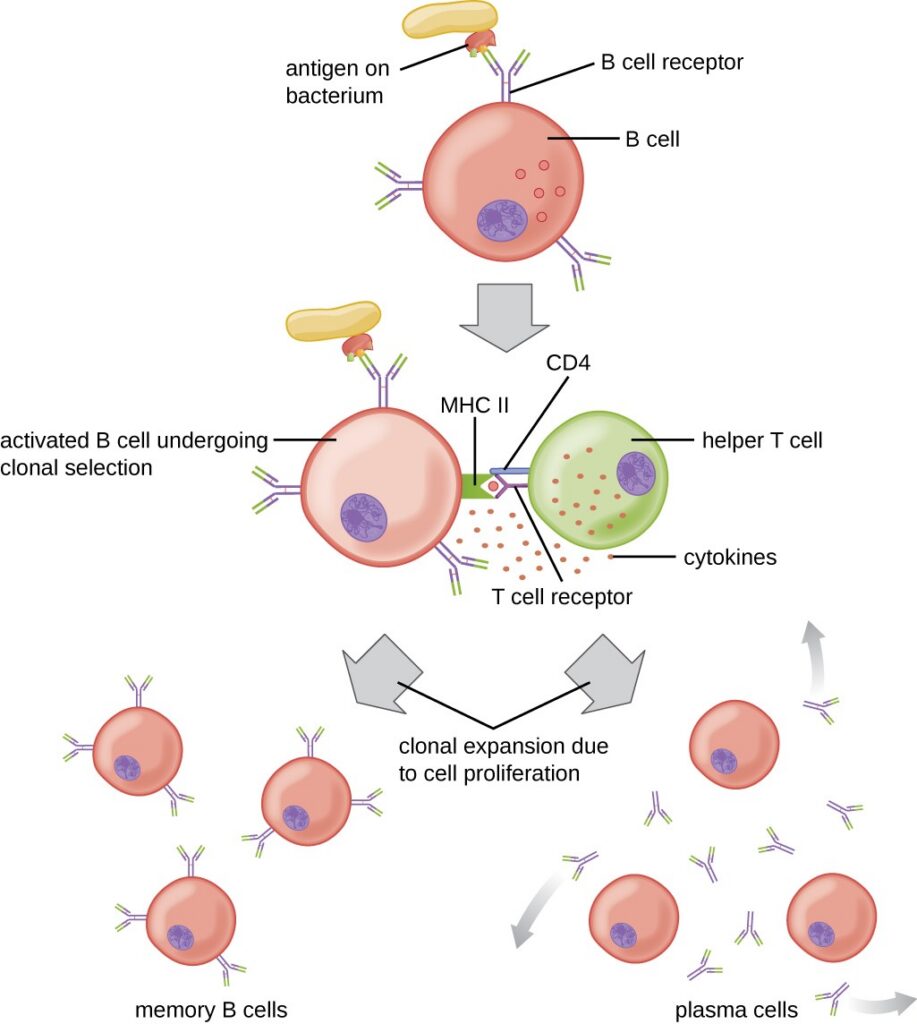
Figure 1. This diagram illustrates the activation of B cells and their differentiation into plasma cells and memory B cells. An antigen on a bacterium binds to a B cell receptor. The activated B cell then interacts with a helper T cell (a type of T cell) via MHC II and CD4, receiving cytokine signals. This interaction leads to clonal expansion, producing numerous memory B cells for long-term immunity and plasma cells that secrete antibodies. Illustration from free OpenStax Textbook at https://openstax.org/books/microbiology/pages/1-introduction
In a healthy immune system, this is a beautiful, coordinated defense. But in HS, this system has gone haywire. The research found that the B-cells in hidradenitis suppurativa skin were not only more numerous but also more diverse and activated, leading to a massive overproduction of antibodies right where we don’t need them.
A Proven natural Roadmap to Manage HS
Get the support and natural strategies you need for lasting relief and join a community that understands.
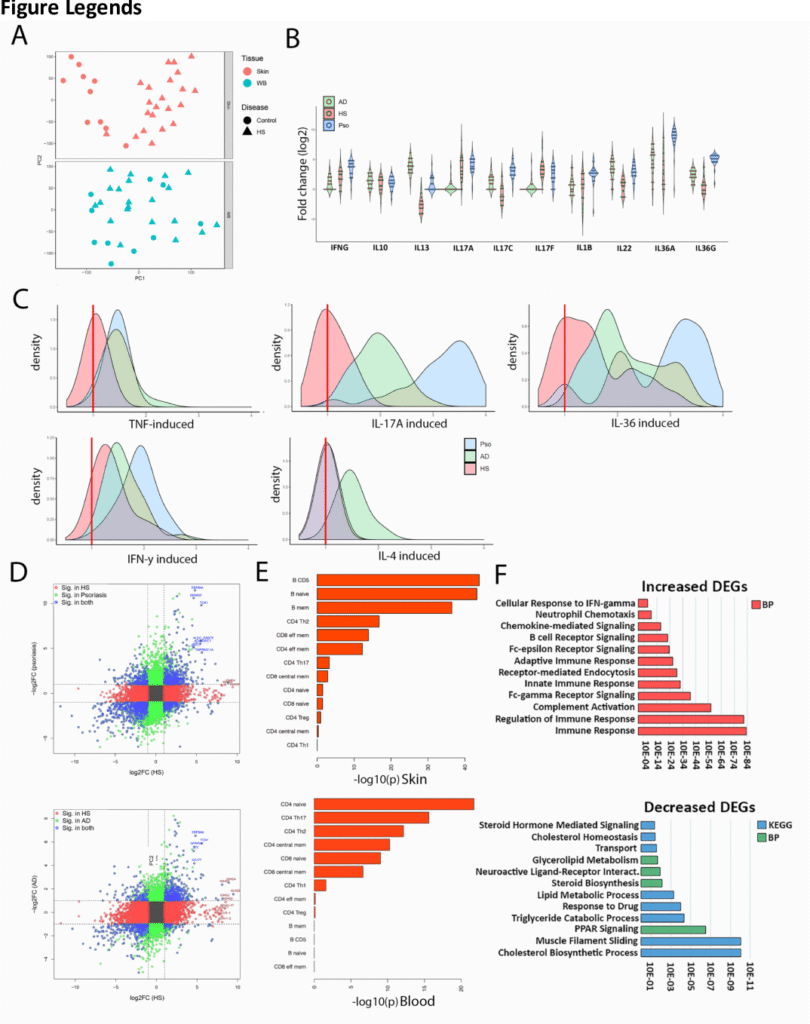
Figure 1 Legend: This figure provides a broad overview of the genetic “fingerprint” of HS. Gutjonssen et al.
Panel A uses a method called Principal Component Analysis (PCA) to show that the overall gene activity in HS skin (red triangles) is dramatically different from healthy control skin (red circles). In contrast, the gene activity in the blood is much more similar between groups, telling us the main battle is happening in the skin itself.
Panel B compares key inflammatory signals (cytokines) in HS to other skin diseases like psoriasis (Pso) and atopic dermatitis (AD). It shows that while HS has some inflammation in common with these diseases (like IL-17A), its overall profile is unique.
Panel C confirms this, showing that HS skin has strong signals for inflammation driven by IFN-γ and IL-36, but not a dominant IL-17A or IL-4 response like psoriasis or eczema.
Panel D is a powerful comparison. It plots thousands of genes, showing which ones are unique to HS (red dots) versus psoriasis or AD (green dots). The genes most uniquely and highly elevated in HS are related to immunoglobulins, the antibodies made by B-cells.
Panel E reinforces this, showing that the most enriched immune cell signature in HS skin is from B-cells, whereas in the blood, it’s more T-cell driven. Finally,
Panel F summarizes the biological processes that are switched “on” or “off” in HS skin. The “on” list is dominated by immune responses, especially “Complement Activation” and “B cell receptor signaling,” which are central to this story. The “off” list includes things like cholesterol and steroid production, suggesting a disruption in the skin’s normal metabolic functions.
A Proven natural Roadmap to Manage HS
Get the support and natural strategies you need for lasting relief and join a community that understands.

The Three-Act Tragedy: Antibodies, Complement, and Self-Attack
So, we have a flood of plasma cells pumping out antibodies in our skin. What happens next is a devastating chain reaction that this paper helps to clarify.
Act 1: Antibody Overload. The sheer volume of antibodies in the deep tissues is the first problem. These antibodies start clumping together, forming something called immune complexes.
Act 2: Sounding the Alarm with Complement. These immune complexes trigger another part of the immune system called the complement system. Think of the complement system as a set of dominoes or an alarm system. Once the first domino falls (triggered by the antibody clumps), it sets off a cascade that releases powerful inflammatory signals. This study found huge amounts of activated complement proteins (like C1q, C3b, and C4d) in HS skin, confirming this alarm is blaring nonstop.
Act 3: Calling in the Demolition Crew. The signals from the complement system are a major distress call, attracting other immune cells like neutrophils. This is what ultimately leads to the formation of the painful abscesses and tunnels we know all too well. It’s a vicious cycle of self-attack, fueled by our own immune system.
At HS Arma, our philosophy fundamentally diverges from the perspective of the study’s authors by focusing on the origin of the problem rather than its downstream effects. We recognize the crucial role of immune complexes depositing in the skin, which triggers a cascade of complement activation and neutrophil infiltration, leading to inflammation. However, while the paper’s authors investigate drugs to suppress this reaction after it has occurred in the tissue, we ask a more foundational question they don’t address: how can we prevent the antibodies and immune complexes from reaching the skin in the first place? We understand that this massive antibody production doesn’t come from nowhere; it is a direct response to specific environmental triggers. Therefore, our entire approach is centered on identifying and removing these root-cause triggers, believing it’s more logical to stop the initial production of these pathogenic antibodies than to perpetually and ineffectively drug the body to manage a inflammatory reaction while continuing exposure to the very things causing the disease. This low awareness and extremely damaging modern medical apraoch has so many problems I wont go into them in this blog but read more about this problem here.
A Proven natural Roadmap to Manage HS
Get the support and natural strategies you need for lasting relief and join a community that understands.
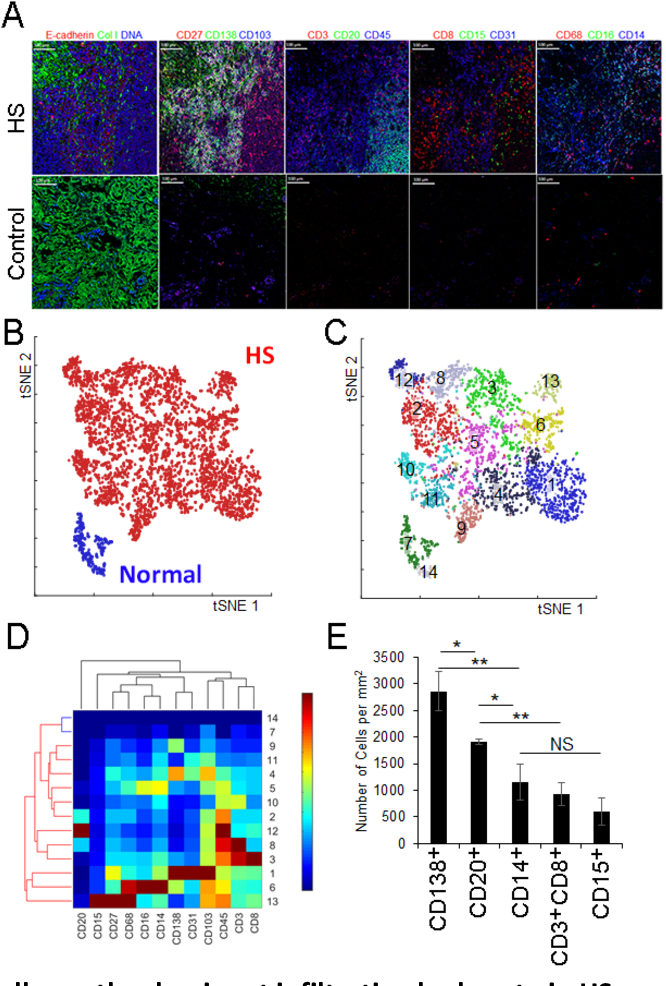
Figure 6 Legend: This figure uses a powerful imaging technique called CyTOF, which allows scientists to stain and see many different cell types in a single tissue sample. Gutjonssen et al.
Panel A shows this visually. The top row is HS skin, and you can see a dense crowd of various immune cells (stained with different colors like CD20 for B-cells and CD138 for plasma cells). The bottom row is normal skin, which is calm and mostly empty of these cells.
Panel B uses a computational tool (t-SNE) to group all the detected cells based on their characteristics. It shows a complete separation between the immune cells found in HS (red) and normal skin (blue), highlighting how different the cellular environment is. Panel C further divides the HS cells into 14 distinct clusters, showing the complexity of the immune infiltrate.
Panel D is a heatmap that identifies what each cluster is, based on the markers they express.
Panel E is the final, powerful summary. It quantifies the number of each cell type per square millimeter. The results are stunning: Plasma cells (CD138+) are by far the most abundant immune cell type, followed by B-cells (CD20+). This provides direct visual proof that the B-cell/plasma cell army is the dominant force in HS lesions.
A Proven natural Roadmap to Manage HS
Get the support and natural strategies you need for lasting relief and join a community that understands.
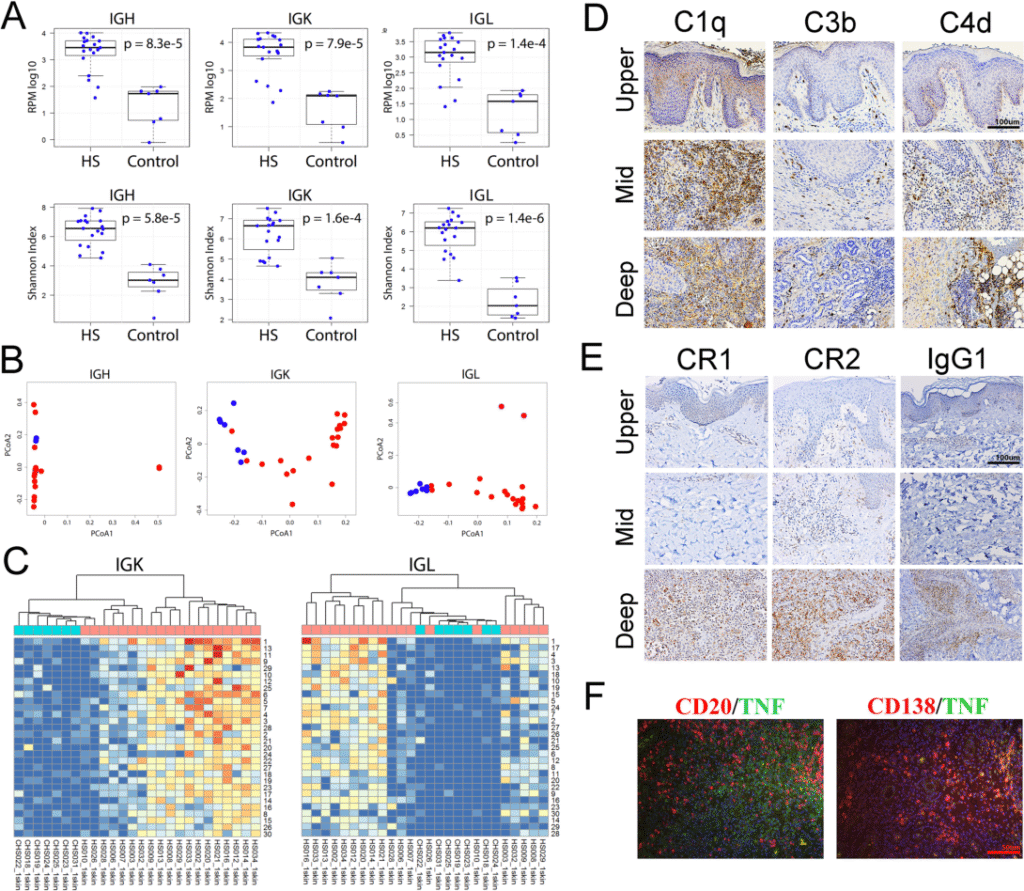
Figure 7 Legend: This figure dives deep into the function of the B-cells and the consequences of their activation. Gutjonssen et al.
Panel A shows that HS skin has significantly more B-cell receptor (BCR) genetic material (top row) and a much more diverse repertoire of these receptors (bottom row) compared to control skin. This means there are not only more B-cells, but they are more varied, suggesting a broad and chaotic immune response.
Panel B & C further confirm that the B-cell repertoire in HS is qualitatively different, separating HS patients (red) from controls (blue) based on the types of antibody light chains (IGK, IGL) they produce.
Panel D & E provide the visual evidence of the downstream consequences. Using staining, they show that HS skin, especially in the deeper layers, is full of activated complement proteins (C1q, C3b, C4d) and the receptors for them (CR1, CR2), alongside deposited antibodies (IgG1). This is the “smoking gun” of the complement alarm system being triggered.
Panel F is perhaps one of the most important findings for understanding current treatments. It shows that TNF, the inflammatory molecule targeted by drugs like Humira, is primarily being produced by plasma cells (CD138+), not B-cells (CD20+). This tells us that plasma cells are the key factories for this major inflammatory signal.

The Knowledge Gap: Why is This Happening?
This is where we connect this brilliant research to the HS Arma philosophy. The paper does an excellent job identifying what is happening and even suggests potential new drug targets—molecules called BTK and SYK that are involved in activating B-cells. This is the conventional medical perspective: identify a broken pathway and find a drug to block it.
And let’s be clear: these drugs could be powerful and necessary tools for many. They would be a “temporary shield” to calm the storm, and that can be life-saving.
But the paper doesn’t—and isn’t designed to, answer the most important question: Why are the B-cells and plasma cells going rogue in the first place?
This is the “knowledge gap.” Focusing only on blocking the out-of-control B-cells is like focusing on the smoke alarm without asking what’s causing the fire. At HS Arma, our philosophy is to reverse this. We believe the focus must be on putting out the underlying inflammatory fire. When you do that, the B-cells naturally stand down because there’s no perceived threat to react to. This is how we treat HS naturally and sustainably.
The systemic, body-wide inflammation caused by bad lifestyle choices, dietary triggers, gut health issues, chronic stress, poor sleep, and environmental toxins is the “fire.” The B-cell and plasma cell activation is the smoke. Pharmaceuticals can help clear the smoke, but our work is to find and extinguish the flames. This is a core principle we put into practice every day in the HS Armor community.
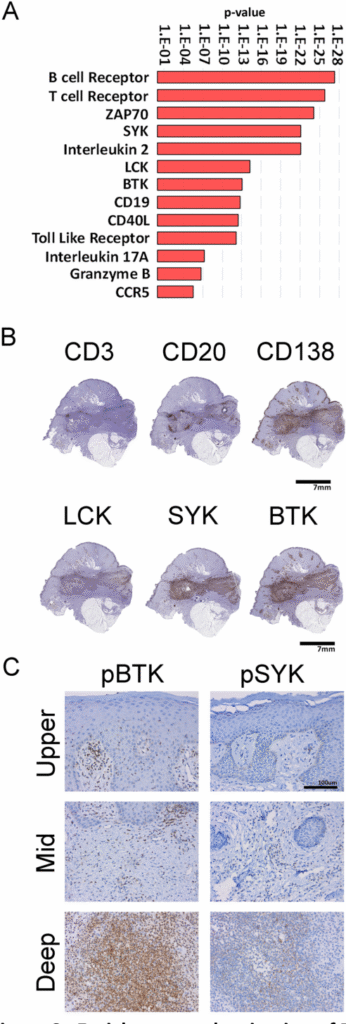
Figure 8 Legend: This figure identifies the internal “on switches” inside the B-cells and plasma cells. Gutjonssen et al.
Panel A shows a list of signaling pathways that are highly active in HS skin. At the very top of the list are “B cell Receptor” and “T cell Receptor” signaling. This confirms that these immune cells are receiving strong “go” signals.
Panel B shows stained images of a whole HS lesion. You can see the distribution of T-cells (CD3), B-cells (CD20), and plasma cells (CD138). Below that, it shows that the key signaling molecules for B-cell activation (LCK, SYK, and BTK) are lit up in the same areas where the B-cells and plasma cells are concentrated.
Panel C provides the final piece of proof. It specifically stains for the activated forms of BTK and SYK (phospho-BTK and phospho-SYK). The brown staining shows that these pathways are indeed switched on, especially in the deep, dense areas of inflammation. This confirms that these internal switches are flipped “on,” driving the B-cell and plasma cell response.
A Proven natural Roadmap to Manage HS
Get the support and natural strategies you need for lasting relief and join a community that understands.

Figure 9 Legend: This figure connects all the genetic data into a network and explores potential therapeutic solutions from a conventional perspective. Gutjonssen et al.
Panel A is a complex network map showing how hundreds of dysregulated genes in HS are connected. You can see central “hubs” like STAT1, SYK, and BTK, confirming their importance in orchestrating the overall inflammatory response. The colors indicate whether a gene’s activity is increased (red/orange) or decreased (green).
Panel B shows the results of a lab experiment. The researchers took healthy B-cells, activated them (to mimic HS), and then treated them with experimental drugs that block BTK (acalabrutinib, ibrutinib) or SYK (fostamatinib). The plots show that the BTK inhibitors were very effective at reversing many of the gene changes seen in HS skin. Genes that are “Up in HS Skin” (red dots) were brought down by the drug, and genes “Down in HS Skin” (blue dots) were brought up. This provides the preclinical evidence that these drugs could be a future treatment for HS.
A Proven natural Roadmap to Manage HS
Get the support and natural strategies you need for lasting relief and join a community that understands.

Building Your HS Armor: From Science to Action
So, can you cure HS? While cure is a tricky word, achieving lasting remission is absolutely possible. This research doesn’t just point to new drugs; it validates our entire approach. It shows us why our foundational work is so critical.
The goal is to calm the immune system so it stops sending the B-cells into a frenzy. We build our defenses, layer by layer:
- Foundational Nutrition: Removing inflammatory triggers from your diet is the fastest way to reduce the “threat” signals that activate B-cells.
- Strategic Lifestyle Changes: Managing stress and prioritizing sleep helps regulate the immune system, telling it to stand down from high alert.
- Natural Therapies & Skincare: Using targeted, science-backed natural compounds can help reduce inflammation systemically, soothing the overactive immune response from the inside out.
Seeing how these changes have helped so many in our community really brings this research to life. We are essentially doing the foundational work that makes the activation of pathways like BTK and SYK less likely to happen in the first place. We aim to build such a strong foundation of health that these powerful drugs and surgeries become less necessary, or ideally, completely unnecessary.
Key Takeaways
For those who like to skim, here are the most important points:
- HS is a B-Cell and Plasma Cell-Driven Disease: Groundbreaking research shows that these antibody-producing cells are the dominant immune players in HS lesions, not just T-cells.
- It’s a Three-Step Problem: 1) Over-active plasma cells produce too many antibodies. 2) These antibodies trigger the “complement” alarm system. 3) This alarm calls in other cells that create abscesses and inflammation.
- TNF is Made by Plasma Cells: The main inflammatory protein targeted by current biologic drugs (TNF) is produced primarily by the plasma cells identified in this study.
- The Root Cause is Still Key: While new drugs may target these cells, the most powerful long-term strategy is to address the underlying, systemic inflammation that is causing the B-cells to overreact in the first place. This is the path to lasting remission.
A Proven natural Roadmap to Manage HS
Get the support and natural strategies you need for lasting relief and join a community that understands.

The Path Forward is Clear and Hopeful
This research is more than just data; it’s a new chapter in our understanding of Hidradenitis Suppurativa. It confirms that HS is a deep, systemic immune disease. It validates the need to look beyond just skin-level symptoms and focus on calming the entire immune system.
The path to healing is not about finding one magic bullet. It’s about understanding the why behind the disease and systematically removing the triggers that fuel the fire. This science empowers us. It shows us that by making deliberate, evidence-based choices in our diet and lifestyle, we can directly influence these complex biological pathways and guide our bodies back to a state of balance. Healing is possible, and now, we understand the science behind it better than ever before. Read more about the HS Armor model here.
A Proven natural Roadmap to Manage HS
Get the support and natural strategies you need for lasting relief and join a community that understands.

References
- Gudjonsson, J. E., Tsoi, L. C., Ma, F., Billi, A. C., van Straalen, K. R., Vossen, A. R. J. V., … & Prens, E. P. (2020). Contribution of plasma cells and B cells to hidradenitis suppurativa pathogenesis. JCI insight, 5(19).
Important Medical Disclaimer
1. Not Medical Advice: All content and information on this website is for informational and educational purposes only. It does not constitute medical advice and is not a substitute for professional diagnosis, treatment, or consultation with a qualified healthcare provider.
2. My Role and Qualifications: I am a biomedical scientist and PhD candidate and share information from that perspective, combined with my personal experience as a patient with Hidradenitis Suppurativa. However, I am not a medical doctor, physician, or registered healthcare professional. Do not consider our relationship a doctor-patient relationship.
3. Consult Your Doctor: Always seek the advice of your medical doctor or another qualified health professional with any questions you may have regarding a medical condition. Never disregard professional medical advice or delay seeking it because of something you have read on this website. If you suspect you are experiencing a medical emergency, or a severe infection, do not rely on this website or the HS Armor community, please call your local emergency services or go to the nearest emergency room immediately.
4. A Critical Warning on Medication: Pharmaceutical drugs are a crucial tool in managing Hidradenitis Suppurativa for many people. Under absolutely no circumstances should you ever alter, reduce, or stop taking your prescribed medication without the explicit direction of the doctor who prescribed it. Doing so can be dangerous. Always consult with your doctor before doing anything related to your treatment plan.
5. No Liability: Your use of this website and reliance on any information provided is solely at your own risk.
6. Individual Results May Vary: Every patient’s biological baseline, genetics, and adherence to the protocol is different. Therefore, I cannot guarantee specific results, cures, or timelines for your Hidradenitis Suppurativa.
7. Scientific and Expressive Freedom: The articles published on this blog are distinct from formal peer-reviewed academic literature. They serve as an independent platform for my personal viewpoints, scientific hypotheses, and philosophical reflections as an independent scientist and HS patient. While grounded in biomedical research, I exercise a degree of expressive freedom to translate rigid academic data into insights from a patient perspective. These writings are my personal meditations on the science of HS and should be read as my individual perspective, not as universally accepted clinical consensus or formal peer-reviewed literature.